Get 6% OFF Discount & 300 LiPoints for first registration.
No worries! We’ll send you an email to help you reset your password.
LiTime accounts have been upgraded. For the security of your account, please update your password.
Enter the verification code sent to {{ email }}. If you didn’t receive it, please check the spam or junk folder.
A password reset link has been sent to {{ email }}. Please check your email and follow the instructions to reset your password.
This invitation link has expired,
Please contact customer support for a new one.
Total: $0.00


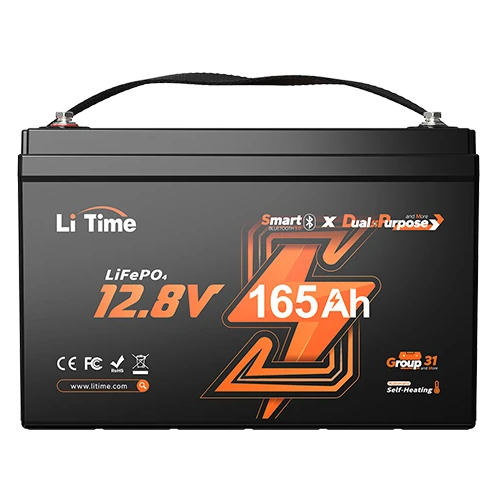
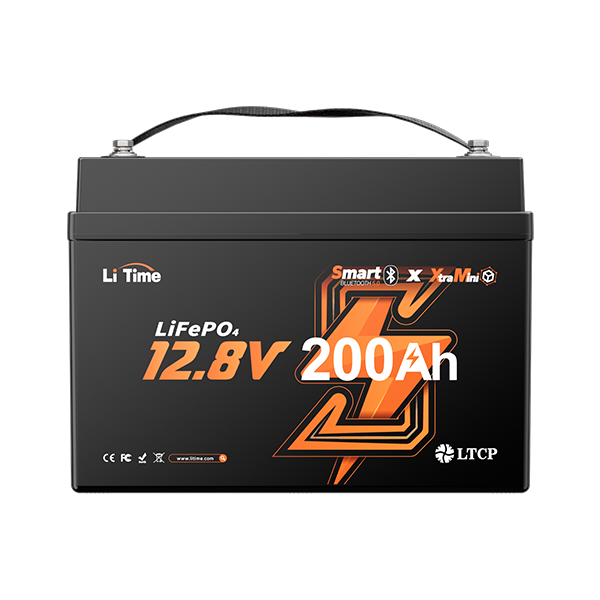
LiTime mini pack big LiFePO4 power into a small lithium ion battery case—little batteries options for tight RV, camping & marine installs, with Bluetooth 5.0 and low-temp protection. Shop mini batteries today!

LiTime mini pack big LiFePO4 power into a small lithium ion battery case—little batteries options for tight RV, camping & marine installs, with Bluetooth 5.0 and low-temp protection. Shop mini batteries today!
Yes—LiTime small lithium ion batteries are designed with built-in BMS protections, and many models add low-temp charging protection for safer use.
LiTime mini line uses LiFePO4 (a thermally stable lithium chemistry) plus a smart BMS, and some mini models stop charging in freezing conditions to help prevent damage—key safety features for a lithium ion battery small enough for tight installs.
Sizes vary by model—from ultra-compact Group 22NF up to Group 31 in the mini lineup.
Example: the Xtra-Mini Group 22NF is 9.02×5.43×8.19 in, while a mini Group 31 option is listed at 13×6.77×8.5 in—so you can pick a LiTime ithium ion small battery that fits your battery box.
Typically 4,000+ cycles (and up to 15,000 cycles at lighter use) with an advertised ~10-year everyday-use lifespan (model/usage dependent).
For example, LiTime’s 12V 100Ah mini lists 4,000+ cycles at 100% DoD, higher cycle counts at shallower DoD, and a 5-year warranty—all strong indicators of long-term durability for small lithium ion batteries.
Generally yes—if you buy reputable units and use them correctly; cheap/counterfeit power banks are the bigger risk.
Look for products built/tested to recognized safety standards (e.g., lithium battery safety standards like IEC 62133), avoid damaged/swollen packs, and prevent shorts. For flights, power banks must go in carry-on, not checked bags.