Get 6% OFF Discount & 300 LiPoints for first registration.
No worries! We’ll send you an email to help you reset your password.
LiTime accounts have been upgraded. For the security of your account, please update your password.
Enter the verification code sent to {{ email }}. If you didn’t receive it, please check the spam or junk folder.
A password reset link has been sent to {{ email }}. Please check your email and follow the instructions to reset your password.
This invitation link has expired,
Please contact customer support for a new one.
Total: $0.00


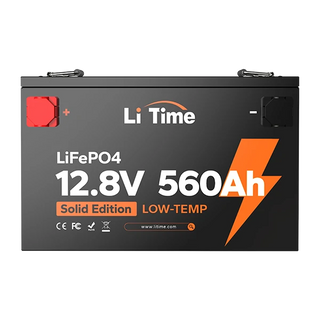
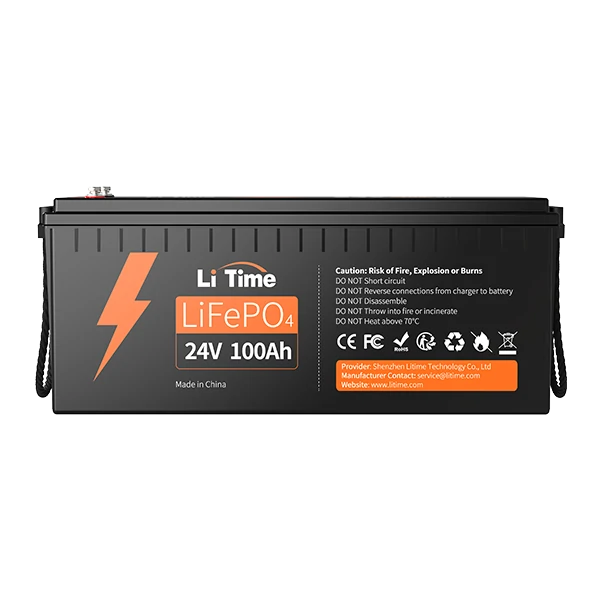
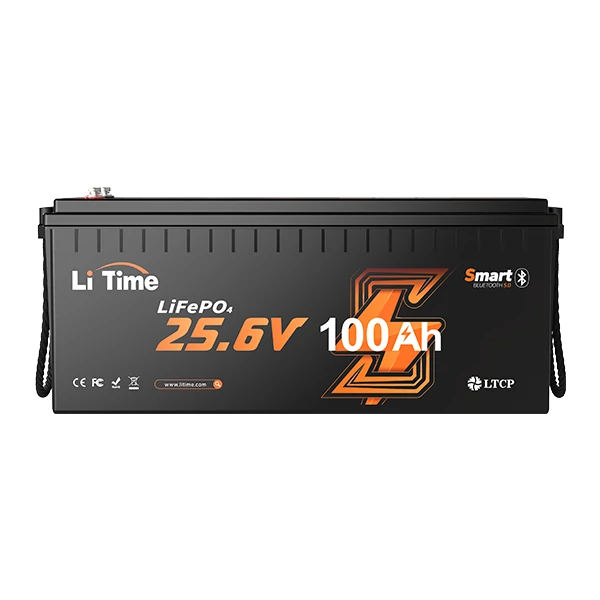
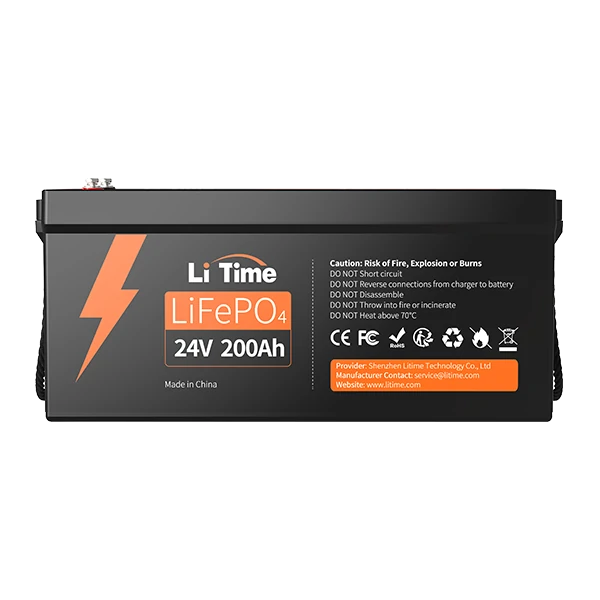
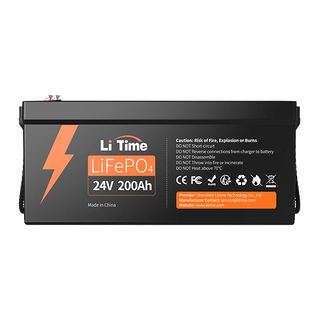
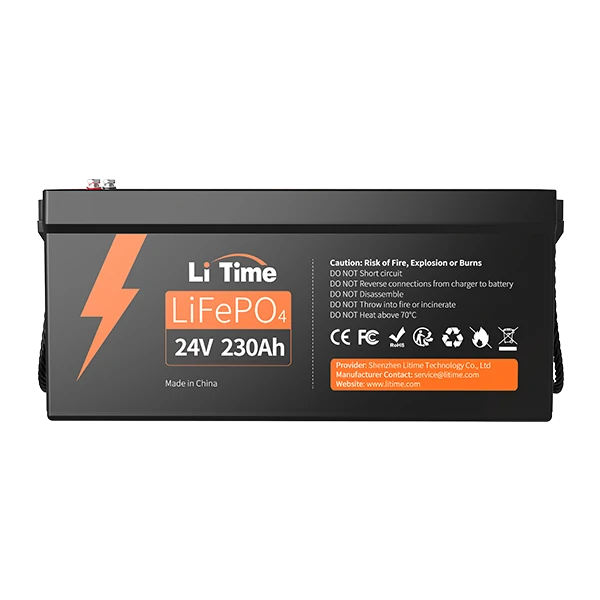
For most solar setups, a LiFePO4 off grid battery is the best choice—especially if you want long life, steady voltage, and high usable capacity. LiTime’s LiFePO4 chemistry and built-in BMS protections make a strong off grid power option for daily cycling.
Size your bank by daily energy use (kWh/day) and how many “no-sun” days you want.
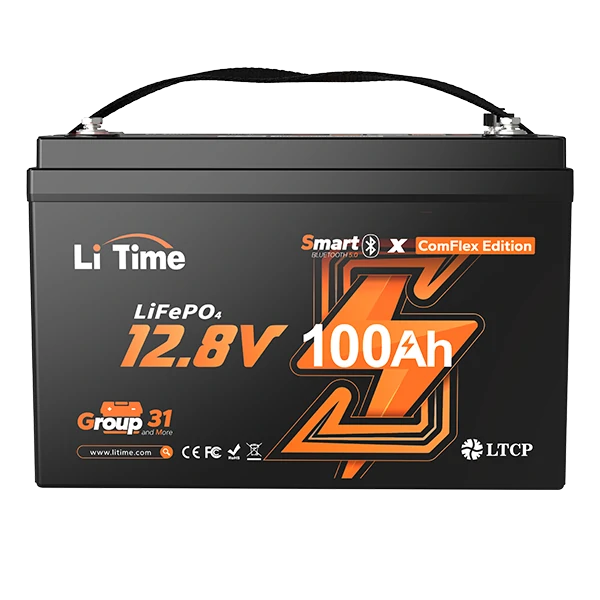
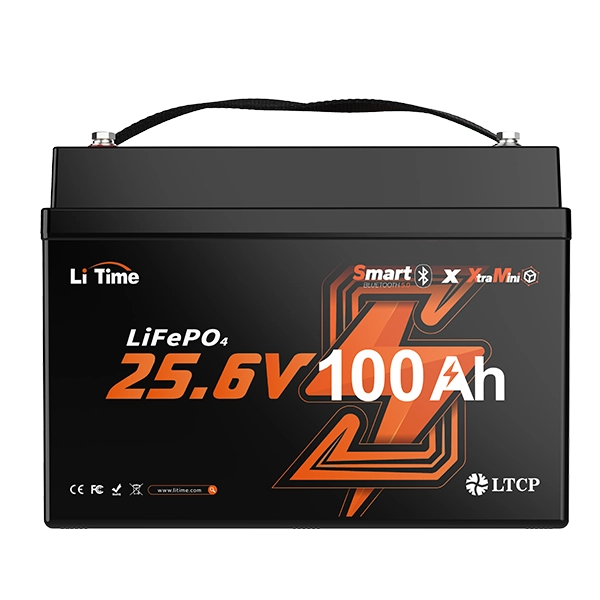
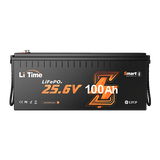
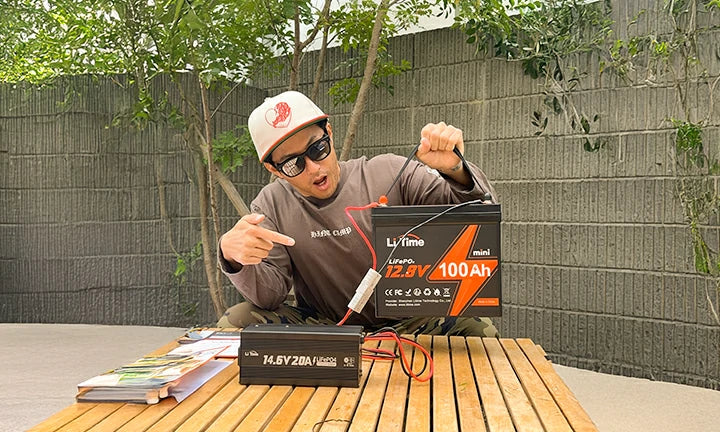
A practical way: Battery kWh = (daily kWh × autonomy days) ÷ usable DoD ÷ system losses. As a concrete LiTime lithium battery example, a 12V 100Ah battery is rated around 1280Wh (1.28kWh), so multiple units are stacked to reach your target kWh.
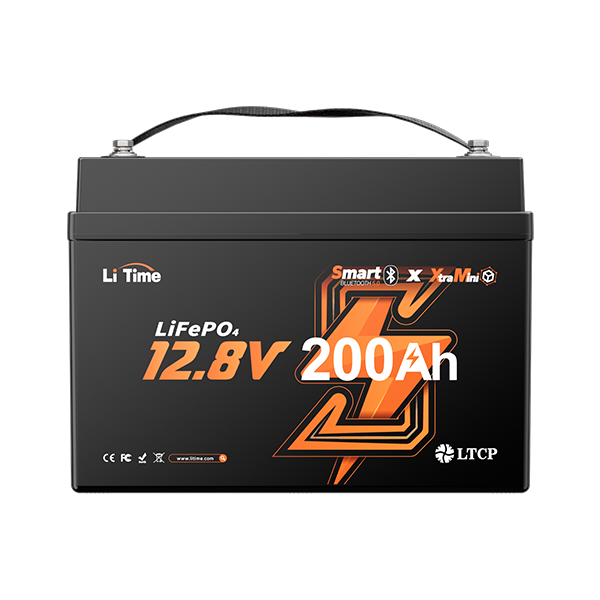
To build higher-voltage systems, LiTime indicates some 12V models can be configured up to 4 in series for 48V, and certain 100Ah minis support expansion up to 4S4P (20.48kWh) (model-dependent).
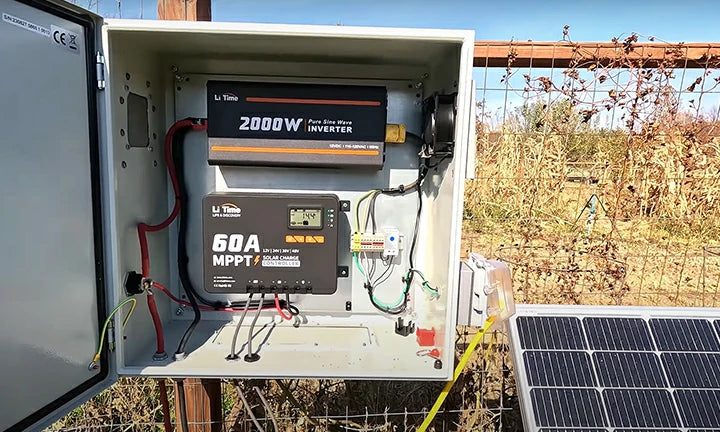
Your solar charge controller will taper/stop charging to prevent overcharge; extra solar energy simply isn’t stored unless you add a diversion load.
LiTime battery’s BMS works alongside the charge controller to protect the pack—once SOC reaches 100%, charging current is reduced or cut to keep the battery safe.
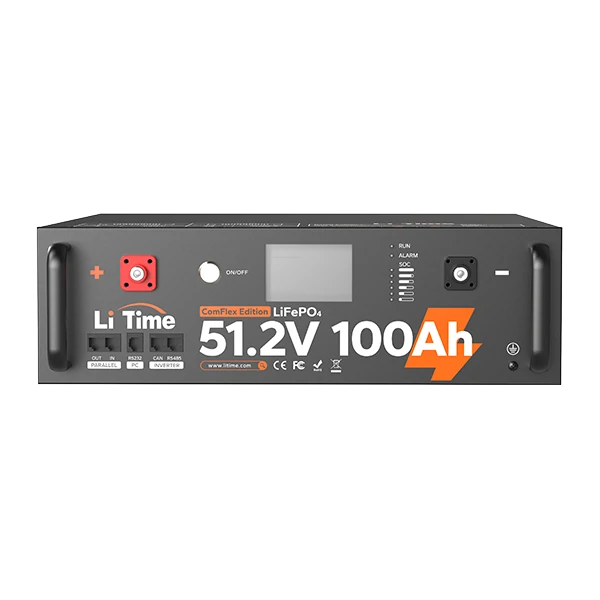
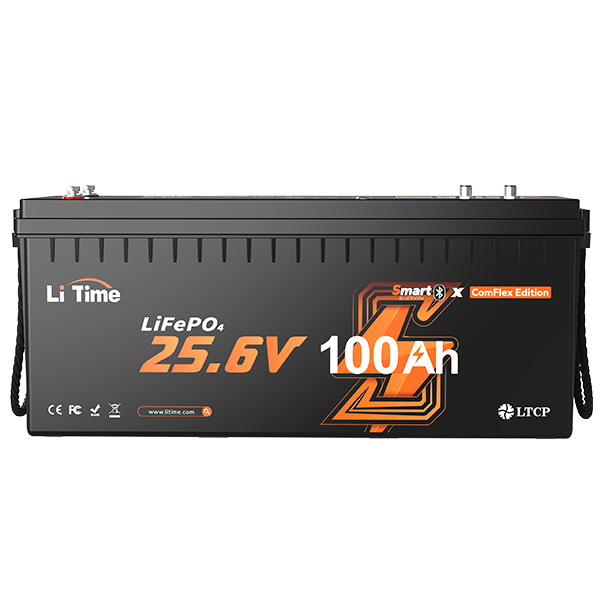
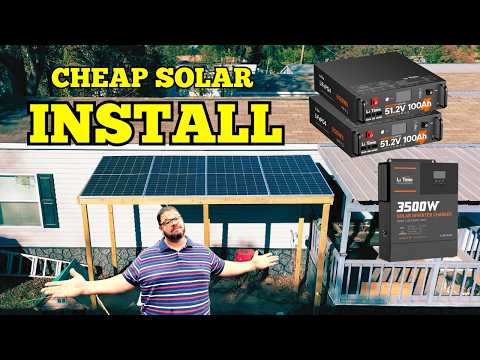
A 48V 100Ah off-grid battery holds about 4.8 kWh (48×100). LiTime’s 48V-class rack battery is 51.2V 100Ah = 5120Wh (~5.12 kWh), so real runtimes are in that same range.
Estimate runtime with hours ≈ (battery Wh ÷ load W), then subtract ~10–20% for inverter/usable capacity.Examples (using ~4.8–5.12 kWh total energy):
・100W load: ~48–51h theoretical → ~38–46h typical
・500W load: ~9.6–10.2h theoretical → ~7.5–9h typical
・1000W load: ~4.8–5.1h theoretical → ~3.8–4.5h typical
・2000W load: ~2.4–2.6h theoretical → ~1.9–2.3h typical
It varies a lot—small starter systems can be ~$6,000–$10,000, while full off-grid home systems are often ~$45,000–$65,000 on average (and can run $40,000–$80,000 installed depending on size and components).
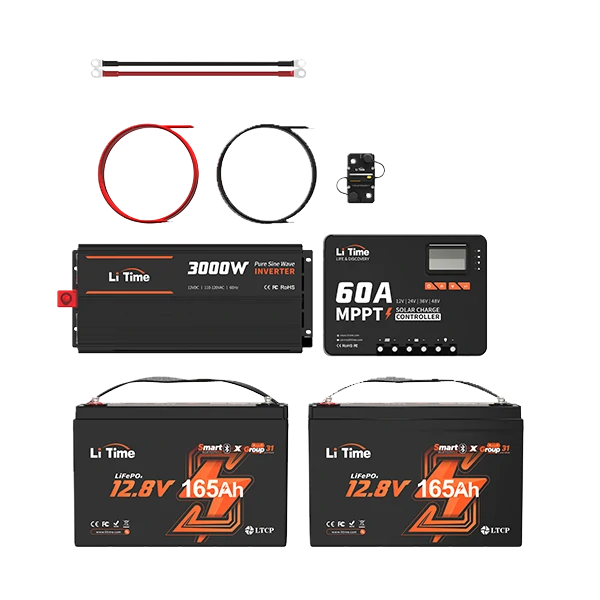
Your budget is mainly driven by daily kWh needs, battery storage size, inverter/charger capacity, solar array size, and whether you add a generator. A common approach is to start with a right-sized LiTime best batteries for solar off grid bank (kWh-based), then expand as your loads grow.