




Quick List:Deserted Island Survival Kit
- Water filter + purification tablets + collapsible bottle
- Fixed-blade knife + multitool
- Fire starter (ferro rod) + waterproof matches
- Tarp + paracord + emergency blanket
- Signaling: whistle + signal mirror + flashlight
- Bug spray + sunblock + basic first-aid kit
- Communication: satellite messenger/phone
- Power: LiFePO₄ battery + compact solar panel/MPPT
1. Water & Filtration System — The First Resource You Must Secure
Before anything else, your body needs water. Even the best tools mean nothing if you’re dehydrated. That’s why your first priority isn't carrying gallons of water—it’s ensuring you can produce drinkable water every day.
What you need
- Portable water filter
- Purification tablets
- Collapsible water container
Clean water is the foundation of every other decision you’ll make on the island.
2. Cutting Tools — Your Ability to Build, Prepare, and Protect
Once hydration is handled, you must be able to shape your environment—build shelter, prepare food, cut branches, and create tools. A good cutting tool multiplies your physical ability more than almost any other survival item.
Recommended tools
- Fixed-blade survival knife
- Multitool
- Folding saw
With these, you can turn raw resources into shelter, firewood, traps, and protection.
3. Fire-making System — Heat, Safety, Food, and Rescue Signals
Fire is far more than warmth—it purifies water, cooks meals, dries clothing, deters animals, and produces smoke signals visible from miles away.
Essential fire tools
- Ferro rod
- Magnesium fire starter
- Waterproof matches
With dependable fire, surviving nights and storms becomes far more manageable.
4. Power & Energy System — Electricity Is Your Modern Lifeline
In today's world, losing electricity means losing communication, navigation, lighting, and your ability to call for rescue. That's why a lithium battery system is one of the smartest survival items you can bring.
Why lithium batteries matter
- Lightweight and easy to carry
- High usable capacity
- Long lifespan (thousands of cycles)
- Very low self-discharge
- Safe and stable LiFePO₄ chemistry
- Excellent solar compatibility
What a lithium battery can power
- Smartphones (GPS, offline maps)
- Satellite communicators
- Headlamps & camp lighting
- Water sterilizers
- Cameras & drones
- Portable refrigerators
- All USB devices
5. Off-grid Lithium Battery Solutions You Can Actually Bring
Here are two practical LiTime lithium battery setups—one lightweight and simple, the other a complete off-grid station.
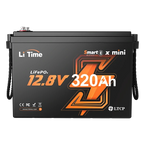
⭐ Option 1: LiTime 12V 100Ah XTRAMini — Lightweight, Plug-and-Play Power

Perfect for those who want reliable power without complicated wiring.
Key advantages
- Compact 12V 100Ah LiFePO₄ battery
- Pre-wired battery box for easy setup
- Compatible with small MPPT controllers
- Beginner-friendly plug-and-play design
- Powers lights, phones, cameras, mini fridges
Optional add-ons
| Accessory | Function |
|---|---|
| Battery box | Protection & safer outdoor wiring |
| 30A MPPT controller | Efficient solar charging |
| 200–400W solar panels | Approximately 3–6 hours to recharge |
⭐ Option 2: LiTime 12V 100Ah XTRAMini + MPPT + Inverter — Complete Off-grid Power Station
Ideal for long-term survival, heavier use, or anyone who needs AC power on the island.

What's included
- 12V 100Ah LiFePO₄ battery
- 30A MPPT solar controller
- 1000W pure sine inverter
- 150A circuit breaker
- Heavy-gauge wiring kit
- Optional: 200–400W solar panels
Capabilities
- Full solar recharge in ~3–6 hours
- Runs a fridge all day
- Powers lights, cameras, and communication devices simultaneously
- Inverter supports small AC appliances like a coffee maker or cooker
6. Shelter & Rescue System — Staying Safe and Being Found
Shelter protects you from weather, while rescue tools increase your chances of being found.
Shelter essentials
- Tarp or waterproof sheet
- Paracord
Rescue tools
- Signal mirror
- Whistle
- Bright flashlight
- Smoke signals
7.Conclusion — Survival Isn't About Objects, It's About Systems
The top 5 systems to bring to a deserted island are:
- Water filtration
- Cutting tools
- Fire-making gear
- A lithium battery power system
- Shelter & rescue tools
Lithium batteries keep your navigation, lighting, communication, and rescue gear alive—long after everything else fails.
On a deserted island, electricity isn’t a luxury—it’s hope.
8.FAQ: Deserted Island & Off-Grid Survival
1: What should I do first after landing on a deserted island?
Your first priorities are:
- Get out of immediate danger (waves, cliffs, unstable trees, aggressive animals).
- Secure water — find a source and start filtering/purifying.
- Create basic shelter from sun, rain, and wind.
- Start building a fire for warmth, morale, and signaling.
Only after these are handled should you worry about organizing gear, exploring the island, or building more advanced systems.
2: How long can I survive without water and food?
Water: In hot or tropical conditions, dehydration can become critical in 1–3 days. That’s why water filtration is listed as the first system.
Food: Most healthy adults can survive several weeks without food, although performance and decision-making will decline.
This is why your priority is always water → shelter → fire → signaling, and only then long-term food sources.
3: What if I don’t have a water filter — is there any safe way to drink?
If you lose your filter, you can still improve water safety by:
- Boiling: Bring water to a rolling boil for at least 1 minute (longer at high elevations).
- Improvised filtration: Pour water through cloth, sand, and charcoal layers to remove debris (this does not kill microbes, but helps your main purification method).
- Solar disinfection (SOS/SODIS): In an emergency, clear plastic bottles left in strong sunlight for several hours can help reduce some pathogens.
Whenever possible, combine methods (filter + boil) for the best safety margin.
4: How can I signal for help effectively on a deserted island?
Maximize visibility and contrast:
- Fire & smoke: Build a large signal fire in a visible place; add green leaves or damp vegetation to create smoke when you see a plane or ship.
- Signal mirror: Flash sunlight at aircraft or ships; aim using a V-shape made with your fingers.
- Ground signals: Create large "SOS" or contrasting symbols on the beach using rocks, logs, or dug-out sand.
- Light & sound: Use a whistle (carries farther than shouting) and a bright flashlight at night.
Your power system can keep lights, radios, and satellite communicators running, multiplying your chances of being noticed.
5: How do I deal with injuries or illness when I’m alone?
- Stop bleeding: Apply direct pressure, elevate if possible, improvise bandages from cloth.
- Clean wounds: Rinse with clean or boiled water, keep dirt and sand out.
- Immobilize serious injuries: Use sticks and cloth to splint, avoid unnecessary movement.
- Monitor for infection: Redness, swelling, pus, or fever are warning signs—keep the wound clean and dry, and rest as much as possible.
A good first-aid kit plus your cutting tools and clean water will drastically improve your chances of managing injuries until rescue.
6: Is it really worth carrying a lithium battery system when every gram counts?
Yes—if you pair it with the right electronics. A compact LiFePO₄ system (like a 12V 100Ah battery with solar and basic wiring) can:
- Keep communication tools (satellite messenger, radio, smartphone with offline maps) powered for days or weeks.
- Provide reliable lighting, which improves safety, camp setup, and morale at night.
- Power water sterilizers, GPS, and rescue beacons, which directly support your survival and chances of being found.
Think of it as a force multiplier: the battery itself is just weight, but when combined with the right devices, it becomes one of the most powerful systems you can bring.


