


A 12V power inverter for car use converts your vehicle’s DC power (from the battery/charging system) into household-style AC power so you can run laptops, chargers, small appliances, and other electronics on the road. The “best” inverter isn’t the biggest one—it’s the one that matches your load, your install method, and how long you plan to run it.
Below is a clean, publish-ready guide built around the real questions people ask: Is it safe? What size do I need? How long will it run? Will it drain my battery?

Table of Contents
- Is It Safe to Use a 12V Power Inverter in a Car?
- How Big of a 12V Power Inverter Do You Really Need?
- Pure Sine Wave vs Modified Sine Wave: Which One Should You Choose?
- How to Install a 12V Power Inverter Safely in Your Car
- How Long Will a Car Battery Last with a Power Inverter?
- Will a Power Inverter Drain Your Car Battery? (And How to Prevent It)
- Final Checklist: Choosing the Right 12V Power Inverter for Your Car
- LiTime Inverter Recommendations (Choose by Wattage)
Is It Safe to Use a 12V Power Inverter in a Car?
Yes—when it’s correctly sized and connected. Most safety issues come from one of these mistakes:
- Overloading a 12V outlet (common with anything above ~100–150W)
- Undersized wiring or no inline fuse on battery-direct installs
- Poor ventilation (inverters generate heat; heat reduces performance and safety)
- Running high loads with the engine off until the starter battery can’t crank
A good inverter also helps keep things safe by including protections like overload shutdown, over-temperature shutdown, and low-voltage cutoff.
How Big of a 12V Power Inverter Do You Really Need?
This is the #1 buying decision. Use a simple sizing rule:
Continuous inverter wattage ≥ (total watts of devices you’ll run at the same time) × 1.2–1.3
Step 1: Add up your real load
Examples:
- Laptop: 90W
- Camera charger: 30W
- Phone fast charger: 20W
Total = 140W → choose 200W (or 300W for more headroom).
Step 2: Account for surge (startup) power

Anything with a motor/compressor (coolers, pumps, some tools) may need a brief surge above its “rated” watts. That’s why you don’t want to run an inverter at 95–100% all the time.
Step 3: Remember the 12V side current gets big fast
Even “only” 300W can mean ~25–35A on the 12V side depending on efficiency—this is why install method matters.
Pure Sine Wave vs Modified Sine Wave: Which One Should You Choose?
Think of this as a compatibility decision.
Modified Sine Wave
Best for:
- Basic chargers
- LED lights
- Simple resistive loads
Trade-offs:
- More electrical “noise”
- Some devices run hotter or less efficiently
- Can cause buzzing/humming in certain electronics
Pure Sine Wave (Recommended for most modern gear)
Best for:
- Laptops, monitors, and sensitive electronics
- Medical devices (e.g., CPAP)
- Appliances with motors/compressors (higher compatibility)
If you want fewer surprises, pure sine wave is the safer buy.
How to Install a 12V Power Inverter Safely in Your Car
Choose the install method based on power and how you plan to use the inverter.
Using a 12V Outlet: Why Power Is Usually Limited to 100–150W
Most car accessory power sockets are designed for small loads and protected by fuses/wiring that commonly support around 120W. Many owner’s manuals explicitly advise keeping accessories at or below this level (often 10A at 12V).
Practical takeaway:
- Phone/laptop charging: usually fine.
- High-watt appliances/tools: do not use the 12V outlet.
Battery-Direct Installation: When and Why It’s Necessary
If you’re running 300W+ or you need stable output for longer periods, battery-direct is typically the right path.
Best-practice checklist:
- Inline fuse on the positive lead (as close to the battery as possible)
- Correct cable gauge for the current (size it properly)
- Secure routing away from heat/moving parts; protect from abrasion
- Ventilation: mount where the inverter can breathe
- Solid connections: loose terminals create heat and voltage drop
How Long Will a Car Battery Last with a Power Inverter?
Use this estimate:
Runtime (hours) ≈ Battery Ah × 12V × usable fraction × inverter efficiency ÷ load watts
- Usable fraction: starter batteries are not meant for deep discharge if you still need reliable starting power.
- Efficiency: inverters are not 100% efficient; some energy becomes heat (Penn State- Inverter efficiency and conversion losses (course content)
Example (conservative)
- 50Ah battery
- 120W load
- usable fraction = 0.30
- efficiency = 0.88
Runtime ≈ 50 × 12 × 0.30 × 0.88 ÷ 120 ≈ 1.3 hours
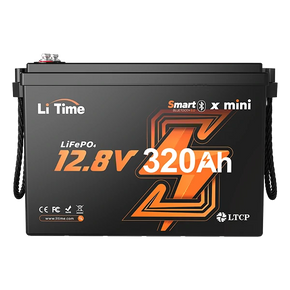
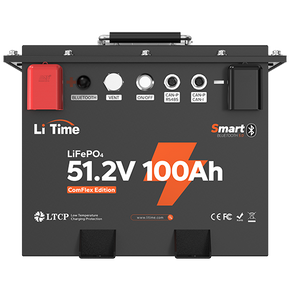
If you need longer runtime with the engine off, plan an auxiliary battery system (often LiFePO4) instead of relying on the starter battery.
Will a Power Inverter Drain Your Car Battery? (And How to Prevent It)
Yes—a power inverter will drain your car battery, even faster than most people expect. It can also draw a small amount at idle depending on the model.
The 5 most common battery drain scenarios
- Running AC loads with the engine off for longer than planned
- Using a high-watt device through a 12V outlet
- Leaving the inverter on overnight
- Using a modified sine wave inverter with sensitive electronics (extra heat/loss)
- Treating a starter battery like a deep-cycle battery
How to prevent battery drain
- For heavy loads, run the engine so the alternator supports the system
- Use DC charging when possible (USB-C PD can be more efficient than AC adapters)
- Watch voltage and use low-voltage cutoff
- Separate “starting” and “living” power for camping/remote work (aux battery or portable power system)
Final Checklist: Choosing the Right 12V Power Inverter for Your Car

- List devices you’ll run simultaneously and their wattage
- Multiply total watts by 1.2–1.3 to size the inverter
- Choose pure sine for laptops, medical devices, and motor/compressor loads
- Use 12V outlet for low loads; use battery-direct for higher wattage
- Confirm protection features (overload, over-temp, low-voltage)
- Plan ventilation and correct cable/fuse sizing
Recommendations by use case
- Light charging & travel (≤150W): compact inverter, prioritize ports and protections
- Mobile office (300–600W): pure sine wave, better cooling, battery-direct preferred
- Camping/long engine-off runtime: inverter + LiFePO4 auxiliary battery for longer, safer power
LiTime Inverter Recommendations (Choose by Wattage)
LiTime’s inverter lineup is pure sine wave and is designed to deliver clean AC power with , aiming to protect sensitive electronics like laptops and medical devices. Our products also highlights robust protections (over-voltage, short circuit, overload) and up to95% efficiency depending on model and conditions.
Start by selecting the wattage range that matches your needs, then check ports, dimensions, and included cables on the product page:

-
Up to 1000W: Ideal for light loads such as laptops, cameras, phones, and multi-device charging—compact and easy to use.
-
2000W: A good choice for running multiple devices at once or small appliances with startup surge—more headroom and stability.
-
3000W: Best for heavier loads and frequent use, including tools or multiple appliances that need higher surge capacity.
-
Inverter Charger (2-in-1): Recommended if you’re building a more complete car, RV, or camping power system and want inverter and charger functions combined in one unit.

