


A data-driven look at policy, electricity bills, budgets & outages (with LiTime DIY ideas)
1. Why are so many Americans turning to DIY solar generators?
A DIY solar power generator is essentially a small off-grid or hybrid power system you assemble yourself using:
- Solar panels
- A battery (often LiFePO₄ for long cycle life)
- An MPPT solar charge controller
- An inverter to provide 120V AC
- Cabling, breakers, and safety accessories
Instead of buying a sealed portable solar power station, you build your own custom kit — a DIY solar power generator kit — tailored to your loads, climate and budget.
Lower total cost by cutting “soft costs”
In the U.S., a large part of solar cost is not hardware, but “soft costs”: design, permitting, inspection, marketing, overhead, and labor. The U.S. Department of Energy and the National Renewable Energy Laboratory (NREL) have highlighted that soft costs now make up the majority of residential system costs as hardware prices have fallen over the last decade (Source: U.S. DOE, NREL soft cost reports).
Hiring an electrician or installer can add thousands of dollars to a project. By doing much of the work yourself (within local code and safety rules), you’re:
- Spending more of your budget on hardware, not overhead
- Replacing part of high hourly labor rates with your own time
- Freeing up money for better batteries or larger solar arrays
Flexibility: from weekend camping to whole-house backup
DIY solar power generator kits can start small and grow:
- Small: phones, cameras, lights, a 12V fridge for camping
- Medium: RVs, tiny homes, mobile studios, home offices
- Large: cabins or even whole-home backup and partial off-grid living
That flexibility is especially valuable in the U.S., where use cases range from Florida hurricane backup to Utah boondocking to Wisconsin snow-belt resilience.
A gradual path: try it small, then scale up
Many people don’t jump straight into a whole-home solar-plus-storage system. Instead, they:
- Start with a small portable solar power station or compact DIY kit.
- Discover how convenient quiet, fuel-free power can be.
- Add more panels, upgrade to a bigger inverter, or move to a higher-voltage system.
- Eventually step into RV, cabin, or partial home backup systems.
DIY solar is ideal for this step-by-step journey: you’re never locked into a closed box, and you can grow your system with your needs and budget.
2. Four key factors that make a place “DIY-friendly”
Not every state is equally well-suited to DIY solar. Based on recent research reports and publicly available survey data from U.S. government agencies and industry analysts, four factors stand out:
- Policy support (state incentives and net metering)
- Electricity costs and typical bills
- How budget-sensitive households are in that region
- Outage frequency and extreme weather

Policy support: incentives and net metering
For grid-tied systems, state-level policy can make or break the economics. The Database of State Incentives for Renewables & Efficiency (DSIRE), run by the NC Clean Energy Technology Center at NC State and supported by the U.S. Department of Energy, is the primary public reference for incentives and policies across all 50 states (Source: DSIRE, NC State University).
Key questions include:
- Is there a state tax credit for solar or storage?
- Are there rebates or low-interest loans?
- Is net metering or a fair export credit available?
- Do utilities and codes allow homeowner participation with a licensed electrician signing off on final connections?
Electricity costs: where bills are already painful
According to the U.S. Energy Information Administration (EIA), the average U.S. residential electric bill in 2024 is around $140–$150 per month, but some states regularly average above $200 per month (Source: EIA electric sales, revenue and average price reports). Studies from platforms like EnergySage, which aggregate EIA data, show significant variation by state and steady price increases over time.
In high-bill states, each kWh of self-produced energy has more value, shortening the payback period for DIY systems that offset part of a household’s consumption.
Budget sensitivity and value-focused households
Recent briefs from the U.S. Census Bureau, based on the American Community Survey (ACS), highlight how income, housing costs and energy burdens differ across states (Source: U.S. Census Bureau ACS tables and state-level energy burden studies).
In some regions, households face tighter margins between income and essential costs. People there naturally pay closer attention to value, DIY options and long-term operating costs. For energy projects, that often means:
- Preferring modular and upgradeable DIY solar kits
- Replacing noisy fuel generators with solar-plus-battery setups
- Starting small, then reinvesting savings into system upgrades
Outages and extreme weather
Agencies such as NOAA, FEMA and EIA have documented rising weather-related grid disruptions, especially in hurricane-prone coastal states, severe-storm corridors, and snow- and ice-prone regions (Source: FEMA and NOAA storm and outage reports; EIA outage impact analyses).
In these places, a DIY solar generator is as much a resilience tool as it is a money saver: keeping food safe, maintaining communications, and preserving basic heating or cooling during emergencies.
3. U.S. regions that are especially well-suited for DIY solar power
By combining recent research and survey-based analyses of state policies, electricity bills, economic conditions and outage risks, we can group “DIY-friendly” areas into four broad categories. Exact state rankings change as laws and prices evolve, so it’s always smart to double-check current DSIRE and EIA data.
3.1 Policy-friendly states: ideal for DIY + grid-connected systems
Typical examples (as of 2024–2025) include: South Carolina, Wisconsin, North Carolina, Michigan, Minnesota, New York, Connecticut. These states tend to offer:
- Strong state-level incentives such as tax credits or rebates
- Net metering or reasonable export credits
- Clear interconnection pathways for residential solar and batteries
For instance, South Carolina has combined the federal 30% tax credit with its own credit for residential solar systems, which significantly improves returns for homeowners. Wisconsin couples net metering with the Focus on Energy program, which is funded by utilities and provides rebates for eligible energy upgrades (Sources: DSIRE state summaries; Focus on Energy program materials).
In states like these, a DIY-minded homeowner can handle design, component selection and much of the build, then hire a licensed electrician for final grid tie-in while still accessing available incentives.
3.2 High-bill states: where DIY pays back faster
EIA reports show that while the U.S. average residential bill hovers around $144 per month, some states — such as Connecticut and Hawaii — average well above $200 per month (Source: EIA electric sales, revenue and average price by state).
Industry analysts and media coverage also note that electricity prices have risen more than 20% in many states over the past decade. In high-bill environments, DIY solar generators can:
- Target specific high-priority loads (refrigerator, lights, networking, small AC)
- Reduce peak-time consumption
- Deliver a meaningful sense of control over rising bills
3.3 Budget-conscious regions: where DIY culture thrives
Census and state-level studies show that some regions face more pressure from housing, transportation and utility costs relative to incomes. Households there often:
- Plan big purchases carefully
- Embrace DIY home improvement and vehicle maintenance
- Focus on value, durability and long-term cost of ownership
For energy, that usually means strong interest in:
- Modular, upgradeable DIY solar power generator kits
- Replacing fuel generators with quieter solar-plus-battery setups
- Small-but-serious systems for a freezer, toolshed, barn lighting or RV
3.4 States with frequent outages and extreme weather
Weather-related outage data shows increasing disruption in certain parts of the South, Midwest and West, driven by hurricanes, severe thunderstorms, wildfires, and winter storms. In these areas, many households now view a DIY solar generator primarily as a backup power appliance:
- Keeping the refrigerator and freezer cold
- Running lights, phone chargers and internet equipment
- Powering a small heater, fan or medical device during emergencies
The most effective systems here often combine a portable solar power station with fixed solar, LiFePO₄ batteries and thoughtful load management.
4. Matching LiTime DIY solar solutions to different regions
With that regional context in mind, here are four LiTime configurations that align well with typical needs in different parts of the U.S. These are examples, not one-size-fits-all packages; sizing should always be based on your actual loads and location.
4.1 Value-focused & mobile use: camping, fishing, light RV
Best fit: Regions where households are budget-conscious, enjoy the outdoors, and want a practical first step into DIY solar.
Recommended setup: 12V 100Ah LiFePO₄ battery + 30A MPPT + 1000W inverter kit
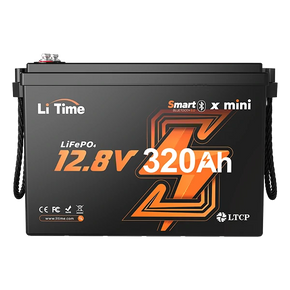
- 12V 100Ah LiFePO₄ battery
- 30A MPPT solar charge controller
- 1000W pure sine wave inverter
- 150A breaker + dual cable set (1.5 ft × 2)
- Pairs well with 200–400W of solar panels (about 3–6 hours to recharge in good sun)
Typical loads: phones, cameras, a 12V car fridge, LED lights, and small appliances within the inverter’s power rating.

4.2 RV travel, outdoor work and mobile studios
Best fit: Sunny states with strong road-trip culture and users who rely on RVs, vans or trailers as mobile living or working spaces.
Recommended setup: 12V 230Ah low-temperature battery +40A charger + 30A MPPT + 2000W inverter
- 12V 230Ah low-temperature LiFePO₄ battery
- 40A AC charger
- 30A MPPT solar charge controller
- 2000W pure sine wave inverter
- Typically paired with two 400W panels for all-day energy
Typical loads: RV fridge, lighting, a small induction cooktop or kettle (intermittently), laptop and camera gear.
The low-temperature rating makes this setup well-suited for cooler mountain or northern climates where battery protection is important.
4.3 High-bill states & cabins: partial home or cabin systems
Best fit: States with higher electricity prices or rising bills, plus cabins and small homes that do not need full whole-house coverage.
Recommended setup: 24V 100Ah LINK battery + 24V 3000W hybrid inverter
- 24V 100Ah LINK LiFePO₄ battery
- 24V 3000W hybrid inverter (solar + grid + battery)
- Supports 200W × 2–4 panels in series (36-cell or 72-cell modules)
Typical loads: a high-efficiency refrigerator, lighting, TV, router, a small AC or mini-split for limited hours, and a compact washing machine.
A hybrid inverter can automatically switch between grid, solar and battery, making this ideal for homeowners who want to offset key loads and gain backup capability without going fully off-grid.
4.4 Policy-friendly, “go big” regions: whole-home or serious off-grid
Best fit: States with solid policy support and homeowners committed to a long-term solar-plus-storage strategy.
Recommended setup: 51.2V rack-style 3U LiFePO₄ battery + 48V 5000W hybrid inverter
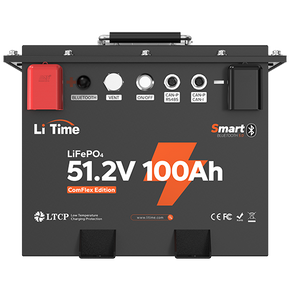
- 51.2V 3U rack-mount LiFePO₄ battery
- 48V 5000W hybrid inverter
- 300A bus bar + 10 ft cabling for safe power distribution
- Supports 200W × 4–8 panels as a larger PV array
Typical loads (properly sized): refrigerator and freezer, central or mini-split AC (within inverter limits), washing machine, kitchen appliances and household lighting.
48V systems are more efficient for higher power levels, and rack-mounted batteries are space-efficient and service-friendly. A system like this can be used either for robust whole-home backup or for serious off-grid living, depending on how it’s configured.
5. FAQ: Common questions about DIY solar power generators
1) Is DIY solar legal in the United States?
Yes, but details matter. Off-grid and portable systems for RVs, cabins, sheds and camping are generally allowed when installed safely. If you plan to connect a system to the utility grid, you usually need permits, inspections and sign-off from a licensed electrician and your local utility. Incentives and policies vary by state; DSIRE is the best starting point to understand current rules where you live.
2) How is a DIY solar power generator different from a portable power station?
A ready-made portable solar power station is compact and plug-and-play, with fixed battery capacity and inverter size, ideal for light and occasional use. A DIY solar power generator uses separate components — battery, inverter, MPPT controller and panels — so you can choose capacities, wire things the way you like, and expand over time. DIY is better for RVs, cabins, and partial home backup, whereas a single portable unit is best for simpler needs.
3) How do I choose between 12V, 24V and 48V?
Use 12V for smaller, portable systems and light RV loads; 24V for RVs, tiny homes and modest cabin or small home systems; and 48V for larger home and off-grid systems with higher power needs. Higher voltage reduces current for the same power, which improves efficiency and allows smaller-gauge wiring for the same load.
4) Can DIY solar work in cold climates?
Absolutely. In cold climates, you should look for LiFePO₄ batteries with low-temperature charge protection or built-in heaters, and design your solar array and mounting angles with winter production in mind. For example, a system built around a 12V 230Ah low-temperature LiFePO₄ battery and a 2000W inverter is very well suited for RVs and cabins in colder regions.
5) How should a beginner start their first DIY solar project?
Begin by defining your main use case: camping, RV, cabin or home backup. Then list your must-run loads and estimate daily energy use. Choose a battery size that comfortably covers that usage with a safety margin, an inverter that can handle your largest combined loads, and enough solar panel wattage to recharge in a typical day. For many beginners, starting with a pre-matched DIY kit (battery + MPPT + inverter + wiring) is the easiest, safest way to get hands-on experience.
6. Conclusion: What would you build where you live?
Looking across the United States, some patterns are clear:
- Policy-friendly states are perfect for DIY systems that eventually tie into the grid.
- High-bill states see faster payback from offsetting a portion of monthly electricity use.
- Budget-conscious regions are natural homes for DIY culture and upgradeable kits.
- Outage-prone states have a strong reason to adopt solar-plus-storage for resilience first, savings second.
Wherever you live, there’s a DIY solar path that can make sense:
- A compact camping and fishing kit
- A well-equipped RV or mobile studio system
- A cabin or small-home setup for essential loads
- A serious hybrid whole-home solution leveraging incentives
DIY solar generators are not just about hardware. They’re about control, resilience and the freedom to design a power system that matches your life.
Your turn:
- Which state are you in?
- Are you more interested in saving on bills, powering an RV, preparing for outages, or moving toward off-grid living?
- If you could build any DIY solar power generator this year, what would it look like?
Share your ideas, load lists or system sketches in the comments or with your community. Your experience might be exactly what the next DIYer needs to take their first step.

