




Living off the grid means living without relying on public utilities—especially the power grid—by generating and managing your own essential resources. People choose this lifestyle for greater independence, better resilience during outages, and the freedom to live in remote locations. It can also be a way to reduce long-term reliance on rising utility costs and build a more self-sufficient routine.
In this guide, we’ll explain what “the grid” includes and what off-grid living really looks like in practice. Then we’ll walk through how to live off the grid, the best states and places to go off-grid, and realistic cost ranges. We’ll also cover real-life expectations, recommended books.
- Part1: What Does It Mean to Live Off the Grid?
- Part2: How to Live Off the Grid?Step-by-Step
- Part3: Best States/Places to Live Off the Grid
- Part4: How Much Does It Cost to Live Off Grid?
- Part5: People Who Live Off the Grid: Realistic Expectations
- Part6: Books on How to Living off grid
- Part7: FAQS About Living off grid
- Part8: Common misconceptions about living off-grid
Part1: What Does It Mean to Live Off the Grid?
Before planning an off-grid setup, it’s important to understand what “living off the grid” actually means—because it can range from off-grid electricity only to complete utility independence.

What “the grid” includes?
When people say “the grid,” they usually mean public utility services, especially electricity. In practice, it can include:
- Electricity grid (power lines): The utility network that delivers AC power to your home.
- Municipal water supply: City-provided tap water from public pipes.
- Sewer / wastewater system: City sewer lines or public wastewater treatment connections.
- Natural gas service (in some areas): Gas lines used for heating, cooking, and hot water.
- Utility metering + billing: The infrastructure that measures usage and charges monthly fees.
Depending on the context, “off the grid” may mean disconnecting from electricity only or from multiple utilities (power + water + sewer/gas).
What is living off the grid?
Living off the grid means you can operate your home, cabin, or RV without depending on public utility connections, especially the electric grid. Instead of drawing power from the utility company, you generate your own electricity—most commonly through solar panels paired with a battery bank and an inverter.
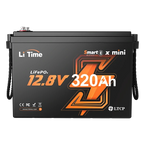
For reliable, long-term energy storage, many off-grid setups use a LiTime LiFePO₄ battery, which is designed for deep-cycle use and pairs well with solar charging systems.

Depending on your location and lifestyle, you may also produce your own water (well, rain collection, or hauling), handle waste independently (septic or composting systems), and rely on alternative fuels for heating and cooking (propane, wood, diesel, etc.).
Common types of off-grid living
- Electric-only off-grid: You generate your own electricity (often solar + batteries) but may still use city water/sewer.
- Hybrid / partially off-grid: You run mostly on self-generated power but keep a backup option (generator or occasional shore power).
- Fully off-grid: No utility hookups—power, water, and waste are all handled independently.
- Mobile off-grid (RV/van/boat): Smaller systems designed for travel, with tighter energy and water limits.
Living off grid Benefits and Challenges
Living off-grid Benefits
- Independence and control: You generate and manage your own utilities instead of relying on service providers.
- Resilience during outages: Your home can keep running even when the grid goes down.
- Remote living freedom: You can live where utility hookups are unavailable or too expensive.
- Efficiency and smarter habits: Off-grid living encourages careful energy use and better efficiency choices.
- Potential long-term savings: In some cases, avoiding connection fees and monthly bills can reduce long-term costs.
Living off-grid Challenges
- Higher upfront costs Building a reliable off-grid system often requires significant initial investment.
- Seasonal reliability: Solar production and energy needs change with weather and seasons, especially in winter.
- Maintenance responsibility: You must monitor, maintain, and troubleshoot the system yourself.
- Lifestyle adjustments: Some high-power comforts require compromises or larger, more expensive systems.
- Legal and permit constraints: Local zoning, building codes, and utility rules can limit what you can do.
- Hidden ongoing costs: Fuel, repairs, and component replacements add costs beyond the initial setup.
- Expectation gaps: Many people underestimate the planning and daily management required to stay comfortable.
Part2: How to Live Off the Grid?Step-by-Step
Living off the grid becomes realistic when you can cover the essentials—shelter, food, water, and energy—without depending on public utilities, and you have a plan to get what you can’t produce yourself through community, bartering, or income.
The Worldpackers guide frames two main paths: start with a low-cost “learn-by-doing” approach or build your own off-grid life step by step.
Way 1: Start Off-Grid With Minimal Money
- Do a work exchange: Volunteer your time/skills in exchange for accommodation (and sometimes meals), while learning off-grid basics like farming, permaculture, natural building, and renewable energy.
- Join an off-grid community: Living within a community can make off-grid life more manageable by sharing resources and learning from people already doing it successfully.
Way 2: Build Your Own Off-Grid Life
A safe, weather-ready shelter
A “shelter” is more than a roof—it’s what keeps your energy needs manageable. The key is a home (cabin, tiny house, RV, etc.) that can handle your climate with:
- Basic insulation and weather sealing to reduce heating/cooling demand
- Ventilation and fire safety (especially if using propane, wood, or diesel heat)
- Reliable storage space for water, food, tools, and spare parts
A complete power plan (generation + storage + delivery)
Off-grid electricity must be designed as a full loop—not just generation. A reliable power setup requires:
- An energy audit: estimate daily use (kWh/day) and peak loads (watts)
- Generation: solar (most common), plus wind or micro-hydro if the site supports it
- Power delivery: inverter, distribution, and protection (fuses/breakers/disconnects)
- Backup strategy: generator, alternator/DC-DC charging (mobile setups), or occasional shore power for extended bad weather
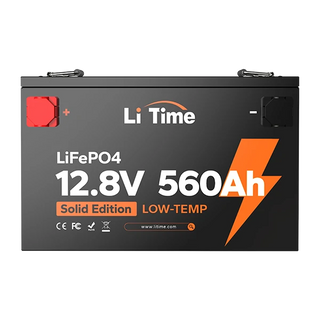
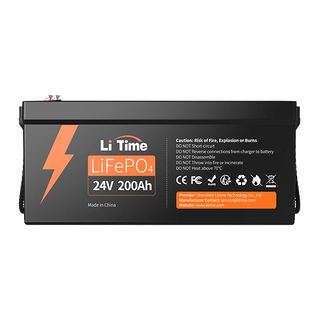
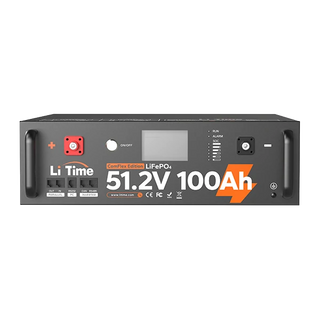
- Storage: a battery bank sized for nighttime and low-production days—this is where LiTime off-grid batteries fit naturally with 4000+ cycles, deliver stable voltage, and can accept faster charging—all of which helps keep off-grid power more consistent day to day.
Clean water and a legal sanitation solution
Water and waste systems are often harder than power because they’re tied to local rules. You’ll need:
- A dependable water source: well, rain catchment, or hauled water + storage tanks
- Filtration/purification: so drinking water is consistently safe
- Sanitation/waste handling: septic, composting toilet, or other approved options—and a plan for gray water where applicable
A food strategy you can sustain
Off-grid doesn’t mean you must grow everything, but you do need a plan that works year-round. Common approaches include:
- A mix of staples + storage: pantry foods, freezer strategy (if power allows), and seasonal planning
- Supplemental production: gardens, small livestock, or local sourcing depending on land and time
- Realistic expectations: growing food saves money only when the climate, soil, and labor match your capacity
Skills, maintenance habits, and troubleshooting mindset
Off-grid living is manageable when you can prevent small problems from becoming big failures. You don’t need to be an expert, but you do need:
- Basic DIY capability: simple electrical checks, plumbing fixes, and routine maintenance
- Monitoring and routines: battery checks, panel cleaning, filter replacement, and seasonal inspections
- A support network: local tradespeople, neighbors, or community resources when issues exceed your skill level
A sustainability plan (money, barter, or income)
Even “low-cost” off-grid living isn’t free long-term—parts wear out and emergencies happen. Successful off-grid setups usually include:
- An emergency fund for repairs and replacements
- Ongoing operating budget (fuel, tools, maintenance items)
- Income or exchange options: remote work, local services, bartering, selling surplus goods, or seasonal jobs
Part3: Best States/Places to Live Off the Grid
“Best” depends on your goals (cheap land vs. easy permitting vs. mild climate), but the top search results consistently judge locations by a similar set of factors—laws, affordability, resources (sun/water), climate, and access to essentials.
how to judge the “best” state/place
Use these standards to evaluate any shortlist:
- Legality permitting: zoning, building codes, septic rules, and whether disconnecting from utilities is allowed (often enforced at the county level).
- Water reality: well feasibility, rainfall patterns, and whether rainwater collection is permitted/practical.
- Renewable energy potential: sunlight (solar), wind, or hydro resources (affects system size and cost).
- Affordability: land price, cost of living, and the availability of rural/off-grid properties.
- Climate seasonal reliability: winter solar drop vs. heating demand; extreme heat and cooling loads.
- Access to essentials: road access, medical care, groceries/fuel, and local repair support (especially important for full-time off-grid).
Recommended “Best States”
| Rank | Recommended state | Why it’s recommended (high-level) |
|---|---|---|
| 1 | Iowa | in Home Gnome’s 2025 study (balanced climate + infrastructure/affordability factors in their methodology). |
| 2 | Texas | strong sunshine, large rural land market, and high availability of off-grid properties in that study. |
| 3 | Kentucky | highlighted for safety and rural healthcare access, plus strong suitability score in the study. |
| 4 | Minnesota | scored highly on law suitability in the study’s framework. |
| 5 | Oklahoma | noted for low cost-of-living and favorable per-acre land value in the study’s snapshot metrics. |
| 6 | Vermont | Noted for very high renewable share and strong renewables growth (good for alternative energy mindsets; site-specific). |
| 7 | Montana | Frequently recommended in off-grid “best places” roundups for rural living potential; do county-level rule checks. |
Recommended “Best Places”
| Best place (example) | Good fit for | Why it’s commonly recommended |
|---|---|---|
| Rural Texas (e.g., West/Central TX regions) | Solar-first off-grid + lots of land options | Strong sun exposure and broad rural land availability; often cited as a top off-grid state pick. |
| Rural Oklahoma (plains / low-density counties) | Lower-cost entry + simple homestead setups | Home Gnome highlights affordability signals (cost-of-living, per-acre value) and ranks Oklahoma in the top 5. |
| Appalachian Kentucky (rural areas) | Water-friendly + wooded homestead lifestyle | Included in “best places” roundups and ranked top 3 in Home Gnome’s 2025 list. |
| Rural Montana | Remote/off-grid lifestyle with space | Commonly recommended as an off-grid destination in 2025 roundups; verify county codes and winter needs. |
| Cochise County, Arizona (budget-land example) | Ultra-low-cost land + solar-heavy setups | Frequently mentioned in “cheap off-grid land” lists due to sun and zoning/price discussions (always verify locally). |
| Apache County, Arizona (budget-land example) | Entry-level land buyers + minimal builds | Also commonly cited in low-cost off-grid land roundups; confirm access, water, and county rules. |
Part4: How Much Does It Cost to Live Off Grid?
Below is a practical breakdown of the main cost categories for off-grid living, with typical price ranges (USD) and an estimated total range.
| What it includes | Typical price range (USD) | |
|---|---|---|
| Power system | LiFePO₄ battery bank, inverter, MPPT controller, solar panels, wiring/protection, monitoring; optional DC-DC and/or generator | $1,100–$4,280 |
| Water | Water storage + hauling setup or rain catchment + filtration; OR well drilling + pump + plumbing + filtration | $400–$19,000 |
| Sanitation & waste | Composting toilet or septic system; basic greywater parts where applicable | $900–$11,000 |
| Heating / cooking / efficiency | Propane stove + tanks, wood stove/heater options, small efficiency upgrades (insulation/sealing) | $300–$8,000 |
| Permits / tools / misc. | Permits/inspections (where required), small hardware, spares, tools, contingency | $300–$3,000 |
| Land | Rural parcel pricing varies by state/county, access, water rights, etc. | $5,000–$200,000+ |
| Shelter/build | Tiny cabin/shed conversion, small cabin build, or an RV/van setup | $10,000–$100,000+ |
| Estimated total | systems + land + shelter | $18,000–$345,000+ |
Part5: People Who Live Off the Grid: Realistic Expectations
Story 1: MIG welding
I learned pretty quickly that off-grid power isn’t about being fearless—it’s about being precise. When I ran my MIG welder through a 3000W pure sine inverter, I didn’t treat it like unlimited grid electricity. I welded in short bursts, let the system breathe between passes, and watched my load instead of guessing.
It worked, but it also set my expectations. This setup is great for light-to-moderate jobs, not long, heavy welding sessions—because once you ignore peak draw and duty cycle, your battery and inverter remind you fast.

Story 2 : Northern Alberta off-grid living
Where I live, winter is the real test. In northern Alberta, the cold and the short days turn power into something you manage carefully, so I prioritize what matters: the diesel heater, lights, and a small freezer.
Switching from lead-acid to lithium made my system feel more dependable, and self-heating mattered because I wasn’t keeping everything warm indoors. Off-grid life is doable, but I plan around reality now: essentials first, enough capacity for the worst week, and a recharge plan that still works when the sun doesn’t.

Story 3 : He Built His Off-Grid Dream From Nothing!
Part6: Books on How to Living off grid
- Living Off the Grid (David S. Black) — A practical all-around off-grid primer (energy, water, shelter, waste) that you can buy on Amazon or borrow on Internet Archive.
- The Renewable Energy Handbook (William H. Kemp) — A deep, off-grid energy independence guide that you can preview on Google Books and borrow on Internet Archive.
- Stand-Alone Solar Electric Systems (Mark Hankins) — A more technical handbook for planning/design/installation of off-grid solar systems, available to borrow on Internet Archive.
- Off Grid Solar (Joe O’Connor) — A DIY-minded, solar-and-battery focused guide you can purchase via the author’s official site.
Part7: FAQS About Living off grid
Q1: Can you legally live off the grid in the U.S.?
Yes, living off the grid is generally legal in the U.S. The catch is that legality is controlled mostly by local zoning, building codes, and health/sanitation rules, which can require permits, inspections, and compliant water/waste systems. In some places, you may also face rules about minimum utility connections or how alternative systems must be installed.
Q2: Do you pay property tax if you live off-grid?
Yes—if you own the property, you typically still pay property tax even if you don’t use public utilities. Property tax is generally based on the assessed value of the land and any improvements (home/buildings), not whether you’re connected to the grid. Rates and exemptions vary by county/state, but “off-grid” by itself usually doesn’t remove the obligation.
Q3: How do you get water for off-grid living?
Most off-grid homes get water from a private well, rainwater harvesting, or hauled/delivered water stored in cisterns.Whatever the source, you’ll want filtration/treatment and regular testing, especially for wells, because safety is your responsibility. Rainwater collection is broadly allowed in many places, but some states have restrictions, so it’s smart to check local rules before building a potable system.
Part8: Common misconceptions about living off-grid
“Off-grid means no electricity.”
Many off-grid homes still run lights, fridges, fans, and even internet—just not from a utility company. The difference is where the power comes from (solar, batteries, generator, wind, etc.) and how carefully it’s managed.
“Off-grid is always cheaper.”
You might save on monthly utility bills, but off-grid living often requires significant upfront costs (solar panels, batteries, inverter, wiring, water system, septic/composting). There are also ongoing expenses like fuel for backup power, maintenance, and periodic replacement of key components.
“Solar alone is enough year-round.”
Solar output changes with season, weather, and location—winter days are shorter, clouds reduce production, and snow can cover panels. That’s why most reliable systems include a battery bank for storage and often a backup plan (generator or shore power) for extended low-sun periods.
“Any location works if you have the right gear.”
Your location can make or break an off-grid plan. Limited water access, extreme cold/heat, wildfire or flood risk, steep terrain, and difficult road access can raise costs and reduce reliability. Local zoning, building codes, septic rules, and water rights can also restrict what you’re allowed to build or how you can source water.
“Once it’s installed, it runs itself.”
Off-grid systems need attention. You’ll usually monitor battery state of charge, manage high-watt appliances, keep panels clean, inspect wiring and connections, and maintain water pumps/filters. Off-grid comfort is very achievable—but it often comes from good habits and routine checks, not “set it and forget it.”
“If you buy a bigger battery, you don’t need to manage usage.”
Bigger capacity helps, but it doesn’t eliminate limits. A few high-draw appliances (space heaters, electric cooking, air conditioners) can drain even large systems quickly. Off-grid success depends on load planning (daily kWh) and peak power control (watts), not just battery size.
“A generator can replace a properly sized solar+battery system.”
Generators are great for backup, but relying on them daily can be noisy, fuel-intensive, and costly over time. Most people use generators to support an off-grid system—not to serve as the primary long-term solution.
“Off-grid means you’re completely independent from the outside world.”
Even off-grid households often depend on supply chains for fuel, parts, food staples, medical needs, and internet. Off-grid is usually about reducing utility dependence, not eliminating every external dependency.


