


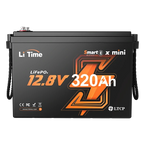


Frequent power outages, unstable grids, and rising electricity costs have pushed homeowners to prioritize reliable residential energy storage. A common misconception is that home battery backup systems require solar panels. In fact, home battery backup without solar is a fully viable solution for households unable to install solar setups.
This guide explains how non-solar home battery backups work, covers system types, costs, lifespan, pros and cons, and shares practical sizing, DIY, and troubleshooting tips to help you decide if this backup solution is worth investing in.

- Part1: Can You Install a Home Backup Battery Without Solar?
- Part2: Is it worth installing a home battery without solar Panels?
- Part3: Best Home Battery Backup Without Solar
- Part4: What Size Home Battery Backup Do You Need Without Solar?
- Part5: DIY Home Battery Backup Without Solar
- Part6: Home Battery Backup Without Solar FAQs
- Conclusion
Part 1: Can You Install a Home Backup Battery Without Solar?
The short answer is yes. You absolutely can install and operate a full home battery backup system without solar panels.
Most off-grid and emergency home battery systems are designed to charge directly from the standard utility grid. When grid power is active, the battery bank stores electricity; when blackouts, brownouts, or grid fluctuations occur, the battery automatically discharges power to run your essential home appliances.
What is Home Battery Backup System?
A home battery backup system is a residential energy storage solution that stores electrical power for emergency outage backup and daily peak-shaving use. It automatically delivers stable power to household electrical loads when the utility grid fails, fluctuates, or during expensive peak tariff periods. Below are the five mainstream charging methods for home battery systems:
1. Solar Panel Charging
Solar panel charging is the most eco-friendly and cost-efficient long-term charging option for home batteries. Solar panels capture sunlight and convert it into storable DC power via a charge controller. Most solar battery systems support hybrid charging, prioritizing free solar power on sunny days and switching to grid power at night or in low-light conditions. Best for homes with unshaded roofs, it effectively reduces grid power reliance and long-term electricity costs for better energy independence.
2. Utility Grid Charging
Utility grid charging is the most stable and common charging method for residential batteries, serving as the core working mode of the non-solar systems in this guide. The battery stores grid electricity during normal power supply and automatically discharges to power home appliances during blackouts or grid fluctuations. Requiring no solar equipment, it is ideal for renters, shaded homes, and properties with solar installation restrictions, supporting emergency backup and daily peak-shaving power savings.
3. Portable Generator Charging
Portable generator charging is a practical emergency supplementary charging method for long-term outages and off-grid use. Gas or inverter generators produce stable AC power, which can be converted and stored in home batteries. Independent of weather and sunlight, it provides continuous power supplementation for both solar and grid battery systems. However, it relies on fuel and requires outdoor ventilation, making it a temporary backup option rather than daily charging solution.
4. AC Outlet Charging (Household Plug-In Charging)
AC outlet charging is a flexible plug-and-play charging mode for portable all-in-one home battery systems. Integrated with built-in chargers, inverters and smart BMS, these batteries can be directly charged via standard household wall sockets without hardwiring or professional installation. Perfect for renters and temporary use, it suits small and medium-capacity batteries to power basic household devices during daily use and short-term power outages.
5. Vehicle / EV Charging
Vehicle/EV charging is a flexible mobile charging solution for home battery backups. Users can charge portable battery banks through dedicated adapters via vehicle alternators or EV auxiliary power ports. It enables on-the-go power replenishment while driving or parking, perfectly suited for home emergencies, outdoor camping and off-grid scenarios. It serves as a reliable mobile power supplement for households with frequent travel and unpredictable emergency power needs.
How Does Home Battery Backup Work Without Solar?
A non-solar home battery backup system operates on a simple charge-and-discharge cycle powered entirely by your local utility grid, with no solar input required. The entire process is automatic and requires no manual operation under normal conditions.
First, during periods of stable grid power, the system’s grid charger converts AC utility power into DC power to charge the home battery bank. Smart battery management systems (BMS) regulate voltage and current to ensure safe, efficient charging and prevent overcharging or overheating.
Once the battery reaches full capacity, the system stops charging and enters standby mode. When a power outage occurs or grid voltage fluctuates abnormally, the inverter instantly converts stored DC battery power back into usable AC power for your home’s electrical circuits.
After grid power is restored, the system automatically switches back to grid power mode and recharges the battery for future outages. This seamless cycle ensures continuous energy reliability without relying on sunlight or solar panels in any way.
Part 2: Is It Worth Installing a Home Battery Without Solar Panels?
Many homeowners hesitate to invest in battery storage without solar, worried the setup is inefficient or not cost-effective. In reality, a grid-charged home battery offers unique benefits that make it worthwhile for specific households. Below we break down the key scenarios, costs, lifespan, and pros and cons to help you evaluate its value.
When Do You Need a Home Battery Backup Without Solar?
A non-solar home battery backup is an excellent investment if you fall into any of the following categories:
Frequent Grid Outage Areas: If your neighborhood suffers from regular blackouts, storm-related power losses, or seasonal grid instability, a battery backup keeps essential appliances running without waiting for generator startup or fuel refills.
Non-Solar Eligible Properties: Renters, homeowners with shaded roofs, properties with strict HOA solar bans, or buildings with structurally unsuitable roofs cannot install solar panels but still need emergency power backup.
Peak Electricity Rate Savers: Many utility companies implement time-of-use pricing. You can charge your battery during low-cost off-peak hours and use stored battery power during expensive peak hours to slash monthly electric bills.
Essential Medical Device Users: Households relying on electric-powered medical equipment require consistent, automatic backup power to avoid life-threatening disruptions during outages.
Quiet Backup Preference: Unlike noisy fuel-powered generators, battery systems operate silently with zero emissions, making them ideal for residential neighborhoods and indoor use.
How Much Does a Home Battery Backup Without Solar Cost?
The total cost of a non-solar home battery backup system varies based on battery capacity, system type, inverter quality, and installation requirements. Below is a clear breakdown of typical price ranges for residential setups:
Plug-and-Play Portable Systems (3kWh–5kWh): $800–$3,000. These budget-friendly units require no installation and are perfect for small essential loads like lights, phones, and refrigerators.
Mid-Range Whole-House Battery Systems (5kWh–15kWh): $3,000–$8,000. Hardwired systems supporting most household appliances, suitable for average-sized homes.
High-Capacity Premium Systems (15kWh+): $8,000–$15,000+. Designed for full-home backup, high-power appliances, and extended off-grid runtime.
Additional costs may include professional installation fees, electrical panel upgrades, and maintenance accessories. While the upfront cost is higher than generators, battery systems have no recurring fuel costs and require minimal long-term maintenance.
How Long Does a Home Battery Backup Without Solar Last?
Two key lifespans matter for non-solar home batteries:operational runtime per charge and total service lifespan over years.
In terms of single-charge runtime, a home battery’s backup duration depends entirely on your household power consumption. A 5kWh battery can power basic essential devices for 8–12 hours, while a 10kWh battery supports light home loads for 15–24 hours. High-capacity 15kWh+ systems can sustain partial whole-house power for 24–48 hours during extended outages.
In terms of long-term service life, modern lithium iron phosphate (LiFePO4) home batteries last 10–15 years with 4,000+ charge-discharge cycles. Traditional lead-acid batteries last 3–5 years, requiring more frequent replacements. With proper maintenance, grid-charged non-solar batteries deliver consistent performance for over a decade.
Pros and Cons of Home Battery Backup Without Solar
Before making a purchase, weigh the core advantages and limitations of a standalone grid-charged battery system:
Pros
- No solar requirements: Works for all homes, including rental properties and shaded roofs
- Automatic outage protection: Instant power switch with no manual startup or fuel needed
- Silent & eco-friendly: Zero noise, zero exhaust emissions, and no fuel waste
- Lower electricity bills: Enables peak-shaving to avoid high time-of-use rates
- Minimal maintenance: Modern lithium batteries require almost no daily upkeep
- Flexible scalability: Easily upgrade battery capacity later without modifying solar setups
Cons
- Relies on grid power: Cannot charge during prolonged, widespread grid blackouts
- Higher upfront cost than generators: Initial investment is more expensive than basic fuel generators
- No solar energy savings: Cannot harness free solar power to offset grid electricity costs
- Limited long runtime for heavy loads: High-wattage appliances drain battery capacity quickly
Part 3: Best Home Battery Backup Without Solar
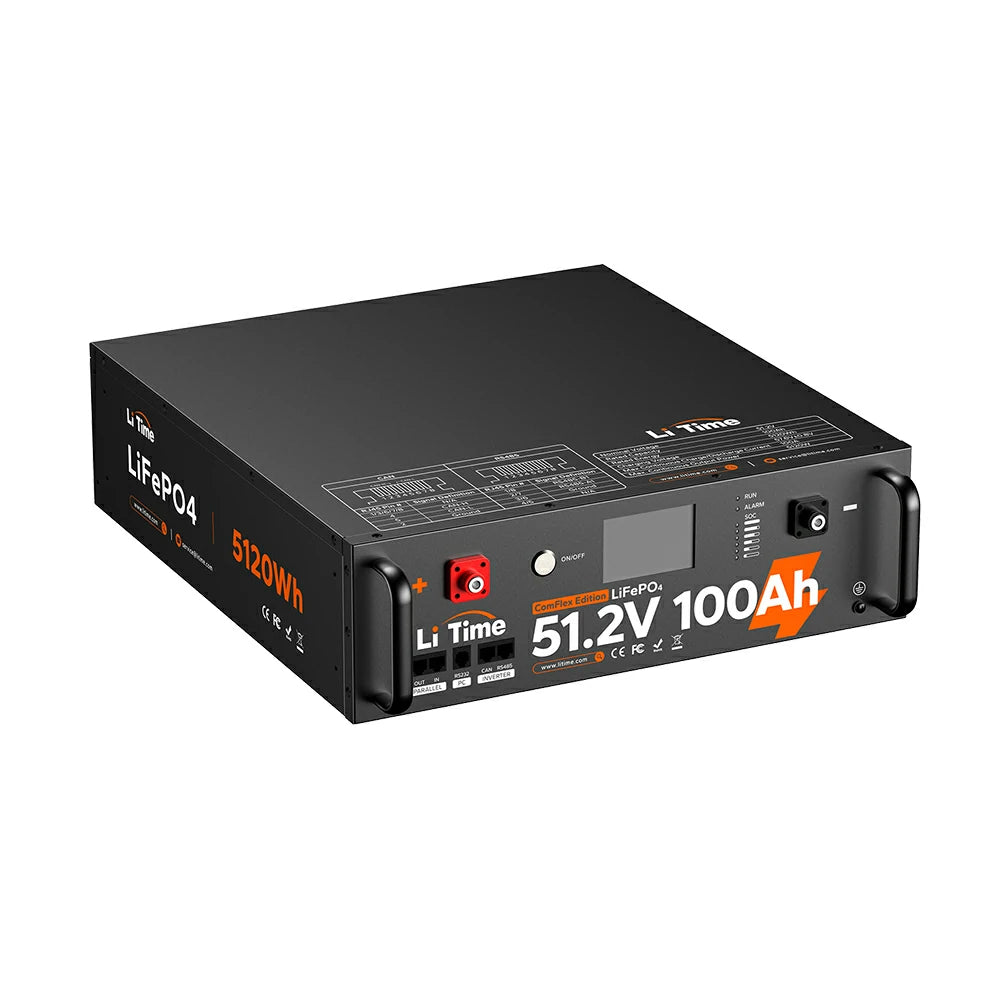
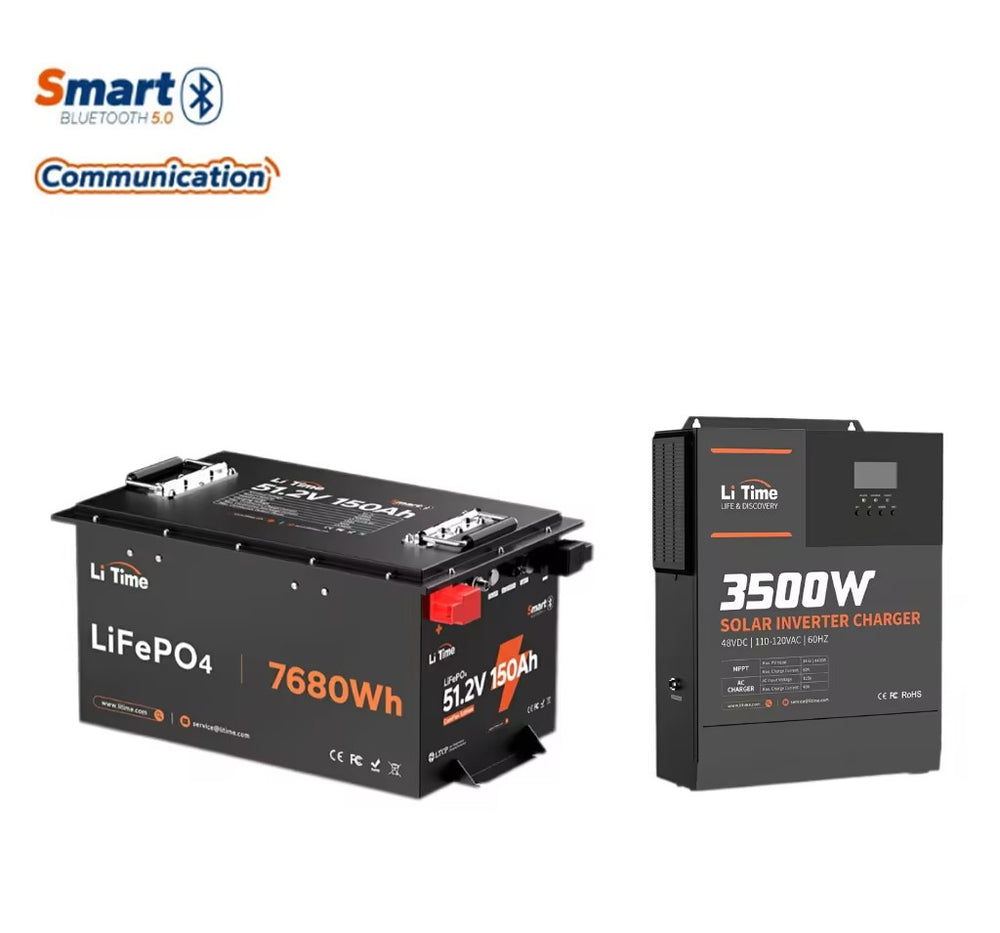
LiFePO4 batteries are the top choice for non-solar home battery backup, boasting better safety, longer lifespan, and higher stability than traditional lead-acid batteries. As a professional home energy storage brand, LiTime offers two high-performance models perfectly optimized for grid-only households. Both require no solar panels, support multi-source charging (grid, generator, AC outlet), and feature scalable capacity and intelligent safety protection. Below are their core advantages for non-solar home backup scenarios:
LiTime 48V 100Ah ComFlex Edition Stackable LiFePO4 Battery (5.12kWh) – Best for Standard Home Daily Backup
LiTime 48V 150Ah 7.68kWh All-in-One Home Backup Battery Kit – Best for Heavy-Duty & Extended Outage Backup
Part 4: What Size Home Battery Backup Do You Need Without Solar?
Proper battery sizing avoids insufficient backup power and wasted budget. Without solar supplementation, non-solar home batteries depend solely on pre-charged grid power, making precise capacity calculation essential. Below is a simplified, accurate calculation formula and step-by-step sizing guide for non-solar battery systems:
3-Step Sizing Guide
Step 1: Calculate total load wattage
Sum the rated wattage of all essential devices that need power during outages, including lights, refrigerators, routers, and home medical equipment, to get your total household power load.
Step 2: Set required backup duration
Determine how many hours or days of continuous emergency power your household needs to cope with grid outages.
Step 3: Calculate and reserve capacity
Calculate the theoretical battery capacity using the core formula. To offset energy loss, temperature interference, and long-term battery attenuation, reserve a 20%–30% safety margin — a must for non-solar battery systems with no supplementary charging sources.Core Battery Capacity Calculation Formula
Battery Capacity (kWh)=Total Load Wattage×Backup Hours1000×Inverter Efficiency×BMS Discharge Efficiency
- Inverter efficiency: 0.85 (average value for home inverters)
- BMS discharge efficiency: 0.9
- Max Depth of Discharge (DoD): 80% (prolongs LiFePO4 battery lifespan, avoid full discharge)
Capacity Matching Reference Chart
- 3kWh–5kWh: Ideal for small apartments, supports basic loads (lights, phones, routers) for 8–12 hours
- 5kWh–10kWh: Perfect for average homes, runs daily essential household devices for 12–24 hours
- 10kWh–15kWh: Suitable for medium-sized homes, provides partial whole-house backup for 24–48 hours
- 15kWh+: Designed for large homes, supports full-house power supply for multi-day extended outages
Scientific calculation with a reserved safety margin effectively prevents power shortages and overspending, ensuring your non-solar battery system matches your household’s actual backup demands.
Part 5: DIY Home Battery Backup Without Solar
A DIY home battery backup system without solar is a cost-effective solution for homeowners with basic electrical skills and customized power needs. Building your own system allows you to freely adjust battery capacity.
Core DIY System Components
- LiFePO4 lithium batteries: The core energy storage unit for grid charging and power backup
- Grid-tied battery charger: Converts AC grid power to DC power for battery storage
- Pure sine wave inverter: Converts DC battery power to standard AC household power
- Fuses and wiring kits: Ensures safe circuit operation and prevents short circuits
Basic DIY Setup Steps

Setting up a non-solar DIY home battery system is beginner-friendly. Follow these simplified steps to build a safe and functional grid-powered backup system:
Step 1: Assemble and place batteries
Select suitable LiFePO4 batteries according to your power needs, assemble them stably, and place them in a dry, ventilated indoor environment away from high temperature and moisture.
Step 2: Connect the grid charger
Wire the grid charger to the battery bank. It converts household AC grid power into DC power for battery storage, realizing solar-free charging.
Step 3: Install the inverter
Connect a pure sine wave inverter to the battery bank to convert stored DC power into standard AC power, supporting daily household appliances during power outages.
Step 4: Add safety protection & tidy wiring
Install matched safety fuses to avoid overload and short-circuit risks, then organize and fix all wires neatly to prevent loose connections and aging.
Step 5: Test system operation
Test normal grid charging status, and simulate power outages to confirm automatic switching between grid power and battery backup, ensuring stable system operation.
Part 6: Home Battery Backup Without Solar FAQs
How long will a 10kWh home battery last?
A 10kWh home battery is the most popular capacity for average households. Under standard essential loads (refrigerator, lights, router, and small electronics), it can last 15–24 hours on a single full charge. If running heavier intermittent loads like fans or small kitchen appliances, the runtime reduces to 10–15 hours. With only minimal standby devices, it can last up to 30 hours. Runtime varies based on real-time power consumption and battery health.
What is the lifespan of a house battery?
For non-solar home backup scenarios, LiTime LiFePO4 batteries deliver industry-leading service life and stable long-term performance, far outperforming traditional lead-acid batteries. Both LiTime 48V 100Ah and 48V 150Ah models support 4,000+ full charge-discharge cycles at 100% DoD, with a standard service lifespan of 10–15 years.
Can I add solar panels later?
Yes. Most modern home battery backup systems without solar are fully upgradeable. You can install solar panels and a solar charge controller at any time to convert your grid-only battery system into a hybrid solar-grid backup system.
Conclusion
Non-solar home battery backup is a practical, user-friendly power solution ideal for renters and homes unfit for solar installation. It provides automatic emergency outage protection, cuts electricity bills via peak-shaving, and offers quiet, zero-emission backup power with far less maintenance than fuel generators.
For reliable, future-proof grid-only energy storage, LiTime LiFePO4 batteries stand out as a top choice, delivering stable performance, long service life, and flexible scalability for diverse household needs.


