




Table of Contents
- 1. Why Smoke Alarms Deserve Your Full Attention
- 2. How to Replace a Smoke Alarm Battery (Step-by-Step Basics)
- 3. Still Beeping After a Battery Change? Here’s What to Check
- 4. How to Choose the Right Smoke Alarm
- 5. Annual Safety Checklist for Homes & RVs
- 6. From Smoke Alarms to RV Power Safety: The Role of LiTime LiFePO4 Batteries
- 7. Smoke Alarm Battery FAQ
- 8. Final Thoughts: Real Safety Comes from Every Layer of Protection
1. Why Smoke Alarms Deserve Your Full Attention
Whether you're at home or traveling in your RV, a smoke alarm is one of the most essential safety devices you own.
Most people assume that “as long as it’s installed, it’s fine.” But in reality, many smoke alarms fail not because they’re broken, but because:
- The battery is dead
- The device is past its service life
- It was installed in the wrong location
In other words, simply having a smoke alarm isn’t enough. You need to:
- Know when its battery should be replaced
- Understand why it keeps beeping
- Recognize when the entire unit needs to be replaced
- Perform a complete safety + power system check for your home or RV
This guide isn’t just about “how to change a battery.” It’s here to help you answer one important question with confidence:
“Is my home or RV truly protected right now?”

2. How to Replace a Smoke Alarm Battery (Step-by-Step Basics)
1. Identify Your Smoke Alarm Type
Most smoke alarms fall into one of two categories:
Battery-powered alarms
These rely entirely on batteries—typically:
- 9V batteries
- AA or AAA batteries
Hardwired alarms with backup batteries
These are:
- Normally powered by your home’s electrical system
- Using an internal battery only during power outages
To confirm your type, you can:
- Check the label on the back
- Read the user manual
- Search the model number online
2. Remove the Alarm and Locate the Battery Compartment
Most ceiling-mounted smoke alarms twist off with a gentle turn.
Once removed:
- Look for the battery compartment (usually a latch or sliding cover)
- Open it to reveal the battery or battery slot
3. Replace the Battery Using the Correct Type
Most alarms require:
- 9V rectangular batteries, or
- AA/AAA alkaline batteries
Important tips:
- Always use brand-new batteries
- Never mix old and new batteries
- Choose reputable alkaline brands for stable performance
- Align the battery according to the “+ / –” markings
⚠ Avoid using rechargeable batteries. Their voltage curve and self-discharge rate are not ideal for smoke alarms and may cause malfunction.
4. Reset & Test the Alarm
After replacing the battery:
- Reattach the alarm to its base
- Press and hold the TEST button for a few seconds
You should hear:
- Loud, continuous beeps → Alarm is functioning properly
- Weak or no sound → Recheck the battery or the device condition
Routine recommendations:
- Test your smoke alarms every month
- Replace the battery every year—even if it still “seems fine”
3. Still Beeping After a Battery Change? Here’s What to Check
One of the most common frustrations is:
“I replaced the battery, but it’s still chirping!”
Here are the real reasons—most of which people don’t know:

1. The Smoke Alarm Is Simply Too Old
Most smoke alarms have a service life of 8–10 years. Check the manufacturing date on the back. If it's expired, stop troubleshooting the battery and replace the entire unit.
2. Battery Contacts Are Corroded or Loose
Even a brand-new battery won’t work if:
- The metal contact points are rusty or dusty
- The metal clip is bent or not making good contact
Fix:
- Use a pencil eraser to clean the contacts
- Gently bend the clip outward to tighten the connection
3. Wrong or Low-quality Battery Type
Some alarms specify acceptable battery types or brands. Incorrect or poor-quality batteries may cause:
- Frequent false alarms
- Persistent low-battery chirping
4. Incorrect Installation Location → False Alarms
If your alarm frequently goes off in places like:
- Above kitchen entrances
- Right outside bathrooms
- Near AC vents
It may be triggered by:
- Cooking smoke or oil vapor
- Water vapor and humidity
- Dust
- Rapid airflow
- Temperature swings
Better placement:
- At least 10 feet (3 meters) from cooking areas
- Not directly in front of AC vents or bathroom doors
5. Hardwired Alarms May Be Affected by Voltage Fluctuations
If your alarm is wired to household electricity, it might chirp due to:
- Unstable voltage
- Loose wiring in the circuit
Fixes may include:
- Having an electrician inspect the wiring
- Replacing the alarm if the internal circuit is failing
6. Environmental Factors: Humidity, Heat, Condensation
Common in RVs and seasonal climates:
- Winter condensation
- High summer temperatures
- High humidity affecting the sensor
Avoid installing alarms where moisture accumulates.
7. Dust or Insects Inside the Sensor Chamber
This is one of the most overlooked causes:
- Dust buildup
- Tiny insects crawling inside
- Long-term lack of cleaning
Fix:
- Use a compressed air duster to clean the vent
- Do NOT wash with water or dismantle the internal chamber
4. How to Choose the Right Smoke Alarm
Ionization vs Photoelectric vs Dual-Sensor
| Type | Feature | Pros | Cons | Best For |
|---|---|---|---|---|
| Ionization | Detects fast-flaming fires | Affordable | More false alarms | Hallways, general areas |
| Photoelectric | Detects smoldering, smoky fires | Great for bedrooms, living rooms | Slightly higher cost | Living spaces |
| Dual-Sensor | Combines both technologies | Most comprehensive | Highest price | Whole-home coverage |
When Should You Replace the Entire Alarm?
Consider replacing the device—not just the battery—if:
- It's 8–10 years old
- It continues to false alarm after troubleshooting
- The shell is yellowed, warped, or heat-damaged
- It has been exposed to water or heavy moisture
5. Annual Safety Checklist for Homes & RVs
Battery replacement is only part of the safety picture. Use this checklist as part of your yearly or seasonal inspection.
Home Safety Checklist
- All smoke alarms are within their service life
- Test alarms monthly
- Replace batteries annually
- Install alarms in bedrooms, hallways, and living areas
- Place alarms near—but not too close to—the kitchen
- Keep at least one working fire extinguisher
Additional Safety Checks for RV Owners
RVs usually require more safety devices:
- CO (carbon monoxide) detector
- Propane/gas leak detector
- 12V house battery system
- Solar panels + charge controller
- Refrigerator, AC unit, and other major appliances
Inspection priorities:
- Ensure alarms are secure and unobstructed
- Confirm every detector has power and can sound an alert
- Check your RV battery system for swelling, leaks, or low voltage
- Ensure critical systems will NOT shut down due to unexpected power loss
6. From Smoke Alarms to RV Power Safety: The Role of LiTime LiFePO4 Batteries in Your Complete System
By now, we’ve covered everything about the “small battery” inside your smoke alarm—when to replace it, how to troubleshoot issues, and when the alarm itself should be retired.
But if your lifestyle includes:
- RV road trips
- Long-term camping
- Off-grid cabins
- Boating
- Living in areas with frequent outages
Then your safety concerns extend far beyond the smoke alarm.
A smoke alarm gives you early warning. But your comfort—and in many cases, your overall safety—depends on something bigger:
A stable, reliable power system that keeps your essential devices running in any environment.

Your smoke alarm is powered by a tiny battery. Your RV or off-grid life is powered by a large-capacity battery system.
Both matter. But they serve completely different roles in your safety ecosystem.
① Smoke Alarms Use Small Batteries — LiTime LiFePO4 Powers the Entire System
Inside a smoke alarm:
- A simple 9V or AA/AAA battery
- Ultra-low power consumption
- Only needs to stay ready and alert
Inside an RV or off-grid system:
- A LiTime LiFePO4 deep-cycle battery
- Runs refrigerators, water pumps, lights, ventilation, communication devices
- Supports 24/7 operation
- Acts as the “energy heart” of your entire setup
They are completely different technologies—but they both matter because:
- One protects the first few seconds during a fire
- The other ensures you always have power—day or night, on the road or off grid
Together, they form a complete safety foundation.
② Why RVs and Off-Grid Living Depend on a Large Battery System

If you’ve ever spent a night in an RV, you already know:
- The fridge must run continuously
- CO detectors need steady power
- Ventilation systems must stay on
- Heating fans run in winter
- Cooling systems run in summer
- Phones, radios, or satellite communicators need charging
- Some medical devices require uninterrupted power
A 9V battery can’t sustain any of these.
RVs and off-grid setups require:
- Constant, varied power loads
- Devices that must never lose power
- Zero dependence on the grid
What matters is not just “does the smoke alarm beep?” but:
“Do I have stable power no matter where I am?”
That’s where LiTime LiFePO4 batteries become essential.
③ LiTime LiFePO4 Batteries: A More Stable, Safer Foundation for RV and Off-Grid Power
Here’s what LiTime delivers—not just in numbers, but in real experiences RVers care about:
1. Superior Safety — Critical for Enclosed Spaces
LiTime uses LiFePO4 chemistry known for high thermal stability, minimal risk of thermal runaway, and excellent safety in RVs, boats, and hot or vibrating environments. You don’t need to be an engineer to feel the difference—you simply get peace of mind, every day.
2. Extremely Long Lifespan — One Battery Replaces Many
Typical cycle life:
- LiTime LiFePO4: 4,000–10,000 cycles
- Lead-acid batteries: 300–500 cycles
Meaning:
- RV owners can use the same battery for 8–10 years
- No more frequent battery replacements
- Lower long-term cost and more reliable travel
3. More Usable Capacity, Longer Runtime
For the same rated capacity:
- Lead-acid: usable ~50%
- LiFePO4: usable 80–90%
In simple terms:
You get more real power and longer runtime from the same size battery. Your fridge, lights, pump, and fans will noticeably run longer and more consistently.
4. Built-in BMS for Smart Protection
Every LiTime battery includes a Battery Management System that helps prevent:
- Overcharge
- Over-discharge
- Overcurrent
- Short circuits
- Unsafe temperature conditions
This dramatically reduces human error and protects both your battery and your devices.
5. Perfect Match for Solar — True Off-Grid Freedom
LiTime LiFePO4 batteries:
- Charge efficiently
- Pair seamlessly with MPPT/PWM controllers
- Store solar energy quickly and safely
- Provide stable nighttime power for essential devices
Meaning: even on nights without shore power, you still have lights, ventilation, refrigeration—and a safe environment.
④ Protected by a Long-Term Warranty and Clear Support
A power system is more than numbers on a spec sheet — it’s something you rely on every day. That’s why the warranty and support behind it matter just as much as the hardware itself.
With LiTime, you’re covered by:
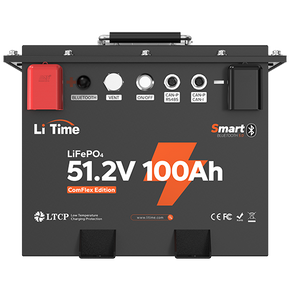
- Long-term protection on batteries: most new LiTime LiFePO4 batteries (12V, 16V, 24V, 36V, 48V, and 51.2V series above certain capacities) come with a 5-year limited warranty.
- Warranty that starts when you actually receive or install the product, based on proof of purchase.
- A straightforward 30-day return window for orders placed directly on the LiTime website or LiTime’s official Amazon store.
- A repair-or-replace commitment if a product fails due to a manufacturing defect within the warranty period, with additional coverage for repaired or replacement units.
In other words, you’re not just buying a battery — you’re choosing a brand that’s prepared to stand behind you for the long haul.
7. Smoke Alarm Battery FAQ
Q1. Smoke alarm battery replacement: How often should I replace my smoke alarm battery?
A1. For smoke alarm battery replacement, you should replace the battery at least once a year, even if the alarm hasn’t chirped yet. Test your smoke alarm monthly, and if the sound becomes weak or irregular, replace the battery sooner.
Q2. Smoke alarm still chirping: Why is my smoke alarm still beeping after a new battery?
A2. If your smoke alarm is still chirping after a battery change, common reasons include the device reaching its 8–10 year lifespan, corroded battery contacts, an incorrect or low-quality battery type, poor installation location, or dust and insects inside the sensor. Follow the troubleshooting steps in the earlier section to identify the cause.
Q3. Rechargeable batteries in smoke alarms: Can I use rechargeable batteries in a smoke alarm?
A3. Using rechargeable batteries in a smoke alarm is not recommended. Their voltage characteristics differ from alkaline batteries, they self-discharge faster, and many alarms cannot accurately detect their remaining charge. For reliable smoke alarm performance, stick to high-quality alkaline batteries.
Q4. RV smoke alarm safety: Does my RV need a smoke alarm and other detectors?
A4. RV smoke alarm safety is just as important as home safety. Your RV should have a working smoke alarm, and it’s also strongly recommended to install a carbon monoxide detector and a propane/gas leak detector. Avoid placing alarms too close to kitchens or AC vents to reduce false alarms.
Q5. False alarm troubleshooting: What should I do if my smoke alarm sounds but I don’t see smoke?
A5. For false alarm troubleshooting, don’t disable the alarm right away. First, check for steam or cooking smoke, dust or insects near the unit, or signs that the alarm is aging or failing. If false alarms continue even after cleaning and relocation, it may be time to replace the smoke alarm.
8. Final Thoughts: Real Safety Comes from Every Layer of Protection
To recap:
- Smoke alarms must be tested regularly and equipped with fresh batteries.
- A chirping alarm isn’t always a battery issue—it may be an aged or faulty device.
- A complete safety setup includes smoke alarms, CO detectors, and fire extinguishers.
- RV and off-grid living require a stable, deep-cycle power system.
- LiTime LiFePO4 batteries serve as the reliable “big battery” behind your essential devices.
When both your small battery and big battery are dependable, you give yourself—and the people you love—a truly safer home and a safer journey.

