




Hi, I'm Mr Muds from Mr Muds Ham Radio Time! I'm always exploring reliable communication and gear for life beyond the grid. Today, I’m tackling a common question: can you really run a 120V MIG welder off a 3000W inverter without issues?
The Challenge: I decided to find out. My goal: real-world welding using a MIG welder, a 3000W pure sine wave inverter, and a robust LiTime LiFePO₄ battery bank – completely off-grid.
The Verdict: Yes, It Works! (And here's how...)
The Off-Grid MIG Welding Setup: Key Components & Specs
- MIG Welder: Standard 120V MIG welder (approx. 90-140A output range)
- Power Inverter: 3000W Pure Sine Wave Inverter (with 6000W surge capability)

-
Battery Bank - The Powerhouse:
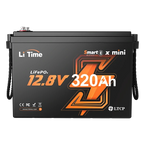
- Powered by LiTime 12V 230Ah LiFePO₄ Batteries
- Key Features: High-discharge rate, ultra-stable voltage, ideal for high-load applications.
- Critical Cabling: 2 AWG copper cables, kept short with securely crimped lugs.
- Cooling Strategy: Natural air circulation supplemented by fan cooling for both inverter and welder.

Why This Off-Grid Welder Setup Succeeded: A Technical Breakdown
Power Matching: Inverter Meets Welder Demand
The welder's peak power draw (around 2400 watts) is well within the inverter's continuous 3000W capacity (and 6000W surge).
The Importance of a Pure Sine Wave Inverter for Stable Arcs
MIG welders require clean, consistent voltage. A pure sine wave inverter provides this, preventing sputtering or surging during welding.
Leveraging the Welder's Duty Cycle for Lower Average Load
With a typical 10-30% duty cycle, the welder operates intermittently, giving the inverter and batteries recovery time and reducing the average load.
LiTime LiFePO₄ Batteries: Delivering Instant, Stable Power
The LiTime LiFePO₄ batteries used are crucial. Their ability to supply high current instantly with minimal voltage sag is key to handling the welder's demanding load.
Efficient Power Transfer: The Role of Proper Wiring
Short, thick (2 AWG) cables minimize voltage drop and resistance, ensuring maximum power reaches the welder. Read on Wire &Terminal Selection Guide to choose the right cable.
Smart Welding Practices for Success
Keeping weld beads short, respecting the welder's duty cycle, and monitoring equipment temperatures were essential for a successful outcome.
Important Considerations for Your Own Off-Grid Inverter Welding Setup
- Limitations: This setup is best for light to moderate tasks, not heavy structural welding or thick steel plate.
- Battery Consumption: Be mindful of battery drain. Extended welding requires a significant battery bank or a solar charging solution.
- Temperature Management: Ensure adequate airflow for both the welder and the inverter to prevent overheating.
Conclusion: Off-Grid MIG Welding is Achievable with the Right Gear & Approach
Off-grid MIG welding is definitely achievable with a carefully selected setup. Key factors include a properly matched inverter and welder, the clean power of a pure sine wave inverter, high-quality LiFePO₄ batteries like those from LiTime capable of high discharge, and attention to wiring and smart welding practices.
Join me, Mr Muds, on Mr Muds Ham Radio Time for more ham radio tips, off-grid setups, and outdoor adventures!


