





Lead-acid batteries contain highly corrosive diluted sulfuric acid electrolyte. If handled or maintained improperly, it can cause severe chemical burns or damage to equipment.
Whether you are maintaining deep-cycle batteries for golf cart, fishing, or RV, or replacing a starting battery, it is essential to understand the properties of lead-acid battery acid, the potential safety risks, and the proper emergency response measures.
In this post, we’ll answer the question, “Is Lead-acid battery acid harmful?” We’ll dive into the composition of Lead-acid battery acid, when you’re most likely to encounter it, the specific risks involved, and the proper techniques for prevention and safe handling.
Important Tips:
- The electrolyte inside a lead-acid battery is a diluted sulfuric acid solution with strong corrosive properties. Contact with skin can cause chemical burns. During charging, the battery may also release flammable and explosive hydrogen gas, which can even lead to medical emergencies.
- Safe handling, storage, ventilation, and protective gear are essential to prevent injuries caused by battery acid.
- If you accidentally come into contact with lead-acid battery acid, immediately rinse the affected area with plenty of clean water for at least 15 minutes. Seek medical help if it’s ingested.
Table of Content
- Part 1: What Is Battery Acid?
- Part 2: When Could You Contact With Battery Acid?
- Part 3: The Dangers of Battery Acid Exposure
- Part 4: Preventing and Treating Battery Acid Burns
- Part 5: Proper Disposal of Lead-Acid Batteries
- Part 6: Upgrade to the Safer, Acid-Free Battery Option
- FAQs about Battery Acid
Part 1: What Is Battery Acid?
Lead acid batteries serve many purposes. They power cars and RVs. These batteries have been common for years.
The chemical reaction in lead acid batteries is:
Pb + PbO2 + 2H2SO4 → 2PbSO4 + 2H2O
As the battery discharges, he sponge lead (Pb) at the negative plate and the lead dioxide (PbO₂) at the positive plate react with the sulfuric acid and water. This forms lead sulfate and releases electrons. These electrons flow from the negative terminal through the negative electrode to the load and back to the positive electrode.
During charging, the reverse reaction occurs. The charger converts electrical energy into chemical energy in the battery. This process transforms lead sulfate back into lead, lead dioxide and sulfric acid until the battery is fully charged.
Sulfuric Acid in Lead-Acid Batteries
Lead-acid batteries use sulfuric acid (H2SO4) as the main component of their battery acid. This acid is highly corrosive and can cause serious burns on contact with skin.
Sulfuric acid effectively drives the chemical reactions that generate electricity in these batteries. It is a hazardous substance itself, so it is essential to handle them carefully to avoid exposure to this dangerous substance.
Disposing of lead-acid batteries requires special care, as they are considered hazardous waste. It’s best to leave disposal to professionals or recycle them at auto parts retailers and battery stores. Following proper disposal procedures helps prevent exposure to sulfuric acid and its dangers.

Part 2: When Could You Contact With Battery Acid?
You might encounter battery acid whenever you use lead-acid batteries. This is especially true for flooded lead-acid batteries. These batteries are one of the most technologically mature and widely used power sources in the field. To keep them functioning well, you need to regularly unscrew the top filler caps to check the electrolyte level and add distilled water in a timely manner if needed. This maintains the acid at the right level.
Users of AGM batteries can also come into contact with acid. Although AGM batteries are sealed and don’t need water top-offs like flooded lead-acid batteries, they still contain harmful chemicals. If an AGM battery gets punctured or damaged, the acid can leak out. The same risk applies to traditional flooded lead-acid batteries as well.
Part 3: The Dangers of Lead-acid Battery Acid Exposure
Contact with lead-acid battery acid can result in severe health risks, such as skin damage, respiratory problems, internal injuries, and eye harm.
Let’s explore these hazards and their potential consequences.

The Dangers of Battery Acid on Skin
Contact with battery acid can cause severe injuries like chemical burns, permanent scarring, and contact dermatitis. The severity depends on the acid concentration and how long the skin is exposed.
To prevent skin contact, handle batteries carefully and wear protective gear, such as safety glasses and gloves.
Respiratory Issues
Inhaling battery acid fumes can cause various respiratory problems, including breathing difficulties, dizziness, and nausea. Extended exposure can lead to significant respiratory distress. Ensure proper ventilation when working with batteries to minimize these risks.
Ingestion Consequences
Ingesting battery acid can cause severe chemical burns to the mouth, throat, and esophagus, leading to intense pain, difficulty breathing, and even life-threatening injuries such as gastrointestinal perforation. If battery acid is ingested, do not induce vomiting and rinse the mouth immediately. Instead, contact the poison control hotline (800-222-1222) and seek immediate medical attention.
Eye Damage
If battery acid contacts your eyes, it can lead to severe pain, excessive tearing, eyelid spasms, redness and inflammation of the conjunctiva, and in severe cases, permanent vision damage or blindness.
Contact the poison control hotline (800-222-1222) for guidance.
Part 4: Preventing Battery Acid Burns
Preventing battery acid burns is vital for safety. Here are some tips:
Part 5: Proper Disposal of Lead-Acid Batteries
Proper disposal of lead-acid batteries is essential to save you personal injury and environmental pollution to battery acid. These batteries should be returned to a battery retailer or local hazardous waste collection program, not thrown in the trash or recycling bins.
By following proper disposal procedures, you can protect yourself and others from he hazards of chemical burns and heavy metal contamination, and is an essential step in fulfilling environmental protection responsibilities.
Part 6: Upgrade to the Safer, Acid-Free Battery Option
Modern battery technology has made great strides. No traditional corrosive acid required are now a reality. Lithium-ion batteries are fully sealed, this design keeps them maintenance-free and reduces hazards, making them much safer.
At LiTime, we create lithium iron phosphate (LiFePO4) batteries. These batteries are lighter and offer a 100% depth of discharge. They last significantly longer than lead-acid batteries. Plus, our batteries emit no harmful vapors under normal operating conditions. You can install them in multiple orientation, even in living spaces.
The Future of Battery Technology
Lead-acid batteries power cars, RVs, and boats. They can be safe when handled properly. However, they still pose many risks. You can avoid the dangers of battery acid by switching to lithium batteries.
LiTime lithium batteries leads the way in replacing traditional lead-acid options. We enhance life on the road, on the water, and off the grid. Our batteries provide lighter, safer, and more powerful energy storage.
Experience the freedom and switch to reliable power today!
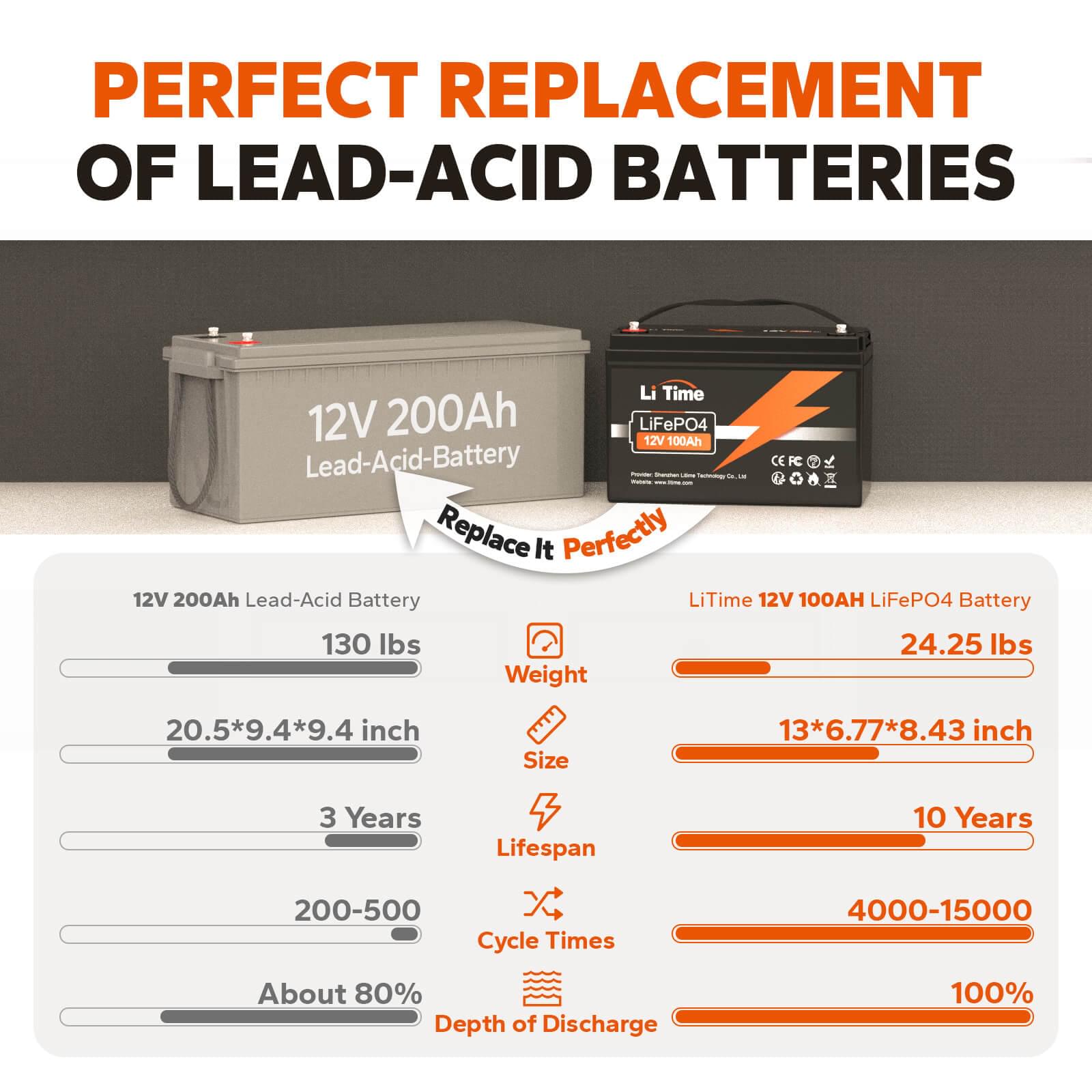
LiTime 12V 100Ah LiFePO4 Lithium Battery
FAQs about Lead-acid Battery Acid
1.Is it bad to touch a leaking battery?
Yes, it is poses safety risks to touch a leaking battery. Battery acid can cause skin irritation, chemical burns, and other health issues. If you come into contact with a leaking battery, immediately rinse the affected area with plenty of running water for at least 15 minutes, and use soap to assist with cleaning if available.
Avoid touching your face or eyes, and seek medical attention if irritation occurs. It's best to wear protective gear, such as acid- and alkali-resistant gloves and safety goggles, when handling batteries, especially if they appear damaged or leaking.
Related reading: Do Lithium Batteries Leak?
2. How do I clean up a battery acid spill?
Wear protective equipment before cleaning up. Use baking soda to neutralize the acid before cleaning up and carefully collect the neutralized material, disposing of it in accordance with local regulations.
3. Can battery acid harm the environment?
Yes, battery acid can contaminate soil and water, harming wildlife and ecosystems. Proper disposal and recycling of batteries are essential to minimize environmental impact.
4. How can I prevent battery acid leaks?
Store batteries in a cool, dry place, keep them upright especially for traditional flooded lead-acid batteries, and check for signs of damage or corrosion regularly. Avoid exposing them to extreme temperatures.
5. What should I do with old batteries?
Take old batteries to a recycling center or a hazardous waste facility. Never throw them in the regular trash, as they can leak harmful substances.


