

For American RV boondocking enthusiasts, a paired setup of solar panels and a lithium battery for RV is the cornerstone of off-grid camping freedom.
A complete RV solar and lithium battery upgrade can cost from about $1000 to $10,000 or more. Weekend systems may cost $1,000–$3,000, while high-capacity setups for extended off-grid living can reach $5,000–$10,000+.
Here, we itemize costs for RV LiFePO₄ batteries, photovoltaic panels, inverters, and labor, lay out three tiered budget plans, and calculate payback periods based on real long-term travel data, delivering an objective assessment of whether this retrofit aligns with your camping lifestyle.
-
1. Full Cost Breakdown of RV Off-Grid Solar & Lithium Systems
-
2. Three Tiered Budget Packages for Different Camping Enthusiasts
- 3. Is This Retrofit Worth the Investment? Three Core Evaluation Angles
- 4. Four Practical Strategies to Reduce Conversion Expenses
- 5. Final Takeaways
- 6. Frequently Asked Questions
Full Cost Breakdown of RV Off-Grid Solar & Lithium Systems
A complete standalone RV power system falls into four major cost categories, with RV LiFePO4 battery accounting for 40% to 50% of the total budget as the single largest expense.
1. LiFePO4 Battery for RV (Highest Cost Component)
Retail pricing for LiTime dedicated RV lithium units:
- 12V 100Ah: $200–$500 (entry-level)
- 12V 200-230Ah: $500–$700 (mid-tier upgrade)
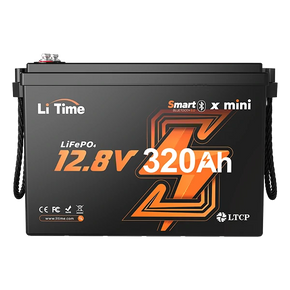
- 12V 320Ah+: $700–$1,000 (high-capacity full-time living model)
The correct capacity depends on how much energy your RV consumes each day and how long you want to camp without recharging.
| Battery Capacity | Nominal Energy | Suitable Use |
|---|---|---|
| 100Ah | About 1.28kWh | Weekend trips, lighting, fans, water pumps and small electronics |
| 200–230Ah | About 2.56–2.94kWh | Longer trips, refrigerators and moderate inverter use |
| 300–320Ah | About 3.84–4.10kWh | Regular boondocking and higher daily energy consumption |
| 400Ah+ | About 5.12kWh+ | Full-time RV living and frequent use of AC appliances |
Compared to premium competing brands, LiTime's lithium battery costs roughly 40% less for identical capacity. LiTime RV batteries feature an extended cycle lifespan, fully integrated BMS safety protection, and a 5-year manufacturer warranty, delivering a far lower total cost of ownership over years of use.
2. Solar PV Panels: $140–$1200+
Standard rigid monocrystalline panels cost $0.70–$1 per watt, while flexible roof-mounted solar panels, which are lighter and easier to install, carry a 30%–70% price premium.
Solar requirements should be based on energy consumption and available roof area:
| RV Type or Use Pattern | Suggested Solar Capacity | Estimated Panel Cost |
|---|---|---|
| Campervan or occasional weekend RV | 200–400W | $140–$400 |
| Mid-size RV used for regular boondocking | 400–800W | $280–$800 |
| Large RV or full-time off-grid setup | 800–1,200W+ | $560–$1,200+ |
The physical size of the RV affects how many panels can fit, but it does not determine the required wattage by itself. A small camper with high appliance use may need more solar power than a larger RV with modest electrical demand.
A simple estimate for solar capacity is:
Required Solar Watts = Daily Energy Use / (Peak Sun Hours × System Efficiency)
For example, a system consuming 2,000Wh per day would theoretically require about 500W of solar with five peak sun hours and 80% overall efficiency. Additional capacity may be needed in cloudy conditions or during winter.
3. Inverters & Charge Control Hardware: $500–$2,500+
An RV system may also require:
- An MPPT solar charge controller: $100–$500
- A DC-DC charger: $150–$500
- Pure sine wave inverters: $150–$1,000+
- An inverter-charger for combined charging and AC output: $500–$2,000+
Choose an MPPT controller according to the solar array's voltage, current and total wattage. A 30A controller can support many smaller 12V solar systems, while larger 600–800W arrays may require a 60A controller, depending on the panel configuration.
When paired with LiTime MPPT charge controllers, the array operates at the maximum power point for efficient lithium RV battery charging, boasting a tracking efficiency of no less than 99% and peak conversion efficiency up to 98%.
The inverter should be selected according to the maximum simultaneous AC load:
- 1,000W: laptops, televisions and other light AC loads
- 2,000W: coffee makers, small microwaves and common RV appliances
- 3,000W+: larger or multiple high-power appliances
The battery BMS, cables, fuses and busbars must also support the inverter's current draw. A DC-DC charger is particularly useful for RV owners who need to recharge while driving or who frequently travel in areas with limited sunlight.
4. Auxiliary Materials & Installation Labor: $600–$1700+
Cabling, fuses, mounting brackets, sealant and other accessories range from $100–$200. Professional retrofit labor costs $500–$1,500.
LiTime's complete DIY kits come pre-packaged with all required auxiliary parts, removing the hassle and compatibility risks of sourcing individual components separately. Owners with basic mechanical skills can handle full self-installation to eliminate labor fees entirely.
The exact parts of a complete RV solar battery system depend on whether the system will charge from solar only or also from the alternator and shore power. Refer to LiTime's guide to the basic components for a DIY RV camper solar system before preparing a complete parts list.
Three Tiered Budget Packages for Different Camping Enthusiasts
Entry-Level Package ($1000–$2000 | Occasional Weekend Campers)
Ideal Use Case: 1–2 short camping trips per month, powering only lighting, RV refrigerators, and small electronics with no high-draw appliances (air conditioners, microwaves, etc.).
Recommended Configuration :
- Single LiTime 12V 100Ah LiFePO4 battery for RV
- 200-400W solar array
- 30A MPPT controller
- 1,000W inverter or a DC-only system
- full accessory kit
Recommended LiTime Battery Kit: The 12V 100Ah Xtra Mini DIY Kit includes a compact battery, 30A MPPT controller, 1000W inverter, 150A breaker and 4AWG cables. Pair it with a separately purchased 200–400W solar array for a practical weekend RV system.

Solar energy harvested during the day stores in the lithium RV battery to sustain overnight power needs, cutting hundreds of dollars in campground hookup fees annually.
Mid-Tier Package ($2,000–$5,000 | Regular Boondocking Travelers)
Ideal Use Case: 30+ days of off-grid camping each year.
Recommended Configuration:
- LiTime 12V 230Ah lithium battery
- 400W-800W solar array
- 60A MPPT controller
- 3000W pure sine wave inverter
- DC-DC charger
This setup easily powers electric kettles and compact induction cooktops, removing reliance on gas generators even on overcast days.
Recommended LiTime Kit: The 12V 230Ah DIY Kit includes a 230Ah battery, a 30A MPPT controller, a 2000W inverter, a 40A AC charger, a 250A breaker, and cables. It is a balanced starting point for regular RV travel; users requiring 400Ah storage or 3000W output will need to expand the system.
Premium Full Off-Grid Package ($5,000–$10,000 | Year-Round Full-Time RV Living)
Ideal Use Case: Permanent year-round RV residency, travel in cold, rainy, low-sunlight regions, and occasional operation of rooftop air conditioning.
Recommended Configuration professionally installed:
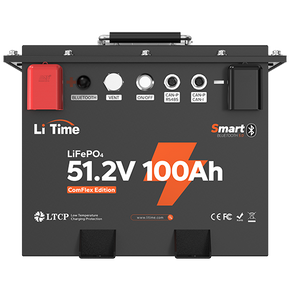
- 48V 300Ah+ high-capacity LiFePO4 battery for RV bank
- 600w-1200W solar panel array
- 5000W all-in-one inverter-charger-controller unit
- Multiple charging sources
- Complete monitoring and circuit protection
This system can significantly reduce reliance on paid campground hookups and generators, maintaining stable power output, and is suitable for full-time RV travelers with higher off-grid power demands.
Is This Retrofit Worth the Investment? Three Core Evaluation Angles
1. Financial Payback Analysis
Most U.S. RV campgrounds charge $30–$60 per overnight stay with full water and electrical hookups. Campers who spend 30 days off-grid each year save $900–$1,800 annually in hookup fees alone. Actual savings would have been lower if the owner had chosen free camping regardless of the upgrade.
Traditional lead-acid deep cycle batteries for RV require replacement every 2–3 years, while LiTime's RV lithium battery delivers a 10-year service life, erasing recurring battery replacement costs.
Calculations show mid-tier complete solar-lithium systems achieve full payback within 1–5 years for owners logging 30+ annual boondocking days. For those who only camp occasionally, the payback window stretches far longer, making the upgrade more of a lifestyle investment than a strict money-saving measure.

2. Camping Experience Improvements
Solar and lithium RV battery setups operate silently with no generator noise, granting access to remote boondocking spots in national parks, lakeshores and undeveloped wilderness zones.
LiTime's Bluetooth-enabled LiFePO4 battery for RV lets owners monitor real-time remaining power levels via smartphone, eliminating the need to physically open battery compartments to check charge status—creating a more relaxed, hassle-free off-grid lifestyle that cannot be quantified in pure monetary terms.
3. RV Resale Value Boost
On the used RV market, a fully integrated solar and lithium power system is a major selling point that drives higher resale offers. Pre-owned vehicles equipped with complete lithium battery storage systems command price premiums. Since lithium RV batteries retain most of its service lifespan through the RV's ownership cycle, the power system does not depreciate alongside the vehicle itself.
Four Practical Strategies to Reduce Conversion Expenses
1. Phased Upgrades
Start by swapping out old lead-acid storage for a lithium RV battery first, then add solar panels later once your budget allows, avoiding a single large upfront payment.
2. Purchase Complete Pre-Bundled Kits
LiTime's all-in-one solar and lithium battery for RV DIY packages bundles batteries, controllers, inverters, and accessories at a discounted bundled rate unavailable when buying components separately, while guaranteeing full hardware compatibility. Solar panels are purchased separately.
3. Complete Self-DIY Installation
Follow official installation guides to wire and mount the system independently, saving $500 or more in professional installation labor costs.
4. Size Components to Your Actual Power Draw
Avoid overspending on oversized battery banks. Select the matching LiTime LiFePO4 battery for RV capacity based on your average daily power consumption to eliminate unnecessary spending on excess storage.
Final Takeaways
A solar plus lithium RV battery retrofit is not a mandatory RV modification, yet it delivers exceptional value for U.S. travelers passionate about off-grid boondocking.
Budget-conscious owners can opt for LiTime's entry-level battery kit for RV packages and roll out upgrades in phases, while sub-full-time long-term travelers, like boon-dockers, will benefit most from the mid-tier complete system bundle. For owners with minimal off-grid travel frequency, consider upgrading only to a lithium RV battery first and delaying solar panel installation to align with your budget and travel habits.
Read More:
How to DIY a Solar Power System?
Which Parts of the U.S. Are Best for DIY Solar Generators?
10 Basic Components for DIY RV Camper Solar System
RV Lithium Battery Guide: Complete Buying & System Upgrade Tips
The Ultimate RV Inverter Installation Guide | Step by Step
Frequently Asked Questions
How long does a solar and lithium RV battery retrofit take to pay for itself?
Owners who camp off-grid frequently (30+ days per year) see full payback within 1–5 years. If you only take a handful of short trips annually, the payback timeline extends past 8 years—this upgrade is better suited for travelers prioritizing camping comfort over cost savings. Start with LiTime's entry-level lithium RV battery kit to minimize initial investment.
Is upgrading to a lithium RV battery without installing solar panels a viable option?
Absolutely. Simply replacing lead-acid units with a LiTime LiFePO4 battery for RV immediately resolves common lead-acid pain points: limited usable capacity, excessive weight and short service life. Many RV owners opt for this single-step upgrade first, then add solar panels down the line for a low-pressure, gradual modification plan.
How much does a complete RV solar and lithium upgrade cost?
A complete system commonly costs $1,000–$10,000+, depending on battery capacity, solar wattage, inverter size and labor. Battery kits may start below this range because solar panels and installation are often sold separately.
How much solar does an RV need?
Weekend systems often use 200–400W, while regular boondocking systems may need 400–800W. Full-time RVs can require 800–1,200W or more, depending on daily energy use and roof space.
Can RV solar and lithium batteries run an air conditioner?
Yes, but air conditioners require a large battery bank, sufficient inverter output and strong charging capacity. Runtime depends on the air conditioner's draw, battery capacity, weather and other loads.
Can I replace an RV lead-acid battery with lithium directly?
Not always. Check the existing converter, charging voltage, alternator circuit and low-temperature charging protection before making the replacement.
Will mixing different brands of batteries and controllers raise long-term costs?
It very well may. Hardware from different manufacturers often has mismatched electrical parameters, which can trigger incomplete charging, abnormal voltage fluctuations and persistent system faults—all of which lead to unplanned repair and replacement expenses. Specifying a full matching LiTime lineup of Lithium Battery for RV, controllers and inverters ensures seamless system coordination, includes unified official technical support, and cuts long-term maintenance overhead.
