


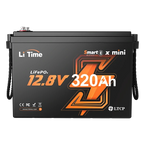


Since late April 2026, Dallas, Houston, and other areas in Texas, USA, have been hit by four consecutive days of thunderstorms, hailstorms, and tornadoes. Official data from Houston shows 237 power outage locations, affecting more than 4,200 households. Northern Texas suffered tornado damage to power infrastructure, leaving tens of thousands of residents without electricity for extended periods.
Grid failures caused by extreme weather do not just leave homes in the dark—they directly threaten food preservation, medical device operation, remote work, and internet connectivity. Against this background, LiFePO4 battery backup for home power outage has become the reliable foundation for more and more families to handle unexpected blackouts.
Part 1: Why You Need Home Emergency Backup Power?
In recent years, extreme weather events have increased worldwide. Regions including Texas, Florida, and California face frequent grid failures caused by thunderstorms, hurricanes, heatwaves, and cold snaps every year. Taking the April 2026 Houston power outage as an example:
- Outages were concentrated in the southwest and western parts of the city, impacting over 4,200 households;
- Tornadoes toppled power poles and lines, leaving some areas without power for hours or even days;
- Traditional gas generators are noisy, require constant fuel refills, produce toxic fumes, and often face fuel shortages during severe weather.
For households, long-term power loss means spoiled food in refrigerators, disabled electronic medical devices, disconnected phones and internet, interrupted remote work, and halted online learning for children. Traditional backup power sources have critical limitations that fail to meet modern household safety and comfort standards.
Gas generators are loud, emit dangerous fumes, and carry a risk of carbon monoxide poisoning—they cannot be used indoors or in enclosed spaces. They also require stored fuel, which often becomes unavailable during disasters. Lead-acid batteries are bulky, heavy, short-lived (only 2–3 years), need frequent maintenance, offer limited runtime, and are easily damaged by deep discharges, resulting in higher long-term costs.
Traditional systems are also complex to operate and unstable, making them unsuitable for long-lasting, high-safety home emergency scenarios. For these reasons, more families are switching to a safer, more stable, and easier-to-use solution: LiFePO4 home emergency battery backup.

Part 2: What Is Home Emergency Backup Power?
2.1 Home Backup Power System Definition
A home emergency backup power system is an energy storage device that automatically or manually switches on to supply consistent power to critical household appliances when the grid fails. It mainly consists of a battery pack and an inverter. The system stores energy from grid power or solar panels during normal operation, and instantly converts DC battery power into usable AC household power during outages, providing safe and silent emergency electricity.
2.2 Purpose & Applications of Home Backup Power
The core purpose of home backup power is to maintain basic living standards and safety during blackouts. Main applications include:
- Keeping refrigerators running to avoid food spoilage and financial loss;
- Maintaining power for Wi-Fi routers, phones, and computers to ensure connectivity;
- Supplying lighting and security cameras to improve home safety;
- Powering small medical devices such as oxygen concentrators and ventilators;
- Running air conditioners, fans, and heaters to survive extreme temperatures.
2.3 Types of Home Backup Power
There are three main categories of home backup power, each designed for different scenarios:
- Portable Emergency Power Station: Lightweight, movable, and plug-and-play. Typical capacity ranges from 0.5–3kWh, ideal for apartments, small homes, and short outages to support basic loads like refrigerators, lights, and phone charging.
- Whole-Home Battery Backup System: High-capacity, installable, and expandable from 3–20kWh or more. It can cover essential home circuits and power heavy-duty appliances such as air conditioners and water heaters, suitable for large spaces and long-duration outages.
- UPS (Uninterruptible Power Supply): Usually an integrated system with built-in batteries and inverters. It is mainly used for computers, routers, modems, medical devices, and other sensitive electronics to prevent data loss, disconnection, or safety risks from sudden power cuts.
Part 3: Why LiFePO4 Batteries Are the Top Choice for Home Emergency Backup?
3.1 Advantages of LiFePO4 Home Emergency Backup Batteries
Lithium Iron Phosphate (LiFePO4) batteries are the modern standard for home backup power. Compared with lead-acid batteries, ternary lithium batteries, and gas generators, they provide four core advantages:
- Higher Safety: Stable chemical structure, heat-resistant, and low risk of fire or explosion. Safe for indoor, garage, and balcony use.
- Longer Service Life: Cycle life of 4,000–15,000 cycles, supporting 10+ years of reliable use—far exceeding the 2–3 year lifespan of lead-acid batteries.
- Better User Experience: Silent operation, zero emissions, no fuel needed, no fumes, and no disturbance to family or neighbors.
- Stronger Expandability: Supports parallel battery expansion, works with solar panels, and can be charged directly from grid power, adapting to any household need.

3.2 How LiFePO4 Batteries Handle Major Outages Like the April 2026 Texas Storm
During the multi-day blackouts across Houston and Dallas in April 2026, LiFePO4 backup power delivered complete protection:
- Daily Life Support: Continuously powers refrigerators to prevent meat, vegetables, and frozen goods from spoiling.
- Communication & Work: Keeps routers, computers, and phones online so remote work, online learning, and communication remain uninterrupted.
- Medical & Safety: Supports oxygen concentrators, ventilators, security cameras, and emergency lighting.
- Extreme Weather Resilience: Can be fully charged in advance. Stable output during thunderstorms, tornadoes, and heavy rain with no need to go out for fuel.
- Easy Operation: Simple enough for children and the elderly. Many models support APP monitoring for real-time battery level and power usage.
Part 4: How to Choose a Lithium Battery for Your Home Backup?
4.1 How to Select the Right Capacity for Home Backup
Choose based on actual household needs:
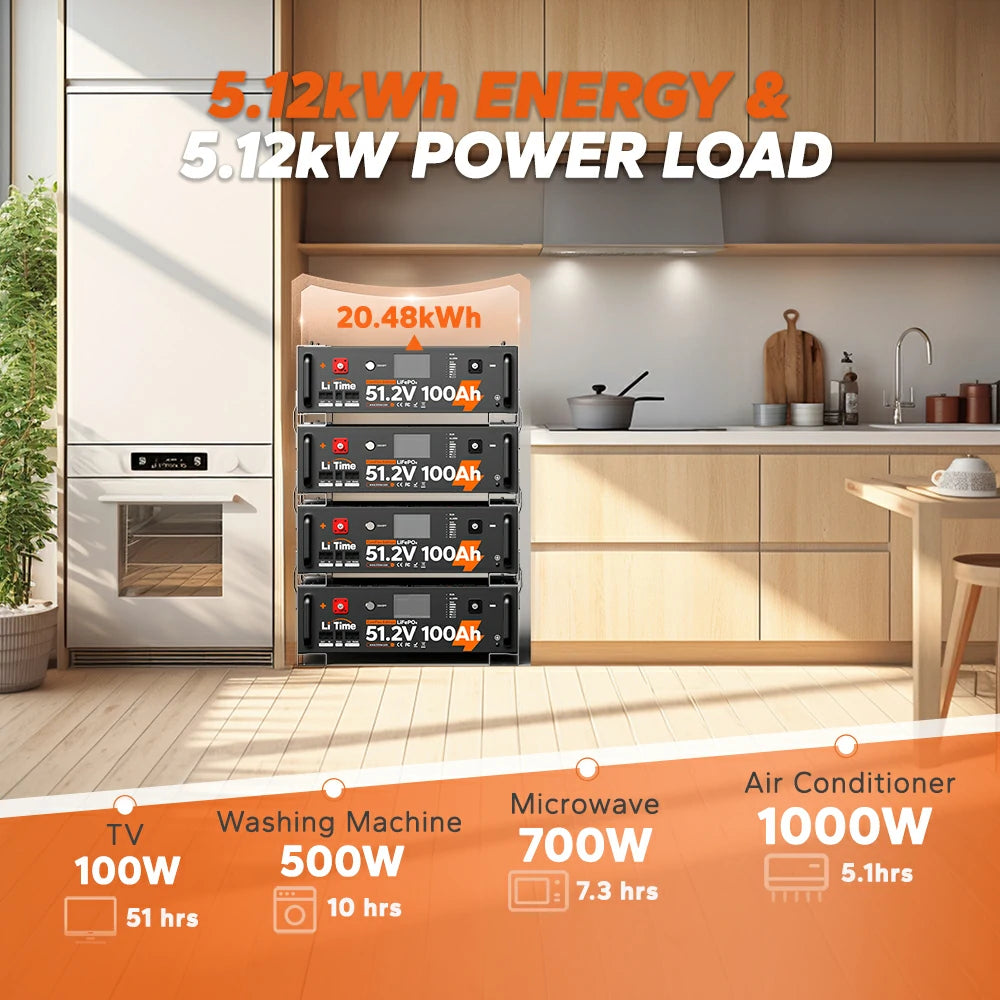
- 0.5–3kWh: Best for small homes or apartments. Supports fridge, router, lights, and phone charging. A 3kWh unit can run basic loads for about 24 hours; 1kWh works for shorter backup.
- 3–5kWh: The most popular choice for average families. Powers fridge, internet, lights, and small medical devices, easily handling 2–3 day outages.
- 5–10kWh: Supports heavy appliances like water heaters and microwave ovens. Ideal for long blackouts or households with elders and patients.
- 10kWh+: Whole-home backup capable of supporting off-grid living for multiple days.
4.2 General Cost of Home Backup Power
- Entry Level (0.5–3kWh): Budget-friendly, roughly $150–$800, suitable for short-term emergencies.
- Standard Home Level (3–5kWh): Best value, about $800–$1,800, covering most household emergency needs.
- Whole-Home Premium (10kWh+): One-time investment for long-term use, around $2,500–$8,000. Lasts 10+ years with lower overall cost.
Overall, LiFePO4 batteries represent a one-time investment that lasts a decade with no frequent replacements. They are cheaper in the long run than lead-acid batteries and gas generators.
Part 5: FAQ About LiFePO4 Home Backup Batteries
Q1: Can LiFePO4 home battery systems power heavy loads like air conditioners and electric water heaters?
A: Yes, when matched with the correct inverter size. Most home backup LiFePO4 systems use 1000W–3000W inverters. A 3000W inverter can run up to 18,000 BTU air conditioners and small electric water heaters. We recommend choosing an inverter rated at least 1.2x your total load to avoid overload.
Q2: How long can a LiFePO4 battery power my home during an outage?
A: Runtime depends on battery capacity and connected load. For example, a 3.84kWh battery can run a 50W refrigerator for about 76 hours, or a 300W mixed load (fridge + router + lights) for roughly 12 hours. Parallel battery expansion can double or triple runtime as needed.
Q3: Do LiFePO4 batteries require regular maintenance? Can they be used in wet and rainy areas?
A: High-quality residential LiFePO4 batteries feature an IP65-rated enclosure, making them resistant to humidity and light rain—perfect for wet climates like Texas and Florida. They are nearly maintenance-free. Simply store in a ventilated area, keep battery level around 50% during long-term storage, and recharge every three months.
Q4: Can home battery backup work without solar panels?
A: Absolutely. The system can be fully charged using standard household grid power. It switches automatically or manually during outages and provides reliable emergency power without any solar installation.
Conclusion
The extreme blackouts in Houston, Texas in April 2026 once again highlighted the importance of home power security. Grid failures caused by extreme weather are shifting from rare incidents to daily risks for families worldwide. LiFePO4 home battery backup systems have become the most reliable solution thanks to their high safety, long life, silent eco-friendly performance, and flexible expandability.
LiTime LiFePO4 battery specializes in high-safety, long-life energy storage products sold across North America, Europe, Japan, and Australia, with over 2 million global users. All LiTime products use automotive-grade LiFePO4 cells and intelligent BMS, with CE, RoHS, and FCC certifications. They deliver 4,000–15,000 cycles and a 10-year service life, perfectly suited for home backup and solar energy storage.
For households in regions prone to extreme weather, investing in a quality LiFePO4 backup power system is more than just preparation for blackouts—it is a long-term investment to protect family life and reduce disaster losses. Until grid power is restored, it provides your home with a stable "power safety umbrella," keeping you calm and secure even during thunderstorms, hurricanes, and other severe weather conditions.


