


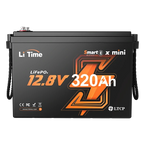


Choosing between a Group 24 and a Group 27 battery comes down to a simple trade-off: size and capacity versus cost and space. In short, a Group 27 battery is physically larger, heavier, and holds more power (higher amp-hours), giving you longer runtimes. In contrast, a Group 24 battery is smaller, lighter, and more budget-friendly, making it ideal for applications with lower power needs and tight spaces.
The critical takeaway is that these batteries are not always interchangeable. A Group 27 battery will not physically fit in a tray designed for a Group 24. Group 24” and “Group 27” are BCI group sizes—they primarily describe a battery’s physical case dimensions and terminal layout, not a fixed capacity rating. BCI group sizes do not standardize amp-hours (Ah), so actual capacity can vary by brand, model, and chemistry.This guide breaks down the key differences to help you decide which is right for your boat, RV, or off-grid system.
Table of Content
What is a Group 24 Battery?
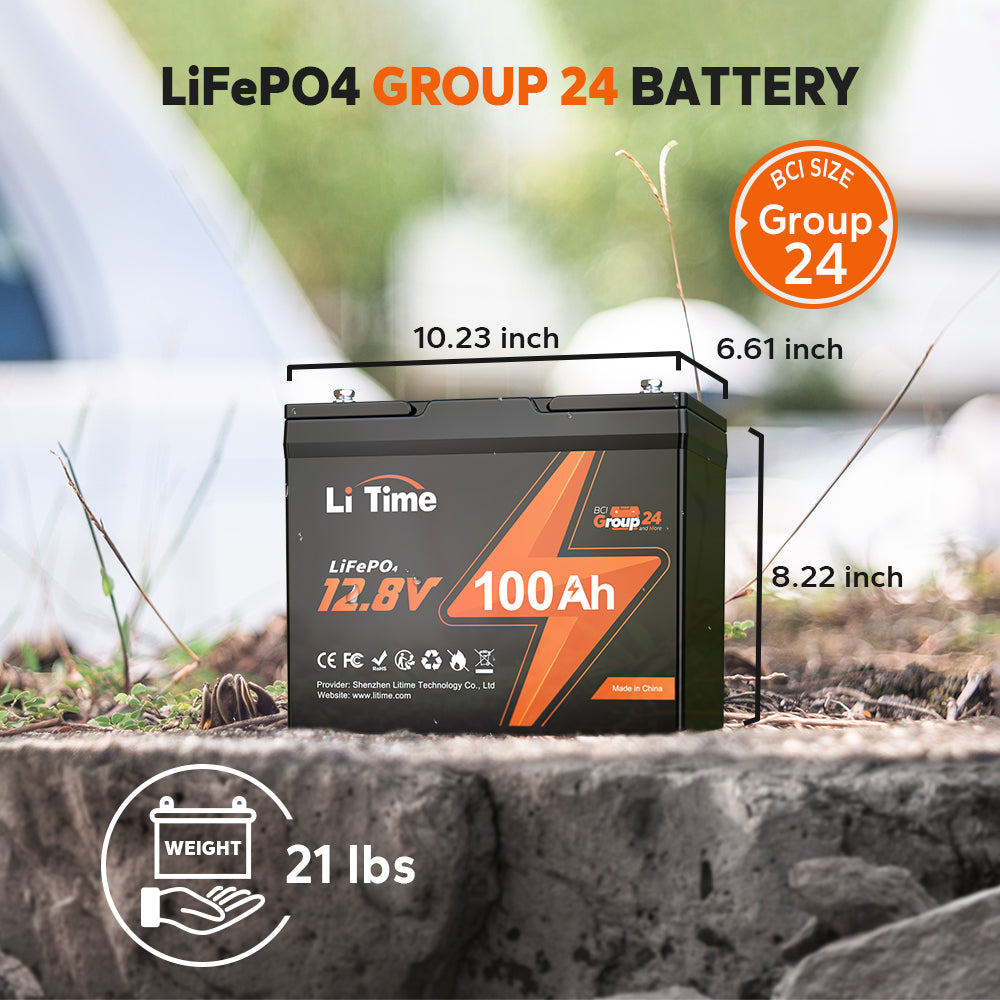
A BCI Group 24 battery refers to a lead-acid battery that meets the Battery Council International (BCI) Group 24 size standard in the U.S. Its typical physical dimensions are approximately 260 mm (10.25") L × 173 mm (6.8") W × 225 mm (8.9") H, though exact measurements may vary slightly by brand.
What is a Group 27 Battery?

Key Differences: Group 24 vs Group 27
1. Size and Dimensions
- Group 24: 10.25" L x 6.8125" W x 8.875" H.
- Group 27: 12.0625" L x 6.8125" W x 8.875" H.
The two batteries are identical in width and height. However, the Group 27 battery is longer, making it too large for some compartments designed for Group 24 batteries. If you have a battery compartment for Group 27, it should fit a Group 24 battery, but not the other way around.
2. Capacity
Group 27 batteries have a higher capacity, meaning they provide more power. The higher the group number, the more amp hours a battery can store. Group 24” and “Group 27” are BCI group sizes—they primarily describe a battery’s physical case dimensions and terminal layout, not a fixed capacity rating. BCI group sizes do not standardize amp-hours (Ah), so actual capacity can vary by brand, model, and chemistry.
3. Chemistry
Both Group 24 and Group 27 batteries come in a variety of chemistries, including:
- Sealed Lead Acid (SLA)
- Absorbent Glass Mat (AGM)
- Gel
- Flooded Lead Acid (FLA)
- Lithium
Lead-acid batteries are cheaper, but lithium batteries last longer and are more environmentally friendly.
4. Cost and Value
Typically, for lead-acid batteries, a Group 24 option is often more budget-friendly because it tends to be smaller and may offer lower capacity, while a Group 27 option may cost more and can provide more capacity and runtime. However, this does not always apply to lithium batteries. For example, our Group 24 and Group 27 12V 100Ah batteries have the same capacity, so the choice is mainly about physical fitment and chemistry rather than capacity differences.
5. Common Applications
Group 24: Often used in:
- Backup power systems
- Large UPS systems
- Medical devices like wheelchairs
- Security and industrial applications
They’re also suitable for use as starting or cranking batteries for small engines.
Group 27: Used in
- Off-grid setups
- RVs
- Boats
- Automotive applications
- Backup power systems
These batteries are ideal for applications requiring more power and longer-lasting performance.
At a Glance: Group 24 vs. Group 27
| Feature | Group 24 Battery | Group 27 Battery |
|---|---|---|
| Dimensions | ~10.25"L x 6.8125"W x 8.875"H | ~12.0625"L x 6.8125"W x 8.875"H |
| Capacity (Ah) | Lower (e.g., 70-85 Ah) | Higher (e.g., 85-110+ Ah) |
| Cost | More affordable | Higher upfront cost |
| Best For | Limited space, moderate power needs, medical devices. | Long runtimes, high power demands, larger RVs, boats, off-grid systems. |
Which Battery Should You Choose? 3 Simple Steps
Making the right choice is easy if you follow these steps:
- 1. Measure Your Battery Compartment First: This is non-negotiable. Physically measure the length, width, and height of your battery tray. If you have a space designed for a Group 24, a Group 27 battery will not fit. This single step can save you from a costly mistake.
- 2. Assess Your Power Demand: How much energy do you need? For systems with moderate power needs, like running basic electronics or as a backup, a Group 24 is sufficient. If you need to power high-drain appliances, a trolling motor for an extended period, or live off-grid, the higher capacity of the Group 27 is the clear winner.
- 3. Consider Your Budget vs. Needs: Is the higher cost of a Group 27 justified for your use case? If you frequently run out of power with a smaller battery, the upgrade is worthwhile. If your current setup works fine and space is limited, the more affordable Group 24 is the smarter financial choice.
Upgrade to a Lithium Group 24 / 27 Battery for Better Performance
If you want to improve your power system, upgrading to a Lithium Group 24 or 27 battery is a smart move. Lithium batteries offer many benefits over traditional lead-acid ones. Whether you’re using them in an RV, boat, or backup system, switching to lithium can enhance your experience. Here’s why:
1. Longer Lifespan
Lithium batteries last far longer than lead-acid. A typical Group 24 lead-acid battery lasts 2-3 years. In contrast, a Lithium Group 24 can last 10 years or more with proper care. This means fewer replacements and lower long-term costs.
2. More Power, Less Weight
Lithium batteries are more energy-dense than lead-acid. They offer greater energy whilst being smaller and lighter. In an RV or boat, this means longer trips with less weight to carry. They also charge faster, so you can hit the road or water sooner.
3. Faster Charging
Lithium batteries charge quickly. A Group 24 lead-acid might take hours to recharge, but a Lithium Group 24 can be fully charged in as little as one hour.. This keeps your devices running without long waits.
Related reading: Best Ways to Charge LiFePO4 Lithium Battery
4. Better Performance in Cold
Lithium batteries typically perform better in extreme temperatures. In cold weather, lead-acid batteries can lose around half of their usable capacity, while lithium batteries often lose only about 10–20%. As a result, lithium batteries deliver more consistent power in freezing conditions—making them a strong choice for winter camping, boating, and off-grid living.
Suggest reading: Do Lithium Batteries Freeze?
5. Built-in Safety Features
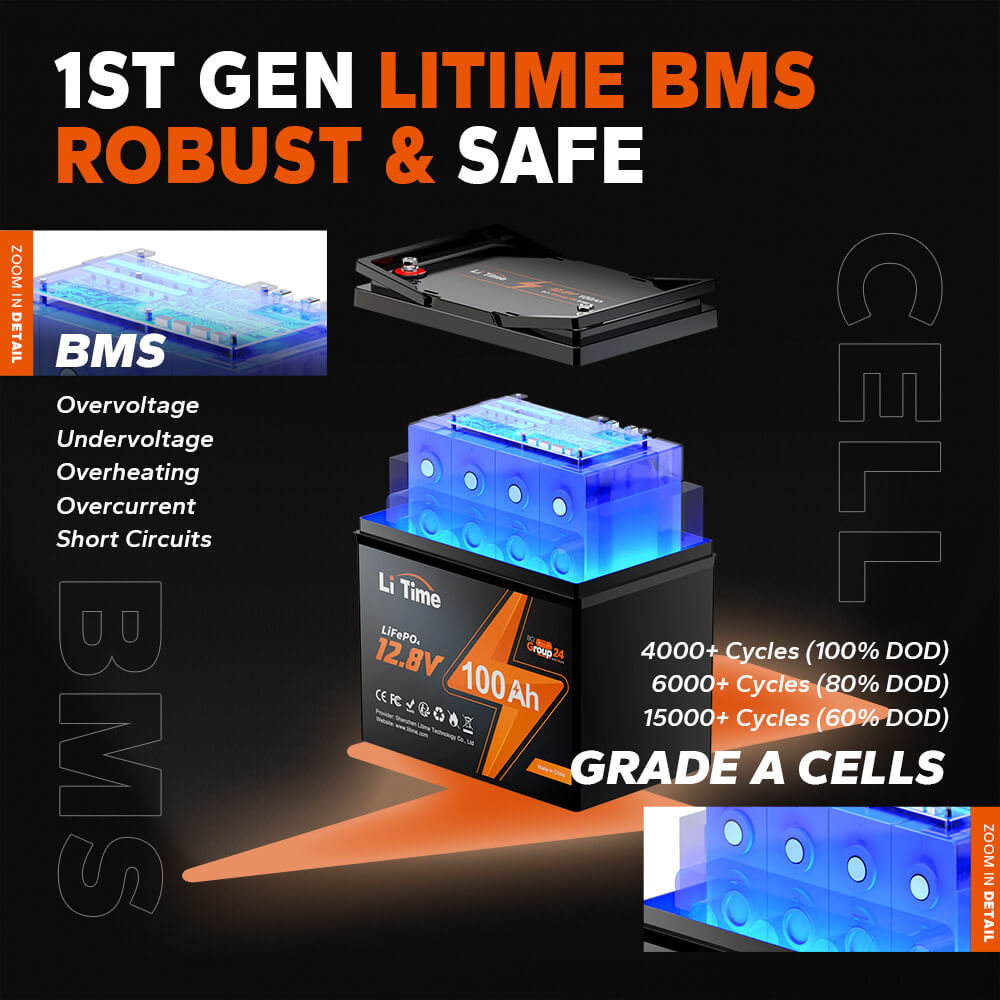
All lithium batteries include a built-in Battery Management System (BMS). The BMS provides protection against overcharge, over-discharge, overcurrent, high-temperature conditions, and short circuits. This maintains the battery secure and extends its life. Plus, you don’t have to worry about maintenance problems like acid spills or corrosion, which are common with lead-acid batteries.
6. Environmentally Friendly
Lithium batteries are eco-friendly. They don’t contain harmful chemicals. By upgrading to a Lithium Group 24, you’ll reduce your carbon footprint and help the planet.
7. No Maintenance Needed
Lithium batteries require little to no maintenance. Unlike lead-acid batteries, which need regular checks (like water levels or terminal cleaning), lithium batteries just work. Once installed, they’re almost maintenance-free, saving you time and effort.
Why Choose LiTime 12V Group 24 Lithium Battery?
When upgrading from a traditional lead-acid battery, LiTime’s 12V Group 24 lithium battery delivers higher usable capacity, lighter weight, and a much longer service life—making it ideal for RVs, boats, and backup systems that run every day. To make the switch easier, LiTime often offers attractive promotions such as seasonal Black Friday Deals and exclusive discounts for new users through New User Benefits, so you can step into lithium power with a more friendly upfront cost.
LiTime also focuses on long-term support after you install the battery. Practical resources like detailed User Manuals and step-by-step How-to Videos
help you set up and use your system correctly, while the clear Warranty Policy
and responsive Contact Us /Sale Supportpages give you peace of mind if questions come up later. Real-world feedback on the All Reviews page shows how other RVers, boaters, and off-grid users are getting more runtime and reliability from their LiTime Group 24 and Group 27 lithium batteries.
FAQs about Group 24 VS Group 27 Battery
Q1: Can Group 24 and Group 27 Batteries Be Interchanged?
A1: While Group 24 and Group 27 batteries have different sizes, they may still be interchangeable depending on your vehicle or system’s available space. Group 27 batteries are larger but deliver more power. If size isn’t an issue, you can use a Group 27 battery in place of a Group 24. However, check your system’s requirements to ensure compatibility.
For more information about different group size battery, can click on Group 24 VS Group 31 Deep Cycle Battery for more reading.
Q2:Which is Better? Group 24 or Group 27?
A2: Neither is "better"—it depends entirely on your needs.
- Choose Group 27 if you need maximum runtime and have high power demands (e.g., large RVs, boats, off-grid).
- Choose Group 24 if you have limited space, moderate power needs, or a tighter budget (e.g., medical devices, smaller backup systems).
Q3: Can I Mix Group 24 and Group 27
A3: No. Mixing 24 and 27 battery packs is not recommended due to potential installation and performance issues. While voltage compatibility exists, size mismatches may affect overall efficiency and safety. Following proper installation procedures and consulting manufacturer guidelines will ensure optimal battery setup and minimize risk.
To mix or connect the battery in series or in parallel, LiTime suggest that
- The batteries must be of the same capacity (Ah) and have the same Battery Management System (BMS) rating (A) for lithium batteries.
- They should be from the same brand, as different brands of batteries have different BMS configurations or battery cells.
- It is best to buy them within a similar time frame, preferably within a month.
Q4:Do Group size numbers affect charging speed?
A4: Group size itself does not affect charging speed. Charging speed depends on chemistry and BMS limits. For example, LiTime Group 24 lithium batteries support faster charging than traditional lead-acid Group 24 or 27 batteries, regardless of physical size.
Conclusion
When choosing between Group 24 and Group 27 batteries, consider the size, power requirements, and application of your system. Group 27 batteries offer more power and are ideal for larger systems. However, Group 24 batteries are more compact and work well for smaller devices and backup power solutions.
If you're ready to experience the benefits of lithium power, consider upgrading to a Lithium Group 24 battery. Whether you're replacing an old lead-acid battery or setting up a new system, this upgrade will take your power experience to the next level. Reach out to the LiTime team for more information on how our Lithium Group 24 batteries can improve your setup.


