


Einstein once said, “The eternal mystery of the world is its comprehensibility.” In Yellowstone, that mystery feels physical—reckoned in heat and sheer expanse. Heat rises from deep below, threading fissures and faults. Underground water warms and pressurizes, then escapes as steam—lifting, condensing, returning to earth. Beneath it all, there is energy.

Exploring Yellowstone in an RV
Yellowstone is unlike any other national park. Between November and April, snow closes most roads, often leaving only the Lamar Valley corridor open. Even in summer, a single storm, wildfire, or bison jam can change your plans instantly.
- Grand Loop Road is generally RV-friendly, but side routes like Firehole Lake Drive and Blacktail Plateau are narrow and may be unsuitable for large rigs.
- Steep passes such as Sylvan and Dunraven require careful driving; the Beartooth Highway is challenging for giants.
- Always check your RV’s length, height, and weight against posted restrictions; use low gear on long descents to reduce brake wear.

Yellowstone RV Campgrounds and Reservations
Camping in Yellowstone is a mix of beauty and logistics. Know where hookups exist, how far in advance to reserve, and what sites suit your rig.
Campgrounds with Hookups
Fishing Bridge RV Park is the park’s only campground with full hookups. Most other major sites limit length and have little or no shore power.
Popular RV-Friendly Sites
- Madison, Canyon, Bridge Bay, Grant, and Mammoth welcome RVs but enforce length caps.
Booking Windows and Tips
Xanterra-managed campgrounds often open ~13 months ahead; Recreation.gov openings are typically closer to six months. From May through September, many sites fill within minutes—book to your RV's true length and set calendar reminders for release windows.

RV Power Solutions in Yellowstone
Away from Fishing Bridge, shore power is rare—plan to be self-sufficient. Power in Yellowstone usually comes from a mix of solar panels, alternator charging, and small generators.
Solar
Long summer days help but lodgepole pine shade and afternoon storms can reduce solar output dramatically—sometimes to a third of rated capacity. When shaded or cloudy, rely on alternator or generator charging.
Generators
Generators provide dependable top-up power but are subject to campground quiet hours and drop efficiency at high altitudes (roughly 3–4% less output per 1,000 ft elevation). Keep maintenance, fuel, and noise rules in mind.
LiFePO4 Batteries vs Lead-Acid
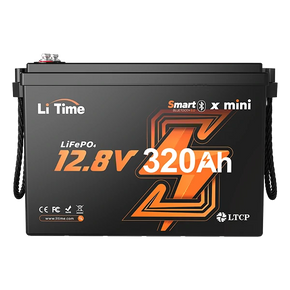
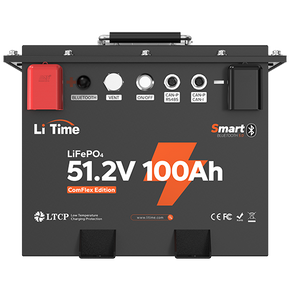
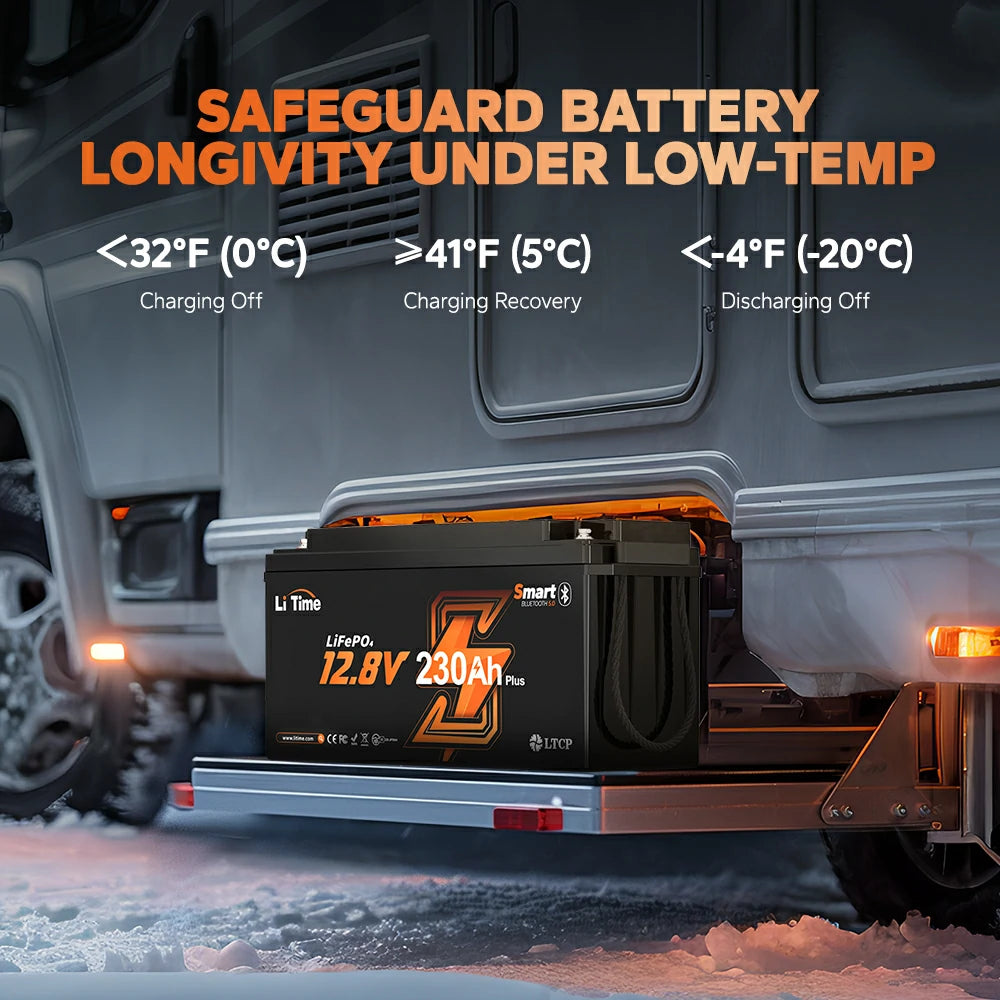
LiFePO4 (lithium iron phosphate) batteries are lighter, have higher usable capacity, and last thousands of cycles—making them ideal for off-grid Yellowstone RV trips. Note: LiFePO4 batteries typically don’t accept safe charging below freezing unless they have self-heating or are stored in a warmed compartment. Lead-acid can accept cold charge but suffer reduced usable capacity and weigh significantly more. Learn more differences on AGM VS LiFePO4 Batteries for RV & Marine
Water, Waste, and Cold-Weather RV Prep
Manage resources carefully—Yellowstone is remote and nights are cold at elevation.
Dump & Fill Stations
Madison, Canyon, Bridge Bay, and Grant provide convenient dump/fill facilities. Arrive early morning or evening to avoid long lines.
Water Conservation
In conservation mode, plan on ~4–7 gallons per person every three days. Size fresh, gray, and black tanks around a 2–3 day rhythm for typical trips.
Protecting Systems from Freezing
- Disconnect exterior hoses; draw from onboard tanks and pumps.
- Use heated hoses or hose pads and add RV-safe antifreeze in traps when needed.
- Consider station-only dumping and enzyme-based treatments instead of harsh chemicals.
Driving and Parking Tips for RVs
Yellowstone’s attractions are spread out—time your movements and choose sites appropriate for your rig.
Where to Aim Early
Old Faithful, Canyon, Mammoth, Norris, Grant, and Madison are more RV-friendly—visit early or late to avoid crowds. Save narrow spurs and pocket lots for smaller vehicles.
Handling Grades & Wind
Use low gear on steep descents, rely on engine braking to preserve pads, and stow awnings/slides when wind picks up.
Off-Grid RV Battery Setup Example
Here’s a practical, lightweight setup suitable for many Yellowstone RV trips:
- 1 × 12V 230Ah LiFePO4 battery (~2.9 kWh)
- 200A BMS for safe high-current draws
- 2–2.5 kW inverter for small appliances
- Multiple charging paths: solar array, alternator, shore (when available), backup generator
For longer stays or winter trips, scale capacity by adding parallel batteries and ensure cold-charge protection via self-heating packs or insulated battery compartments.
Final Thoughts: Make the Most of Your Yellowstone RV Adventure
Yellowstone is a land of extremes—steam and heat beneath, crisp cold at dawn. For RVers the trip rewards careful planning: choose routes wisely, book campgrounds early, conserve water, and pick an off-grid power system that matches your season and range.
With the right setup—especially a reliable LiFePO4 RV battery system—you’ll enjoy more comfort and freedom while exploring Yellowstone’s wonders.

