


Desert Sun Exposes Course Edges
Under Arizona’s dry, searing light, TPC Scottsdale shows its edges. As Nikola Tesla put it, “If you want to find the secrets of the universe, think in terms of energy, frequency and vibration”—and here those ideas play out in wind, turf, and heat.
Saguaro and Colorful Landscape
Saguaro sentinels frame tight corridors, and desert pops against greens. Rust-to-crimson hues contrast with emerald turf. Thin air sends shots farther with a livelier first bounce; firm, fast greens make spin and landing angles count. By afternoon, mountains fade to a blue scrim and heat shimmers bend your sightline. In that glare, the course’s emotional hotspots burn brightest.

Crowds and Risk-Reward Holes
The coliseum at 16 and par-4 17 define the pulse. Sixteen is a stage wrapped in skyboxes where crowd noise climbs with your heart rate. Seventeen asks: How bold are you? Water left and a tight landing window make the math change by the hour. Morning’s cool breeze feels generous; by afternoon, headwinds and baked turf shrink your margin. Climate and architecture dictate the round.
Distance, Flight, and Spin Strategy
Start with baselines: distance and flight control. Elevation and aridity usually buy one to one-and-a-half clubs—club down. Add height and spin to hold firm greens. With help from wind, manage peak height; into the breeze, knock down spin and trajectory. Crosswinds? Work with the wind and favor the safe side rather than flirting with edges. Lock these before making hero calls.

Pressure Point Decision-Making
At 16, tempo and nerves are everything. One extra breath, stripped-down routine, accept “good-to-OK.” At 17, set the floor before the ceiling. Protecting a lead? Iron or hybrid to right-side safe zone, then wedge-and-putt for birdie looks. Chasing? Driver at the green; if you miss, miss where you can save—right beats wet-left. Attacking flags, favor the high side or safe quadrant outside the stick to avoid greasy downhillers. From bunkers, choose lower, running shots to reduce thins and hot hops. Strategy set? Let logistics reinforce i

Cart as Rhythm and Aid
Out here, the cart is more than a ride—it’s a rolling aid station. Before teeing off, check charge or fuel and tire pressure. Stock cooler with water, sports drinks, electrolytes; add ice towel and sunscreen. Open GPS or club app for yardages, mark no-go zones and one-way routes, follow 90-degree or cart-path-only rules, avoid grow-ins and cactus clusters. Good prep frees headspace for the swing.
On-Course Habits and Etiquette
Habits and roles show up on the card and in etiquette. Slow over humps and bridges; take slopes at low speed with two hands. Park short of ball at safe angle and bring 2–3 likely clubs. After rain or dew, stay on paths and off collars/tee surrounds. Leaving a green, look ahead—one taps out while the other stages the cart—to keep group flowing. Back at the barn, empty trash, power down, quick gear check. From scenery to strategy to execution to logistics, this loop keeps decibels and score controlled.
Practical Cart Upgrade Option
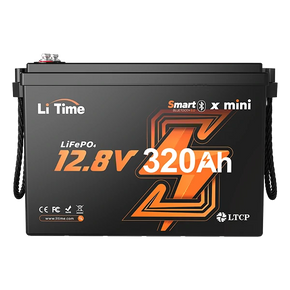
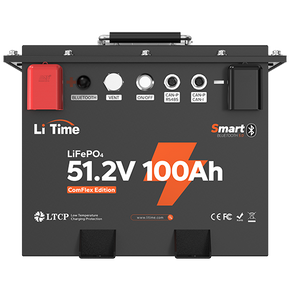
For a practical upgrade, consider LiTime 48V 100Ah kit. Replaces lead acid with ~5.1 kWh LiFePO4, includes 58.4V/18A charger, 500A shunt monitor, Bluetooth, hold-down hardware; lighter, improves throttle, covers 18 holes (sometimes 36 on flat courses) with overnight charge, BMS low-temp charge protection, IP65 charger. Install with proper-gauge cables, use 48V-to-12V DC-DC for accessories, verify BMS current ratings and tray fit.

