


Alabama’s Humid Subtropics
Alabama’s weather is wet and constantly shifting. Alabama lives in the humid subtropics, where the Gulf sends warm, wet air inland and westerlies script quick weather turns. Moisture loads the lower sky; southerlies and low-level jets carry it over the coastal plain until lift — Appalachian nudges or night cooling — wrings it into cloud. Rain falls year-round: spring thunderstorms, clearer autumns, and winters brushed by polar air with stratiform rain and quiet radiation fog. Here, dew point closely trails temperature, so the slightest shift makes mist—moisture is baseline, not visitor.
Rolling Terraces and Damp Pockets
Terrain dictates drainage and dampness. The land rises terrace by terrace, from the coast’s flat breath into piedmont and Appalachian hem. Rivers—Tennessee, Alabama, Coosa—cut valleys into red clay and loam. Drainage shifts by the meter: tight clay holds wet like a palm, gravelly rises shed fast, and between them bead damp pockets. Pine and hardwood mingle; vines, briars, and moss stitch shade to soil. Cold night air pools in cuts and hollows; inversions thicken by creeks and lakes, where fog forms, settles, and lingers.

The Temperament of Fog
Fog transforms light, sound, and sensation. At first light, it crawls up from the creek, softening edges, amplifying resin and leaf-mold on the tongue of the air. Sound becomes felt rather than heard: rain ticks on the metal roof, a distant train smudged to a low hum. Even after sunrise, the canopy delays drying—webs bead like necklaces, and one step into the brush drinks from your cuffs. Time slows to hand movement, with light and acoustics muffled to wool.
Cabin Design for Wet Woods
A cabin must lift, drain, and breathe. Choose a slight rise—sheltered yet sunny—and lift foundations a foot or two for airflow and termite prudence. Deepen eaves, clear gutters, and cut a gravel ring drain so rain departs politely. Build walls that exhale—timber, breathable layers, ventilated cavities—and invite cross-ventilation with a high exit for hot, wet air. Stack wood off the ground, and slip in a mudroom to stop rain and boots at the door.

Daily Craft: Water and Mold Management
Managing moisture is a daily task. Catch rain from a metal roof, discard first flush, store dark and insulated, then filter—sediment, carbon, UV—or simply boil. In the kitchen, ventilated pantries, tight jars, a touch of desiccant, and steady rotation keep food safe. In the garden, raise beds, mulch deep, remove spotted leaves, and favor hardy companions—tomato with basil and marigold. Insect vigilance is constant: fine-mesh screens, fan-driven air, long sleeves, and nightly tick checks.
Electricity Under Cloud and Mist
Electricity must be carefully planned. Size solar by need, tilt panels steeper than latitude for gray-sky gain, site free of shade, and allow hands-on care. Spend heavy loads in bright hours to spare batteries; favor DC appliances—fridge, fans, LEDs, motion-sensing lights—while sending heat work to wood or propane. Set low-voltage cutoffs; give lifelines—comms, pumping, light—their own circuits. Keep panels clean, connections tight, and moisture out.

Batteries and Energy Strategy
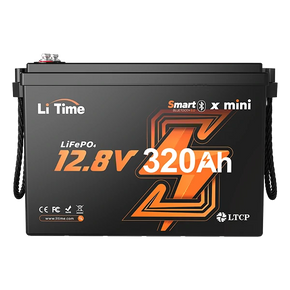
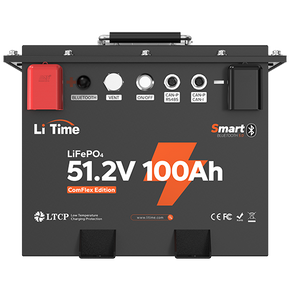
Battery choice defines resilience. For batteries, choose lithium iron phosphate first. Size for 2–3 sunless days with 20–30% margin. House in dry, insulated box, ventilated and cold-weather protected; warming pad optional. Use BMS for SOC/SOH insight and full protection. Cycle shallow, avoid 100% discharge. AGM can serve if budget presses, but demands more attention. Keep propane or portable generator as foul-weather understudy, rehearsing handoff before storms.
LiTime 48V 3500W Integration
LiTime 48V 3500W simplifies off-grid power. This all-in-one inverter + MPPT + charger provides 3500W/6000W surge, 80A MPPT for gray skies, pure sine output, seamless UPS rollover, and broad 48V LiFePO4 support. Simple, efficient, reliable—perfect for a wet-woods off-grid cabin.

