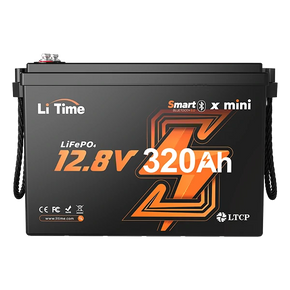


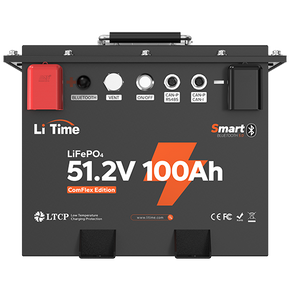

One of the most common units used to describe battery energy consumption is the watt-hour (Wh). Calculating watt-hour formulas:
- 1 Wh = 1 W × 1 H
- 1 Wh = 1 KWh ÷ 1000
- 1 Wh = 1 MWh ÷ 1000,000
- 1 Wh = 1 V × 1 Ah
- 1 Wh = 3600 J
In this guide, I will explain what is a watt-hours, how it relate to other energy units like kilowatt-hours (kWh) and megawatt-hours (MWh), and the key differences between watt-hours and other electrical units such as watts, amp-hours, and joules.
By understanding these concepts, you will be able to calculate energy needs more easily and choose the right battery for your specific application.
Part1: What is the Watt Hour(WH)?
The watt-hour (Wh) is a unit of energy that represents the total amount of electrical energy consumed or stored when a device operates at a power level of one watt continuously for one hour.
- Watt (W) = a unit of power (the rate at which energy is used)
- Hour (h) = time
- Watt-hour (Wh) = power (W) × time (h) = total energy

What is Kilowatt Hour(KWH)?
A kilowatt-hour (kWh) is a unit of energy that represents 1,000 watt-hours (Wh). Since a watt-hour measures the energy used when one watt of power runs for one hour, a kilowatt-hour simply scales this up to larger energy amounts.
- 1 kWh = 1000 Wh
- 1kWh=1000Wh÷1000
What is a mega watt per hour(MWH)?
A megawatt-hour (MWh) is a larger unit of energy that is derived from watt-hours, used to measure very large amounts of electricity. Since 1 kilowatt-hour (kWh) equals 1,000 watt-hours (Wh) and 1 megawatt-hour equals 1,000 kilowatt-hours, it also means 1 MWh = 1,000,000 Wh. The general calculation formulas are:
- Energy (Wh) = Power (W) × Time (h)
- 1kWh = 1Wh × 1,000
- 1MWh = 1kWh × 1,000 (or 1Wh × 1,000,000)
From the perspective of watt-hours, Wh is typically used for smaller devices and battery capacities, kWh for household electricity consumption and larger battery systems, while MWh is used to measure large-scale energy production or storage such as utility power plants, grid energy supply, and large renewable energy projects.
Part2: Why is the Watt Hour matter?
Watt Hour bridges power storage and actual power consumption. It runs through battery selection, system design and daily power management for all electrical scenarios, making every energy arrangement scientific and practical.
RVs, camping and marine vessels
For RVs, camping and marine vessels, Watt Hour helps you accurately estimate how long lights, water pumps, refrigerators and other onboard devices can run on a single charge. You can select a properly sized battery and arrange power usage reasonably to avoid power outages during off-grid camping or voyages.
Designing solar energy storage systems
When designing solar energy storage systems, Wh is the key reference to configure solar panels, charge controllers and battery banks. It ensures the solar generation capacity matches the total energy consumption, building a stable and self-sufficient off-grid power system.
Portable power stations and mobile power banks
For portable power stations and mobile power banks, this metric directly reflects their real endurance. Users can judge whether the power supply can meet the demands of outdoor activities, travel and emergency use before purchasing.
Household electricity and electricity bills
In terms of household electricity and electricity bills, Watt Hour works with grid power statistics to track daily power consumption. It helps residents optimize electricity habits, reduce unnecessary energy waste and effectively cut down electricity expenses.
Electric vehicles, scooters and power tools
As for electric vehicles, scooters and power tools, Watt Hour determines their continuous working time and cruising range. It guides users to choose suitable battery configurations, arrange travel routes and working schedules, and guarantee normal operation of electric equipment.
Part3: What's the Difference In Watt Hour vs Watt?
A watt (W) is a unit of power, which describes the rate at which energy is used or produced at a specific moment. It tells you how fast electricity is being consumed. For example, a 100-watt light bulb uses 100 watts of power while it is turned on.
A watt-hour (Wh), on the other hand, is a unit of energy, which measures the total amount of electricity used over time. It is calculated by multiplying power by time: Energy (Wh) = Power (W) × Time (hours)
How does Wattage work?
Wattage refers to the amount of electrical power a device uses or produces at any given moment. It describes how quickly electrical energy is being consumed or delivered.In electrical systems, wattage is typically calculated using the relationship between voltage and current:
・Power (W) = Voltage (V) × Current (A)
For example, if a device operates at 12 volts and draws 5 amps of current, its wattage would be:
・12 V × 5 A = 60 W
This means the device uses 60 watts of power while operating.Wattage helps determine how much electricity a device requires and how much load a power system or battery must support. Higher wattage devices consume energy faster, while lower wattage devices use energy more slowly.
Why electricity bills use Watt-hours instead of just Watt?
Electricity bills use watt-hours (Wh) or kilowatt-hours (kWh) instead of watts because they measure total energy consumed over time, not just the instantaneous rate of power use.
A watt (W) only indicates how fast electricity is being used at a specific moment, but it does not show how long the device runs. To accurately calculate energy usage and cost, electricity providers measure the accumulated energy consumption, which is power multiplied by time.
For example, a 1,000-watt appliance running for one hour consumes 1 kilowatt-hour (1 kWh) of energy. Using watt-hours allows utility companies to fairly track and bill the total electricity a household or business uses over a billing period.
Part4: What's the Difference In Watt Hour and Amp Hour?
The difference between watt-hour (Wh) and amp-hour (Ah) lies in what aspect of electricity they measure: energy vs. charge capacity.
An amp-hour (Ah) measures electric charge capacity, meaning how much current a battery can deliver over time. For example, a 100Ah battery can theoretically provide 100 amps for 1 hour or 10 amps for 10 hours. However, amp-hours do not account for the battery’s voltage, so they don’t fully describe the total energy stored.
A watt-hour (Wh) measures total electrical energy, which includes both voltage and current. It represents how much power a battery can deliver over time and is calculated using the formula:
・Energy (Wh) = Voltage (V) × Capacity (Ah)
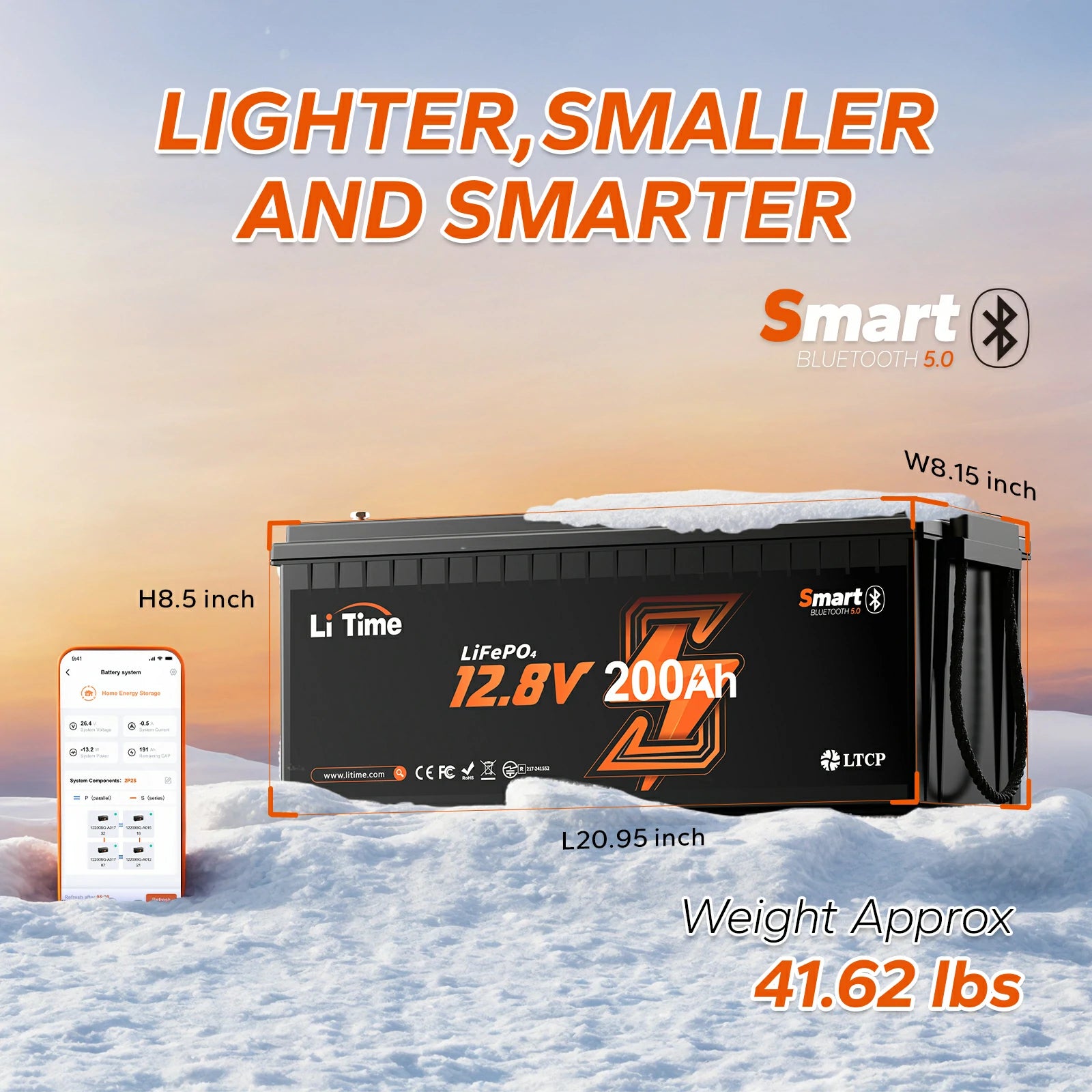
For example, a 12.8V 200Ah battery has:
・12.8 × 200 = 2560 Wh
This means the battery stores 2560 watt-hours of energy.
Why are car batteries measured in WattHour (kWh) but phone batteries are measured in AmpHour (mah)?
Phone batteries are usually labeled in milliamp-hours (mAh) because they operate at relatively low and consistent voltages (typically around 3.2–4.4V). Since most smartphones use similar battery voltages, manufacturers can simply list the charge capacity (mAh) to show relative battery size.
Car batteries, especially electric vehicle batteries, are measured in kilowatt-hours (kWh) because they store much larger amounts of energy and operate at much higher voltages (often hundreds of volts). In these systems, Energy, rather than charge capacity, determines a vehicle’s driving range and power output.
Part5: What's the Difference In Watt Hour and Joule?
The difference between a watt-hour (Wh) and a joule (J) is mainly about how electrical energy is expressed and used in different contexts.
A joule (J) is the standard SI unit of energy used in physics and engineering. It represents the amount of energy transferred when one watt of power is used for one second:
・1 J = 1 watt × 1 second
A watt-hour (Wh) represents the energy used when one watt of power runs for one hour. Because one hour contains 3600 seconds, the relationship between them is:
・1 Wh = 3600 J
Part6: What is a Watt Hour in Battery?Choose the Right One
A watt-hour (Wh) in a battery refers to the total amount of electrical energy the battery can store and deliver over time. It shows how much power a battery can provide and how long it can run a device.
To choose the right battery, first estimate the total power consumption of your devices and how long you plan to use them. Multiply the device’s wattage by the number of hours it will run to determine the required energy.
1. RV Power Systems
RV appliances such as lights, refrigerators, fans, and small electronics usually consume 200–600W per hour combined. For example, if the total power consumption is 400W and you plan to use the devices for 5 hours, the required energy would be:
・Energy needed = Power × Time = 400W × 5h = 2000Wh
A battery with around 2300–3000Wh capacity would therefore be a good fit. For example, the LiTime 12V 200Ah lithium battery provides about 2560Wh of energy, making it suitable for RVs, campers, and off-grid setups while delivering stable power and long cycle life.
2. Trolling Motor
Fishing boats with trolling motors require continuous power for long periods.If your trolling motor uses about 100–150W and you plan to fish for 3–4 hours, your energy need would be(the power consumption is 120W and the device is used for 4 hours):
・Energy needed = 120W × 4h ≈ 480Wh
A battery around 600–700Wh is enough.Recommended LiTime battery:
LiTime 12V 50Ah lithium battery (≈640Wh)

3. Golf Cart
Golf carts require much higher energy because they power electric motors rather than small electronics. These systems usually operate at 36V or 48V.
For instance, a 36V 60Ah lithium golf cart battery provides about 2304Wh of energy, which can deliver extended driving range and improved performance compared to traditional lead-acid batteries.

FAQs about Watt Hour
How long does 1 watt-hour last?
1 watt-hour can power a 1-watt device for 1 hour.
A watt-hour measures total energy. Since Energy (Wh) = Power (W) × Time (h), one watt-hour means the energy needed to run a device using one watt of power for one hour.
Is 200W the same as 200Wh?
No, 200W and 200Wh measure different things.
A watt (W) measures power, which is the rate of energy use at a specific moment. A watt-hour (Wh) measures energy, which is the total amount of electricity used over time.
What does 240 watt-hours mean?
240Wh represents the energy consumed when 240 watts of power run for one hour, or any equivalent combination of power and time.
How long will a 100Wh battery last?
A 100Wh battery can power a 100W device for about 1 hour.
Battery runtime depends on the power consumption of the connected device. For example, a 50W device could run for about 2 hours, while a 10W device could run for about 10 hours using a 100Wh battery.
How do I convert Wh to voltage?
Voltage can only be calculated from watt-hours if you know the amp-hour (Ah) capacity of the battery.To find voltage, rearrange the formula:
V = Wh ÷ Ah.
For example, if a battery stores 1200Wh and has a capacity of 100Ah, its voltage would be: 1200 ÷ 100 = 12V.
Conclusion
Watt-hours provide a clear way to measure and compare battery energy, helping users estimate runtime and choose the right power solution. By understanding Wh and related units like kWh and Ah, you can better match battery capacity with your actual energy needs.
For reliable performance in RV, trolling motor and golf cart applications, LiTime LiFePO4 batteries offer high energy density, long cycle life, and dependable power—making you a smart choice when selecting the right battery.

