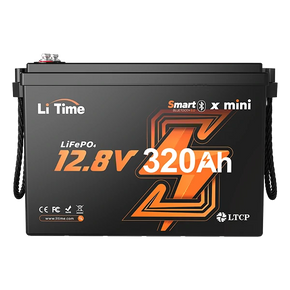


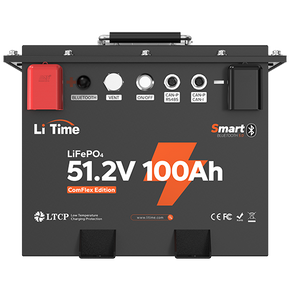

Wildfire season can bring sudden outages—and in some regions, utilities may also perform planned shutoffs to reduce wildfire risk (often called Public Safety Power Shutoffs, or PSPS).[1] A power outage battery backup can keep essential home loads running quietly without fuel, fumes, or refueling trips. If you’re building around a LiFePO4 battery, this guide covers sizing, runtime, and safety basics.
Quick Answer
Size your power outage battery backup around critical loads (fridge + internet + lights + medical essentials), not your entire house. More battery capacity (kWh) means longer runtime; more inverter power (W/kW) means you can run more devices (and handle motor surges). For multi-day wildfire outages, consider solar recharging with an MPPT controller to regain energy during daylight.
What a Home Battery Backup Can Power

A practical home backup plan focuses on what you truly need. Ready.gov also recommends planning for electricity-dependent medical devices and refrigerated medicines during outages.[2]
- Refrigerator / freezer (food and medicine protection)
- Internet + communications (modem/router, phones, radio)
- Lighting (LED lamps, headlamps)
- Medical essentials (CPAP, nebulizer, refrigerated meds—confirm requirements with your provider)
Most “battery backup” setups for the home follow a simple chain: Battery (energy) → Inverter (AC power) → Appliances. If you want solar charging during outages, add solar panels and a solar charge controller.
How to Size a Power Outage Battery Backup

Step 1: List critical devices and their watts (W)
Use the device label/manual or a plug-in power meter. Record both running watts and any starting/surge watts (important for refrigerators and freezers).
Step 2: Decide how many hours you need each device
Pick a realistic target (overnight, 24 hours, 48 hours). In wildfire-prone areas with PSPS risk, planning for at least a day of essentials is a common approach.[1]
Step 3: Convert usage to energy (Wh or kWh)
- Energy (Wh) = Watts (W) × Hours (h)
- Energy (kWh) = Wh ÷ 1000
Step 4: Add real-world overhead
Add 15–25% for inverter losses, wiring, and “unknowns,” then keep a reserve for extra charging needs.
Step 5: Match inverter power to peak load + surge
Battery capacity controls runtime, but inverter rating controls what you can run. For motor loads (like a fridge compressor), choose an inverter with enough surge capacity.
Example: One-day “wildfire essentials” backup
| Device | Estimated Watts (W) | Hours/day | Energy (Wh) |
|---|---|---|---|
| Refrigerator (average) | 150 | 10 | 1500 |
| Modem + router | 15 | 24 | 360 |
| LED lighting | 30 | 5 | 150 |
| Phone/laptop charging | - | - | 200 |
| CPAP (optional) | 40 | 8 | 320 |
| Total | - | - | 2530 Wh (~2.53 kWh) |
Add 20% overhead: ~3.0 kWh usable. A practical starting point is a ~3 kWh battery backup paired with an inverter sized for your peak load and fridge surge.
Recommended components (battery + inverter + solar charging)
- LiFePO4 battery (runtime): choose a system voltage that fits your design goals— 12V LiFePO4 batteries, 24V LiFePO4 batteries, 48V LiFePO4 batteries.
- Inverter (what you can power): match continuous watts + surge requirements— inverters.
- Solar recharging (multi-day resilience): recharge batteries from panels using a controller— MPPT solar charge controllers.
If you want to dig deeper into the energy math, you can also read: How to convert kWh to amps.
Wildfire Season Checklist for Home Power Outages

Wildfire preparedness is also evacuation preparedness. CAL FIRE’s Ready, Set, Go guidance is a solid starting point for building a family plan and go-bag.[3]
- Enable alerts: sign up for local emergency notifications and utility PSPS/outage updates.[1]
- Charge everything: battery backup, phones, laptops, headlamps.
- Medical plan: plan for electricity-dependent devices and refrigerated medications.[2]
- Food protection: pre-cool fridge/freezer; minimize door openings.
- Communications: keep a charged radio and car chargers available.
- Go-bag: include masks, documents, meds, chargers, and essentials.[3]
- Test your setup: run critical loads for 30–60 minutes before fire-weather days.
Safety Tips (Smoke, Heat, Evacuation-ready)
Smoke & indoor air
Wildfire smoke can make indoor air unhealthy; the U.S. EPA recommends reducing indoor pollution sources and using filtration strategies when smoke is present.[4] Harvard’s Healthy Buildings program also provides practical guidance on filters and indoor air steps during wildfire smoke events.[5]
- Keep windows/doors closed during heavy smoke; use HVAC recirculation if available.
- Avoid candles or other indoor burning sources when air quality is poor.[4]
- Consider a HEPA air cleaner or other proven filtration methods.
Generator caution (carbon monoxide risk)
If you use a fuel-powered generator, follow CDC safety guidance: operate generators outdoors and away from doors, windows, and vents to prevent carbon monoxide poisoning.[6]
Battery safety (including LiFePO4)
For stationary energy storage, UL 9540A is a widely referenced test method used to evaluate fire characteristics during thermal runaway events in energy storage systems.[7] For deeper technical guidance, NREL and Sandia publish ongoing research and resources on energy storage safety and risk mitigation.[8][9]
- Use manufacturer-approved chargers/cables and avoid damaged equipment.
- Keep batteries and inverters away from direct sun and high-temperature spaces.
- Use properly sized wiring and protection (fuses/breakers) and follow local codes.
Evacuation-ready power
- Keep a small power bank, key cables, and a headlamp in your go-bag.
- Prioritize charging: phones first, then communications/lighting, then comfort loads.
- Leave early if authorities advise evacuation; don’t wait until the last minute.[3]
FAQ
How long will a power outage battery backup run a refrigerator?
Estimate runtime with: Runtime (hours) ≈ Usable battery (Wh) ÷ Average fridge load (W). Add buffer for inverter losses and the fridge’s starting surge.
What size power outage battery backup do I need for wildfire season?
Start with your critical loads list and size for at least overnight or 24 hours of essentials. If your area is prone to PSPS or multi-day outages, consider solar recharging (MPPT + panels) to extend coverage.[1]
Do I need an inverter for a battery backup?
To power standard household AC devices, yes—you need an inverter. If you’re powering only DC loads (some RV/solar devices), you may not need AC inversion.
Is a LiFePO4 battery a good choice for home backup?
LiFePO4 (LFP) is widely used in energy storage. For any home backup system, focus on correct design and safe installation, and look for products aligned with recognized safety testing frameworks.[7]
Can I recharge my battery backup with solar during a wildfire outage?
Yes—if you have solar panels and a charge controller. MPPT controllers are commonly used to improve solar harvesting under changing conditions (clouds, haze, partial shade).
Can a power outage backup battery work for an RV during wildfire season?
Yes. The same sizing method applies: list loads, calculate daily Wh/kWh, and confirm inverter surge for motor loads. Many RV systems are 12V, while larger builds may benefit from 24V or higher-voltage configurations.
References
-
California Public Utilities Commission (CPUC) — Public Safety Power Shutoffs (PSPS)
- CAL FIRE — Prepare for Wildfire (Ready, Set, Go)
- U.S. EPA — Wildfires and Indoor Air Quality
- Harvard Healthy Buildings — Protecting your Health from Wildfire Smoke (Filters)
- CDC — Avoiding Carbon Monoxide Poisoning (generator safety)
- NASA — Evaluating the Safety of Energy Storage Systems (UL 9540A overview PDF)
- NREL — Safer Batteries, Reliable Power (battery safety research overview)
- Sandia National Laboratories — Safety Risks and Risk Mitigation (BESS PDF)

