

For small boats, kayaks, inflatables, fishing trips, and calm-water cruising, an electric outboard motor can offer a quieter and simpler boating experience. For long-distance travel, higher speeds, and heavier loads, a gas outboard motor still has clear practical advantages.
The right choice depends less on "which motor is best" and more on how you actually use your boat. If most outings are short and close to charging, electric is increasingly hard to ignore. If your day regularly involves long open-water runs, gas still has a practical advantage.
- 1. Gas vs Electric Outboard Motor: At-a-Glance Comparison
- 2. Cost Considerations: Upfront vs Long-Term Cost
- 3. Outboard Motor Maintenance
- 4. On-Water Experience: Noise, Vibration, and Fishing
- 5. Environmental Impact: Why Electric Outboard Is More Eco-Friendly?
- 6. Range, Speed, and Convenience: How to Balance
- 7. Which Outboard Motor Is Right for You?
- 8. Final Verdict
- 9. FAQs
Gas vs Electric Outboard Motor: At-a-Glance Comparison
A gas outboard motor uses an internal-combustion engine fueled by gasoline. It offers familiar refueling, broad service access, and strong range for its weight.
An electric outboard motor uses a battery-powered electric motor, trading some range and speed potential for quiet operation and a simpler ownership routine.
| Key Factor | Gas Outboard Motor | Electric Outboard Motor |
|---|---|---|
| Cost | Lower upfront cost, higher running cost | Higher upfront cost but fewer service expenses |
| Range | Longer range for extended trips | Efficient for short trips |
| On-Water Experience | More noise, vibration, and exhaust | Minimal noise, vibration, and odor |
| Maintenance | More engine and fuel-system maintenance | Fewer moving parts and service items |
| Best For | Long runs, higher speeds, and remote travel | Fishing, calm waters, short trips, and electric-only lakes |
Cost Considerations: Upfront vs Long-Term Cost
Upfront Motor Cost
For small boats, a portable gas outboard in the 2.5--5 hp range generally costs around $900--$2,000. A complete setup may also require a fuel tank, fuel line, engine oil, and initial servicing, adding approximately $100--$300.
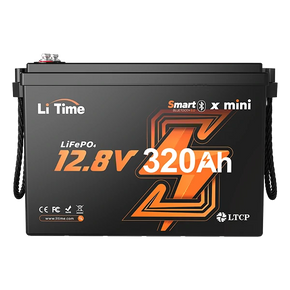
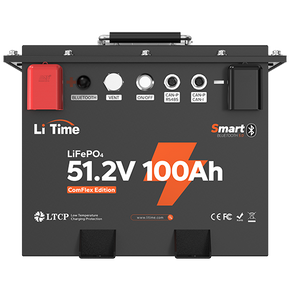
A complete electric outboard system may cost around $1,000--$4,000, depending on motor power and battery capacity. This total may include the motor, a compatible LiFePO4 battery, charger, cables, connectors, and circuit protection.
Integrated systems can reduce the difficulty of matching these components. The LiTime Argoseeker electric outboard system, for example, combines electric propulsion, wireless control, and a compatible LiFePO4 battery system as a more complete solution for small-boat users.

Long-Term Maintenance Cost
Gas outboards continue to generate expenses for gasoline, oil, replacement parts, and scheduled service. Electric motors generally cost less to recharge and maintain, although the battery will eventually need replacement. The better long-term value depends on how often you boat, how far you travel, and whether charging is readily available.
Outboard Motor Maintenance
Gas Outboard Maintenance
A gas outboard motor is dependable when it is maintained properly, but it has more routine needs. Typical maintenance tasks include:
- Engine oil and filter changes on four-strokes
- Spark plug checks
- Fuel-system care
- Gear-lube service
- Cooling-system inspection
- Winterization or fuel stabilization during storage
Fuel can also create off-season problems. Stale gasoline, water contamination, and carburetor or injector issues may prevent an engine from running properly after long periods of storage.
Electric Outboard Maintenance
Electric outboard motors are not maintenance-free, but their routine is generally simpler. Owners should check the propeller, rinse the motor after saltwater use, inspect mounting hardware and electrical connections, and follow the battery manufacturer's charging and storage instructions.
Because electric propulsion does not require engine oil, spark plugs, carburetors, or fuel filters, it can reduce both routine work and the number of engine-related problems owners need to manage.
On-Water Experience: Noise, Vibration, and Fishing
NOAA notes that a fishing boat motor adds sound underwater, which can scare fish away and cause water noise pollution.
Modern gas outboard also produces engine noise, vibration, exhaust, and fuel odor. These may be acceptable during long-distance or high-speed travel, but they become more noticeable while idling, trolling, approaching shallow water, or enjoying a quiet cruise.
Electric propulsion creates a calmer on-water experience with less noise and vibration and no exhaust smell at the stern. Conversation becomes easier, while precise low-speed control helps anglers move along shorelines, work shallow cover, and reposition near a fishing spot. LiTime's latest Argoseeker electric outboard motor, for example, operates below 65 dB in cruise control mode.
A quieter motor does not guarantee more bites, and electric propulsion is not completely silent. Propeller noise, hull movement, wind, and wake remain. However, reducing engine noise can create a more comfortable environment for anglers and minimize disturbance to surrounding aquatic life.
Environmental Impact: Why Electric Outboard Is More Eco-Friendly?
Considering environmental protection, the U.S. EPA (Environmental Protection Agency) boating guidance encourages boaters to prevent petroleum spills and highlights practical steps such as not overfilling fuel tanks.
On certain waters, electric propulsion can also be the only compliant choice. for example, Washington State Parks generally prohibit internal-combustion engines on lakes fully inside park boundaries, subject to listed exceptions.
An electric outboard has no tailpipe exhaust at the point of use. It also eliminates the need to carry gasoline and engine oil specifically for propulsion, reducing exposure to fuel odor and the risk of refueling or maintenance-related spills.
Range, Speed, and Convenience: How to Balance
Gasoline stores substantial energy in a compact form and can be replenished within minutes. This makes gas outboards more practical for long-distance travel, heavier loads, higher-speed boating, rougher conditions, and remote areas with limited charging access.
Electric outboards are better suited to short or predictable routes, low-to-moderate speeds, and locations with reliable charging. They also provide smooth acceleration and precise low-speed control, which are useful when approaching a dock or adjusting position while fishing.
Owners should monitor battery state of charge, maintain enough reserve power for the return trip, and test real-world runtime on familiar water before attempting longer journeys. A bluetooth lithium battery can be a value because of its real-time monitoring feature.
Which Outboard Motor Is Right for You?
Choose an Electric Outboard Motor If You:
- Fish or cruise on short-to-medium routes.
- Prefer quiet operation, low vibration, and no fuel smell.
- Boat on electric-only, low-noise, or environmentally sensitive waters.
- Want a lower-maintenance propulsion system for a small boat, kayak, or inflatable.
- Have convenient access to compatible battery charging.
Choose a Gas Outboard Motor If You:
- Regularly make long runs or need fast refueling.
- Need higher speeds, planing performance, or heavier load capability.
- Boat in remote areas with limited charging access.
- Want the widest established service and fuel network.
Final Verdict
Neither motor type is better for every boat or every trip. Gas outboards remain the stronger option for long range, higher speeds, heavier loads, and fast refueling.
Electric outboards are often the better fit for anglers and recreational boaters who stay closer to shore, value quiet operation, and want less routine maintenance.
That is the direction behind LiTime Argoseeker: practical electric propulsion built around lightweight installation, wireless control, compatible LiFePO4 power, and the kind of calm on-water experience that makes people want to stay out a little longer.
FAQs
Are electric outboard motors cheaper to run than gas?
Often, yes---especially for frequent short trips. Electricity and routine maintenance can cost less than gasoline, oil, and combustion-engine service. However, battery and charger costs should be included in the initial budget.
Are electric outboards good for fishing boats?
Yes, particularly for small fishing boats, kayaks, inflatables, and quiet-water use. Their low noise, smooth low-speed control, and lack of exhaust smell can make them well suited to fishing. Range planning is still essential.
Can an electric outboard replace a gas outboard?
It can replace gas for many short-range uses. It may not be the right replacement for offshore travel, repeated high-speed running, heavy loads, or trips without reliable charging.
How long does an electric outboard battery last?
Runtime depends on battery capacity, motor power, speed, boat weight, wind, current, and water conditions. Battery service life also depends on chemistry, charging habits, storage, and usage. Always follow the battery manufacturer's guidance and maintain a reserve for the return trip.
