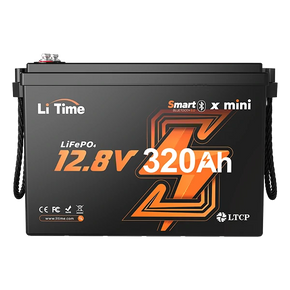


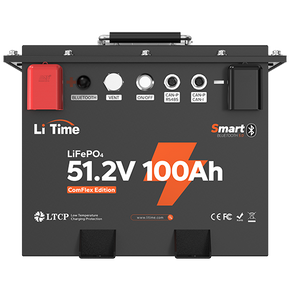

Long-haul trucking across the United States faces unique challenges: strict state idle laws, excessive fuel waste from engine idling, harsh extreme temperatures, and the growing need to improve driver comfort. For Class 8 truck owners, fleet managers, and self-employed operators, a high-performance Truck Auxiliary Power Unit (APU) is no longer an optional upgrade but a must-have solution to resolve compliance risks, cut operational costs, and enhance on-road living conditions.
In this guide, we break down everything about truck APUs, including core definitions, working principles, key benefits, electric APU value, and DIY lithium battery solutions to help you pick the best APU setup for your truck.
1. What Is a Truck Auxiliary Power Unit?
A Truck Auxiliary Power Unit (APU) is a compact, self-contained auxiliary energy system designed exclusively for commercial trucks, primarily Class 8 long-haul heavy-duty trucks that dominate North American cross-border and inter-state freight transportation. Unlike the vehicle’s main engine, a truck APU operates independently to supply stable power and temperature control for sleeper cab living systems during extended parking periods, eliminating the need for main engine idling.
As a core idle-reduction technology for the modern trucking industry, APUs have become standard equipment for long-distance fleets and owner-operator trucks, addressing operational pain points including excessive fuel consumption, engine wear, regulatory non-compliance, and poor driver comfort.

The U.S. trucking industry, the backbone of domestic and cross-border supply chains, moves 72.7% of the nation’s freight by weight and handles 67% of U.S.-Canada surface trade value and 85% of U.S.-Mexico surface trade value as of 2024. With over 2.75 million Class 8 heavy-duty trucks and nearly 580,000 active motor carriers (99.3% operating fewer than 100 trucks), the demand for efficient, rule-compliant auxiliary power solutions has surged, making APUs an indispensable component of daily trucking operations.
1.1 Types of Truck Auxiliary Power Units
The truck APU market is primarily divided into two mainstream categories based on power sources: traditional diesel APUs and emerging electric APUs (EAPUs), each with distinct operational characteristics and applicable scenarios, alongside a new dual-purpose lithium battery solution that has gained popularity in the domestic market in recent years.
Diesel APUs are the conventional mainstream option, originally developed by parking air conditioner manufacturers. Powered by small diesel engines, they feature strong continuous power output and ultra-long endurance, supporting 24-hour uninterrupted operation under extreme conditions. Equipped with independent AC/DC power generation functions, they deliver excellent adaptability to stock trucks and stable performance in extreme low-temperature environments as low as -20°C, making them ideal for long-haul cross-country fleets operating in harsh northern U.S. climates. However, they suffer from obvious drawbacks: noisy operation, exhaust emissions, regular maintenance requirements, and higher long-term operational costs.
Electric APUs (EAPUs) represent the upgraded, eco-friendly alternative powered by lithium battery energy storage systems. They capture and store electricity generated by the truck’s main engine during driving, releasing stored power to support cab electrical loads during parking. EAPUs deliver zero emissions, quiet operation, simple structural design, and low failure rates, drastically reducing daily maintenance workload. The only limitation is reliance on stored battery power, making them more suitable for standard rest-cycle operations rather than ultra-long continuous standby scenarios.
1.2 How Does a Truck Auxiliary Power Unit Work?

Diesel and electric APUs adopt completely independent working mechanisms, both designed to bypass the main engine and provide dedicated power for cab hotel loads.
A diesel APU operates via a miniature diesel engine that burns low-consumption fuel to drive an integrated generator, converting mechanical energy into stable AC and DC power. Its independent cooling and circulation system supports real-time power supply for heating, air conditioning, and cab appliances without relying on the truck’s main engine system. It can run continuously for days with sufficient fuel supply and maintains stable startup and operation even in extreme low temperatures across Alaska, North Dakota, and Minnesota.
An electric APU with lithium battery core works on an energy storage and release cycle. While the truck is in motion, the main engine’s alternator automatically charges the lithium battery pack, storing excess electrical energy. When the truck parks and the main engine shuts down, the intelligent control system automatically switches to battery power mode, releasing stored electricity to drive DC parking air conditioners, heaters, and various electrical devices. The optimized battery capacity configuration (minimum 7.26KWh with 10% reserve power) perfectly covers the 13-hour daily driver rest cycle, matching the U.S. truck Hours of Service (HOS) regulations.
| Comparison Dimension | Diesel APU | Electric APU (EAPU) |
|---|---|---|
| Core Working Principle | Powered by a miniature diesel engine to drive a generator, converting mechanical energy into stable AC/DC power | Stores electricity generated by the truck’s main engine during driving, releases stored battery power for cab loads during parking |
| Continuous Operation Capability | Supports 24+ hours of uninterrupted operation with sufficient fuel supply, no runtime limit from power storage | Covers 13-hour standard driver rest cycle with 7.26KWh+ battery capacity, limited by stored electricity |
| Low-Temperature Adaptability | Stable startup and continuous operation at -20°C, strong resistance to extreme cold climates | Maintains stable charge-discharge performance at -20°C with high-quality lithium batteries |
| Operating Experience | High noise and vibration from diesel engine operation, affects driver rest quality | Silent, vibration-free operation, creates a quiet and comfortable rest environment |
| Environmental Impact | Produces exhaust emissions, has certain environmental pollution risks | Zero emissions, fully eco-friendly, meets strict U.S. environmental protection regulations |
| Maintenance Requirements | Requires regular oil changes, component inspections, and mechanical maintenance | Almost no daily maintenance, no vulnerable mechanical parts, ultra-low failure rate |
| Long-Term Operational Cost | High cumulative cost: continuous diesel fuel consumption + regular maintenance fees | Low long-term cost: no fuel consumption during operation, minimal maintenance expenses |
| Ideal Application Scenarios | Ultra-long continuous standby operations, cross-country fleets in harsh extreme climates | Standard HOS driving-rest cycles, daily long-haul trucking, owner-operators and small fleets |
2. Core Functions and Key Benefits of Truck APU
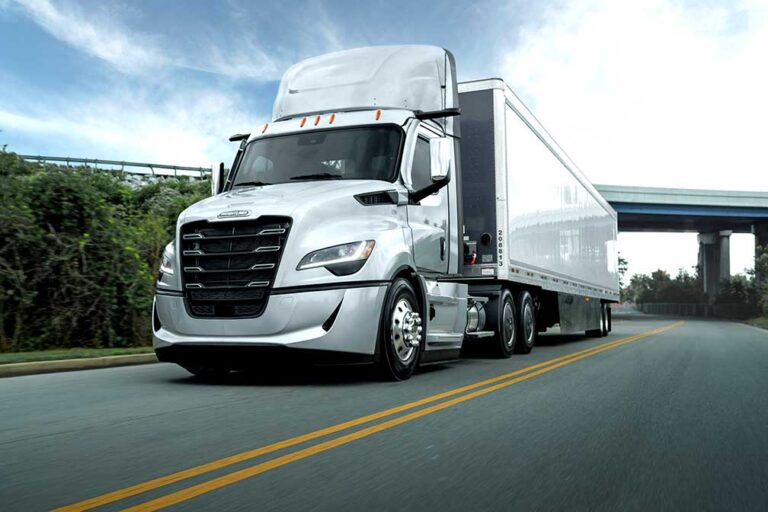
Truck Auxiliary Power Units (APUs) are purpose-built to solve critical pain points in U.S. long-haul trucking operations, delivering practical functional value and long-term operational benefits for Class 8 truck owner-operators and fleet companies.
Full Compliance with State Idle Regulations
One of the core functions of a truck APU is replacing main engine idling to meet U.S. environmental and traffic regulations. To reduce fuel waste and exhaust emissions, 31 U.S. states and the District of Columbia have enforced strict idle restriction rules, limiting parking idle time to 3–15 minutes, while Connecticut and Hawaii impose a full idle ban.
Washington State even proposes a maximum fine of $1,000 for idle violations. By enabling engine-off power supply, APUs completely avoid non-compliance penalties. Additionally, APU energy-saving and emission-reduction features align with EPA incentive policies, allowing eligible equipment to apply for official government subsidies for further cost reduction.
Drastic Operational Cost and Maintenance Savings
Long-term main engine idling leads to severe diesel consumption and accelerated wear of core powertrain components. APUs cut idle fuel consumption by over 80% and effectively extend the service life of truck engines, reducing frequent maintenance and component replacement costs.
For the 587,000 U.S. self-employed truckers (including 351,000 long-haul drivers) and small fleets that dominate the industry (99.3% of carriers operate fewer than 100 trucks), APU deployment brings substantial annual operational savings. Notably, lithium-powered electric APUs feature a simple structure with no vulnerable mechanical parts, requiring almost no daily maintenance and further lowering long-term operational expenditures compared with high-maintenance diesel APUs.
Full-Scenario Cab Power Load Support
APUs provide stable and reliable power for all daily electrical loads in sleeper cabs during parking, waiting, and overnight rest. They sustain long-term operation of core low-DC loads, including 720–960W 12VDC parking air conditioners and 45–100W truck refrigerators, which run throughout drivers’ 13-hour rest cycles.
They also support short-term intermittent high-power loads such as 700–900W microwaves, 600–1000W coffee makers, 3C electronic devices, LED lighting and ventilation fans. For refrigerated trucks, APUs maintain continuous cargo refrigeration during loading and unloading waiting periods to guarantee cargo integrity and transportation safety
Improved Driver Comfort and Work Retention
Most U.S. long-haul truck drivers spend extended periods on the road, with overnight parking at service areas, freight yards and ports being standard work scenarios. Electric APUs deliver quiet, zero-emission and vibration-free operation, eliminating the noise, exhaust and harsh operating experience of main engine idling or traditional diesel APUs.
APU-stabilized air conditioning, heating and daily power supply create a comfortable living and resting environment in sleeper cabs, effectively reducing driver fatigue. Optimized working conditions also help fleets enhance driver satisfaction and retention, a key advantage amid the current trucking workforce environment.
Excellent Extreme Weather Adaptability and Operational Stability
U.S. northern states including Alaska, North Dakota and Minnesota face extreme winter low temperatures as low as -20°C, which raise truck startup current demand to over 2000A.
High-performance APU lithium battery systems maintain stable battery activity and reliable cab power supply in ultra-low temperature environments, effectively solving cold-start failures and heating system malfunctions in harsh weather, greatly improving the overall operational stability of long-haul trucks across diverse U.S. climates.
3. Is an Electric Truck APU Worth It?
For 90% of U.S. long-haul truck drivers and small fleets, an electric truck APU is absolutely worthwhile, with comprehensive advantages that outweigh traditional diesel APUs in most application scenarios.
In terms of usage experience, electric APUs outperform diesel APUs significantly. They operate silently with zero exhaust emissions, creating a clean, quiet rest environment for drivers, which is especially critical for overnight parking rest. In contrast, diesel APUs produce continuous noise and exhaust, affecting driver sleep quality and causing environmental pollution.
In terms of full lifecycle cost, electric APUs have higher long-term cost-effectiveness. Although the initial purchase cost is slightly higher, they require no fuel consumption during operation and almost no maintenance fees. Diesel APUs require continuous diesel input and regular mechanical maintenance, resulting in higher cumulative costs over 2–3 years of use.
In terms of market and policy trends, electric APUs align perfectly with U.S. environmental protection and energy-saving policies. The EPA provides subsidy incentives for fuel-saving and emission-reduction APU equipment, and more states are tightening idle emission standards. Electric APUs help fleets comply with policies while enhancing brand green operation credentials.
The only scenario where diesel APUs hold an advantage is ultra-long continuous standby operations without driving charging opportunities. For most truckers who follow standard HOS driving-rest cycles, lithium electric APUs with 7.26KWh sufficient battery capacity fully meet daily operational needs, making them the most cost-effective choice.
4. DIY Electric Truck APU | Lithium Battery Solution
A DIY electric truck APU based on a high-performance lithium battery is the most popular personalized upgrade solution for U.S. owner-operators, featuring flexible configuration, low cost, and high matching degree with stock trucks. Combined with real truck load data and operational scenarios, we provide a scientific and practical DIY configuration guide.
4.1 Core Battery Capacity Configuration
According to actual truck power consumption data, a 13-hour driver rest cycle consumes 4.8–5.4KWh for parking air conditioners, 0.1–0.2KWh for refrigerators, and less than 1KWh for all other electrical loads. Reserving 10% battery redundancy, the minimum battery capacity requirement is 7.26KWh. A 2000W–3000W matched inverter is recommended to cover all short-term high-power loads such as microwaves and coffee makers.

4.2 Preferred Battery Type
LiFePO4 batteries are the best choice for DIY truck APUs, with excellent low-temperature resistance, high safety stability, and long cycle life. They adapt to U.S. multi-climate environments, from high-temperature southern regions to -20°C extreme low-temperature northern areas, ensuring stable charge and discharge performance.
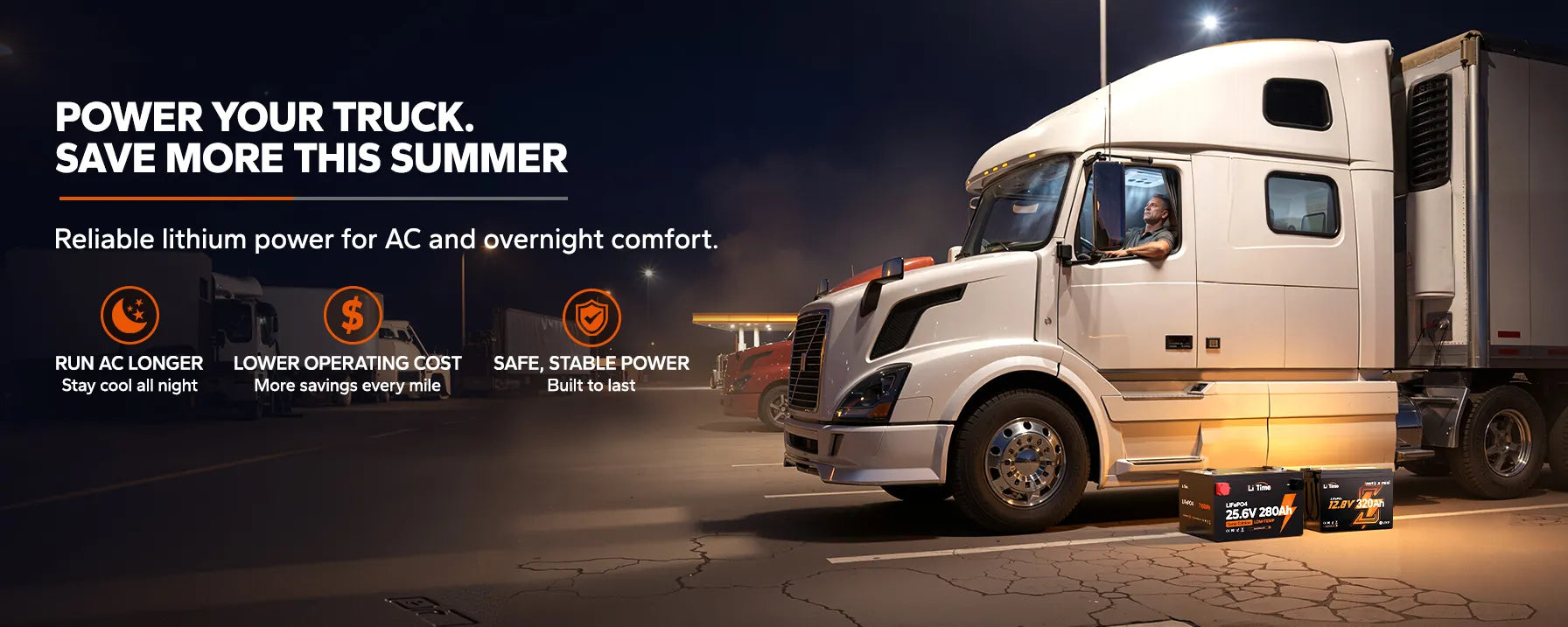
4.3 DIY Installation and Matching Tips
The system adopts a 12VDC mainstream truck voltage design, perfectly matching stock truck electrical systems without modification. The intelligent battery management system (BMS) automatically controls driving charging and parking power release, realizing seamless switching. The whole set of equipment is small in size and easy to install, suitable for all Class 8 heavy-duty trucks from mainstream brands including Freightliner (36.3% market share), Peterbilt, Kenworth, and Volvo.
4.4 Advantages of DIY Lithium APU
Compared with finished APUs, the DIY solution allows personalized capacity and power matching according to individual driving routes and usage habits. It features lower overall cost, higher flexibility, and stronger compatibility, becoming the first choice for most self-employed truck drivers pursuing high cost performance.
5. FAQ about Truck Auxiliary Power Unit
Will an APU Charge My Truck Battery?
Yes, both diesel and electric truck APUs support truck battery charging. Diesel APUs can charge the starter battery in real time while operating to avoid power loss. Lithium electric APU systems integrate intelligent charging management functions: they automatically absorb power from the main engine alternator during driving to charge the built-in battery pack and can also reverse-charge the original truck battery when needed, ensuring sufficient power for vehicle startup and standby electrical needs.
Can a truck APU run air conditioning?
Absolutely. Running parking air conditioners is one of the core functions of all truck APUs. Electric APUs are specially matched for 12VDC truck parking air conditioners with a working power of 720–960W, supporting 13-hour continuous operation during driver rest periods. Diesel APUs can also stably drive cab air conditioning systems for long-term uninterrupted cooling or heating. Even in high-temperature summer environments, APUs maintain stable air conditioning operation to ensure cab comfort.
Can a truck APU run heat?
Yes, truck APUs fully support heating function operation, adapting to U.S. winter low-temperature operational demands. Most truck heating systems adopt diesel heater cooperation with APU power supply. The APU provides stable electrical support for the heater’s control system and fan operation, achieving efficient cab heating. High-performance APUs maintain normal power output in -20°C extreme low temperatures, solving the problem of difficult heating and power shortage for northern long-haul trucks in winter.
How Long Does a Truck APU Last?
Service life varies by APU type. Traditional diesel APUs have a service life of 3–5 years, limited by mechanical wear and regular component aging, with frequent maintenance required throughout the cycle. In contrast, lithium battery-powered electric APUs have a service life of 8–10 years, with thousands of charge-discharge cycles, no mechanical vulnerable parts, and extremely low failure rates. With daily standardized use and simple maintenance, a high-quality lithium electric APU can serve the full lifecycle of a Class 8 truck, bringing long-term stable returns for truck owners.
Conclusion
Overall, electric truck APUs have become a practical, future-proof upgrade for American Class 8 long-haul trucks. They help truckers comply with strict state idle laws, cut fuel and maintenance costs, and greatly improve in-cab comfort compared with traditional noisy, high-maintenance diesel APUs.
Aligning with EPA clean energy incentives and standard HOS rest cycles, lithium-based EAPUs are now the preferred choice for most owner-operators and small fleets. For reliable all-weather APU power, the LiTime truck LiFepo4 Battery is an optimal DIY solution. Its smart self-heating design ensures stable performance down to -20°C, while durable LiFePO4 chemistry delivers a long service life, covering daily cab power demands for both parking comfort and reliable truck startup.

