



Popular Guides


Frequently Asked Questions
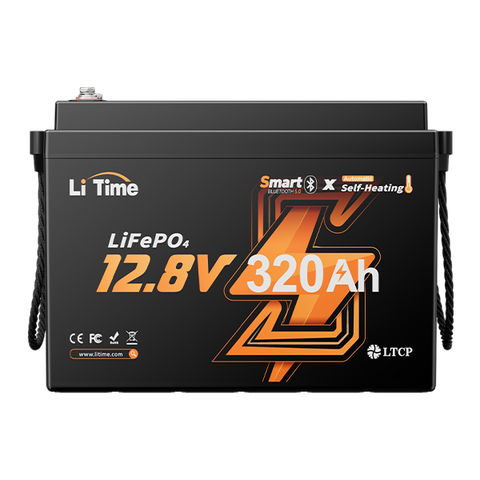
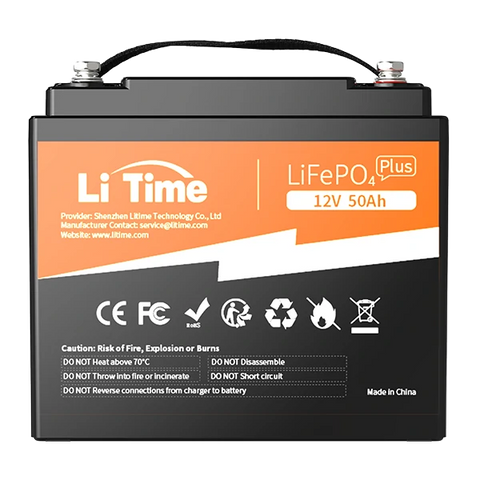
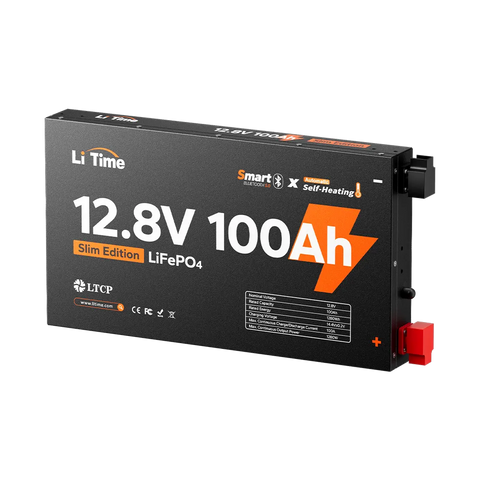
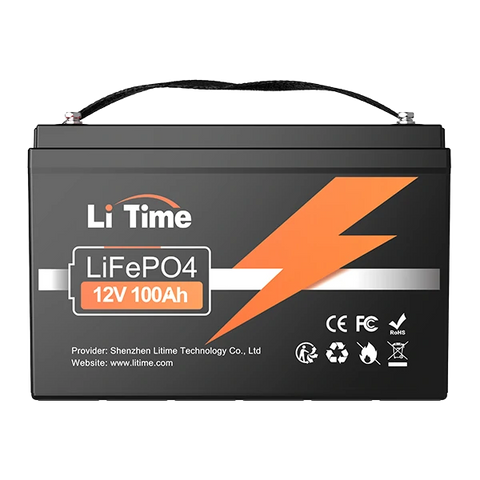
When you receive your LiTime recreational vehicle batteries, it may have a low state of charge (SOC) due to transportation and storage. To ensure optimal performance, charge the battery immediately to avoid over-discharge.
Batteries with Bluetooth functionality may arrive in an off state, showing a terminal voltage between 3V and 5V, and you won't be able to connect them to your phone. This is because they are shipped powered off, similar to mobile phones, to minimize self-discharge and extend the battery's lifespan.
There are 2 ways to solve the problem: using an AC-DC lithium battery charger or an MPPT solar charge controller to charge it for 3 to 10 seconds, then the battery can be used normally.
If you plan to store the battery for a long time, charge it to a SOC of 50% and perform maintenance every three months. This will help preserve its functionality and performance.
Many people wonder: Why invest in a lithium RV battery bank when lead-acid batteries are cheaper? Here are several reasons to consider LiFePO4 batteries over lead-acid options.
Long Lasting
Lithium RV batteries outlast lead-acid ones, often lasting 2-4 times longer, with some reports of up to 10 times. They can be discharged past 80% state of charge, while lead-acid batteries should not be discharged below 50% without damage.
Our RV batteries are rated for 4,000 cycles at 100% depth of discharge (DOD), potentially lasting over 10 years, or even up to 50 years with 100 cycles per year. Even after 4,000 cycles, they still maintain 70% of their rated capacity. In contrast, lead-acid batteries typically last around 400 cycles and 2-6 years, often requiring replacement sooner due to inadequate maintenance.
Less Weight
Weight can be a crucial factor. For example, a 300 Ah lead-acid battery bank can weigh over 400 lbs, exceeding the hitch weight limit of your towing vehicle. In comparison, LiTime RV batteries weigh about one-third as much. A lithium bank with 300 Ah usable capacity weighs around 65 lbs, leaving you with more capacity for other gear.
Faster Charging
LiFePO4 RV batteries charge 4 to 6 times faster than lead-acid batteries because they can handle higher charge currents. They also include a built-in battery management system to prevent overcharging.
More Efficient Charging
Charging a lead-acid battery bank as quickly as a similarly sized lithium battery requires a larger and more costly solar setup. LiFePO4 batteries boast a 99% charging efficiency, while lead-acid batteries only reach about 85%.
No Maintenance Required
Lead-acid batteries demand constant attention, including cleaning, corrosion removal, and electrolyte replenishment. This can be a hassle for many RV owners. RV Lithium batteries, however, require no maintenance, making them a hassle-free alternative.
No Fumes or Venting
Lead-acid batteries produce toxic fumes and must be stored in vented compartments. In contrast, our RV batteries can be stored in virtually any location, as they do not emit harmful vapors.
Compact Size
LiTime lithium RV batteries not only weigh less but also take up less space. If you need to fit your battery bank into a small compartment, lithium may be the ideal choice.
Monitor Your Battery Status
Ever wish you could easily check your battery's health? The LiTime Batteries Bluetooth app provides real-time information about your battery levels, including voltage, current, temperature, and charging status. You can even monitor the status of each cell, replacing guesswork with precise data right at your fingertips.
LiTime offers a 5-year warranty on our motorhome batteries. For more details, please visit LiTime Return & Refund Policy.
Yes, LiTime deep cycle lithium RV batteries can be connected in series and parallel.
Note: To connect batteries in series or parallel, they must meet the following conditions:
a. They should be identical batteries with the same capacity (Ah) and battery management system (BMS) rating (A).
b. They must be from the same brand, as lithium batteries from different brands have unique BMS configurations.
c. They should be purchased within a close timeframe (ideally within one month).
LiFePO4 lithium batteries have different charging requirements compared to lead-acid batteries, so we recommend using a LiFePO4 lithium battery charger.
Here are the charging options for LiTime lithium RV batteries:
1. Lithium Battery Charger: Choose a charger with the correct voltage to safely charge the battery.
2. Solar Panels: Always connect a solar charge controller when using solar panels to ensure safe charging. Read on How to Hook Up Solar Panels to RV Batteries for more information about RV off-grid setting.
3. Alternator/Generator:
- DC Output: If your alternator or generator provides DC output, you'll need a DC-to-DC charger to connect the battery.
- AC Output: If it provides AC output, use a compatible battery charger as specified in the product manual to safely connect the battery and generator.
Read on the Troubleshooting Guide on RV Camper Battery Not Charging When Plugged in
Yes, LiTime RV LiFePO4 batteries can be paired with inverters to convert the DC power stored in the battery into AC power, which is necessary for operating most household appliances in an RV.
LiTime pure sine wave inverters are particularly beneficial for powering devices such as air conditioners, microwaves, or televisions in your RV. It’s crucial to select an inverter that is compatible with deep cycle RV batteries to ensure optimal performance. Combining lithium-ion RV batteries with a suitable inverter guarantees a reliable power supply for your appliances during your travels.