



Popular Guides


Frequently Asked Questions
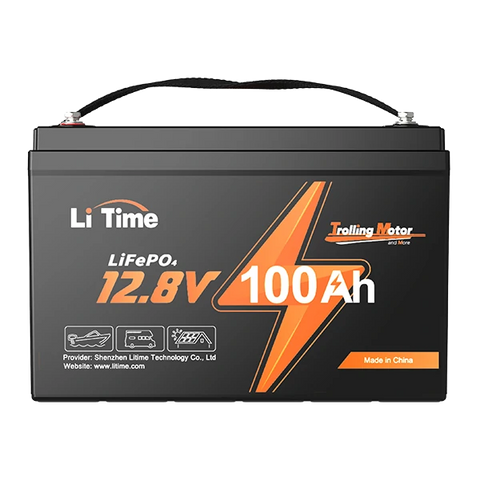
A marine battery is a power storage device designed for boats and other watercraft. Depending on its design, it may start an outboard engine, run a trolling motor, power fish finders and navigation equipment, or support lights and other onboard loads.
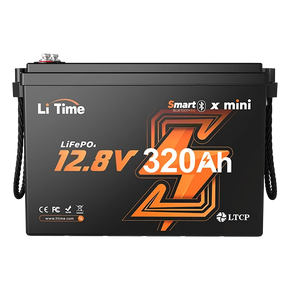
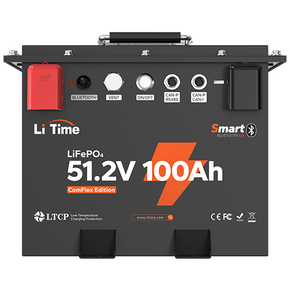
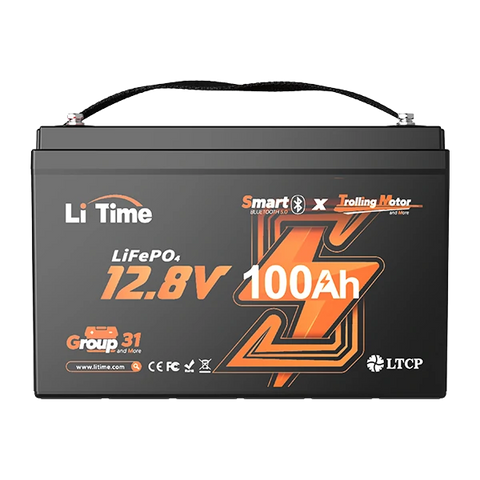
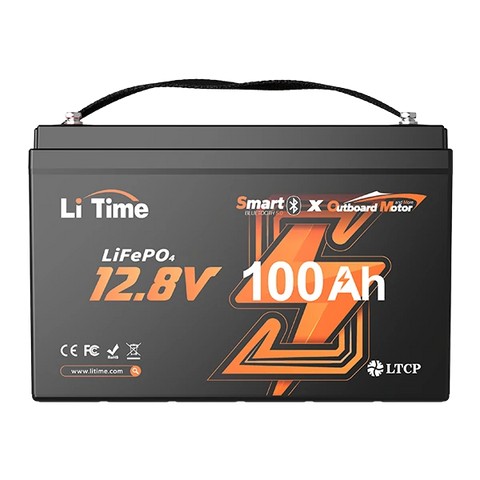
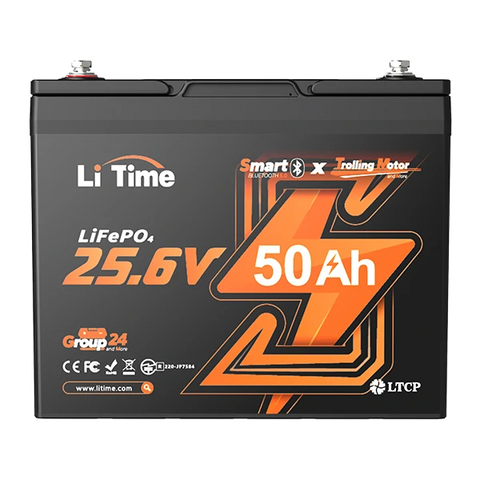
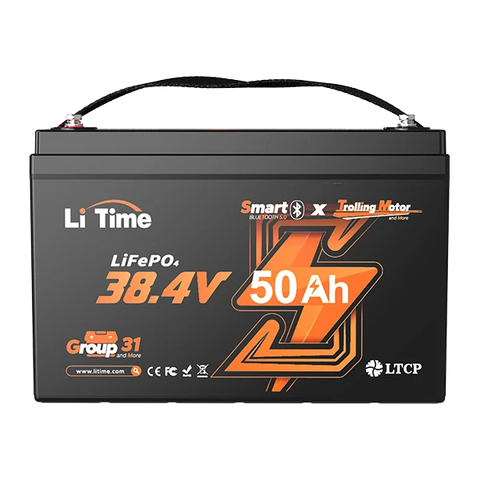
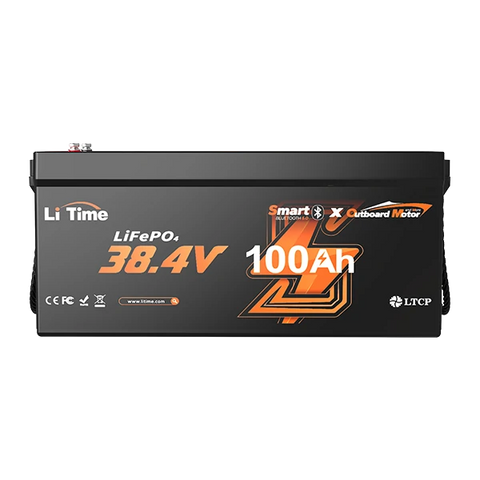
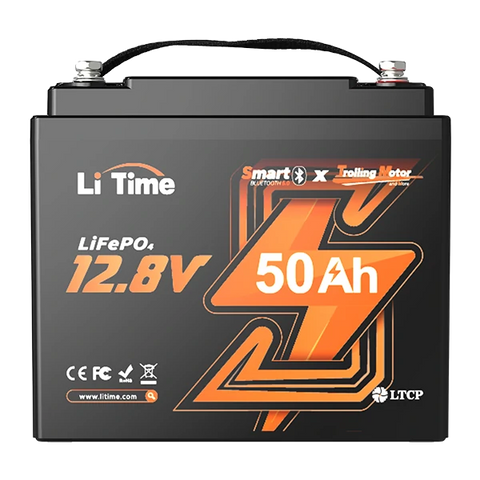
Marine batteries are generally divided into starting, deep-cycle, and dual-purpose types. LiTime offers dedicated options for trolling motors, electric outboards, fish finders, marine starting systems, and onboard power, so it is important to choose a battery designed for the intended application.
“Lithium ion marine battery” is a broad term covering several lithium battery chemistries. LiFePO4, or lithium iron phosphate, is one specific type of lithium-ion chemistry.
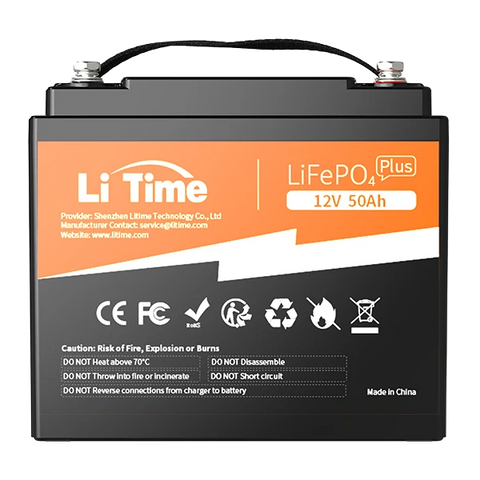
LiFePO4 marine batteries are commonly chosen for their stable chemistry, long cycle life, low maintenance requirements and consistent voltage under load. LiTime marine batteries use LiFePO4 cells together with a built-in battery management system(BMS), to monitor and protect the battery.
A marine starting battery delivers a short burst of high current to start an engine. A deep-cycle marine battery is designed to supply steady power over a longer period and is normally used for trolling motors, fish finders and onboard electronics.
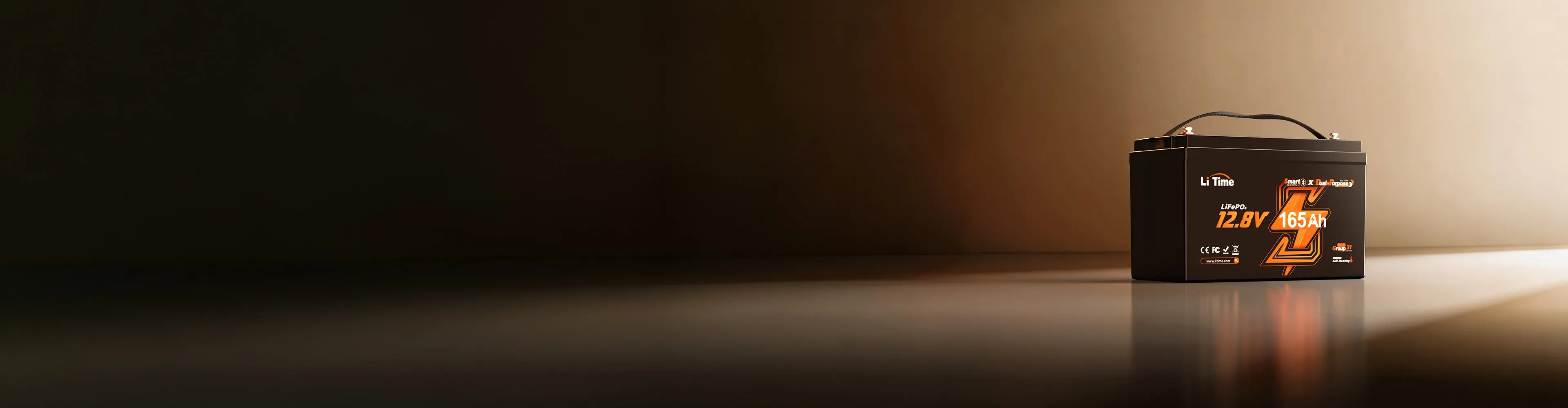
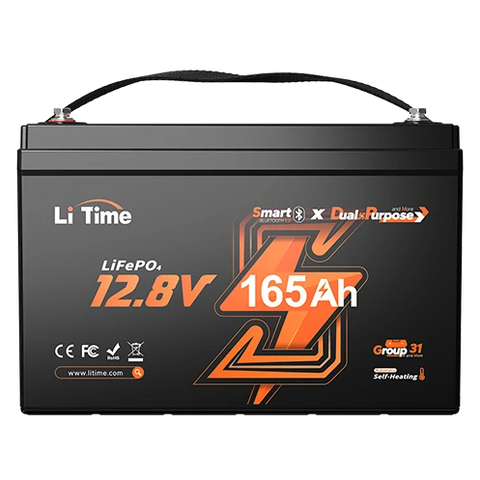
A dual-purpose marine battery combines starting capability with deep-cycle energy storage. For example, LiTime currently offers a 12V 165Ah Dual-Purpose Smart Self-Heating battery for marine starting and deep-cycle use.
Do not use a standard deep-cycle lithium battery to start an outboard unless the battery is specifically identified as a starting or dual-purpose model and meets the engine manufacturer's MCA, CCA and charging requirements.
A LiFePO4 lithium ion marine battery is generally lighter, provides more usable capacity, maintains a steadier voltage and offers a longer cycle life than a comparable lead-acid battery. It can also charge more efficiently when paired with the correct charging equipment.
However, lithium batteries usually have a higher initial price and require compatible chargers, controllers and onboard electrical systems. The better option depends on the boat, budget, operating temperature, weight limits and required runtime.
A compatible 12V marine battery can power:
- A 12V trolling motor
- Fish finders and sonar equipment
- Navigation electronics
- Boat lighting
- Communication equipment
- Pumps and other onboard accessories
Actual compatibility depends on the battery capacity, BMS continuous-discharge rating and the equipment's starting and operating current. A 12V deep-cycle battery should only be used to start an outboard when the model is specifically rated for marine starting.
Traditional lead-acid batteries typically last between 2 and 5 years. They require regular maintenance, like checking electrolyte levels and cleaning terminals. These batteries are also vulnerable to environmental damage and can leak toxic substances.
In contrast, LiFePO4 lithium batteries offer a maintenance-free alternative. They contain no toxic materials and can last over 10 years. These batteries withstand thousands of charge cycles and handle deep discharges better. However, it's best to keep the discharge level around 80% for optimal performance.
For instance, LiTime lithium marine batteries provide over 4,000 life cycles at 100% depth of discharge (DOD) and can last more than a decade.
The best marine battery depends on six main factors:
- Required system voltage
- Motor or equipment current draw
- Desired runtime
- Starting or deep-cycle application
- Battery compartment size
- Charging-system compatibility
Choose a deep-cycle marine battery for trolling motors and sustained onboard loads, a marine starting battery for starting a compatible outboard, or a dual-purpose battery when both functions are required.
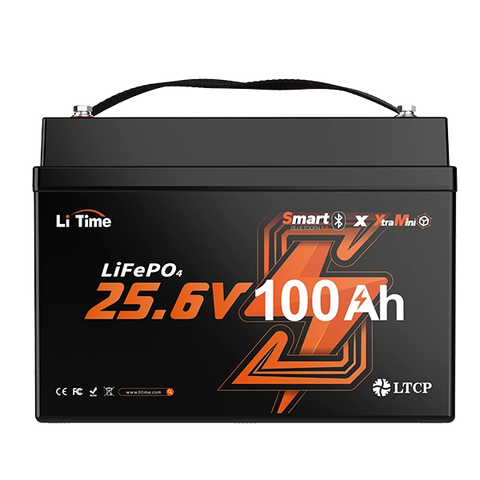
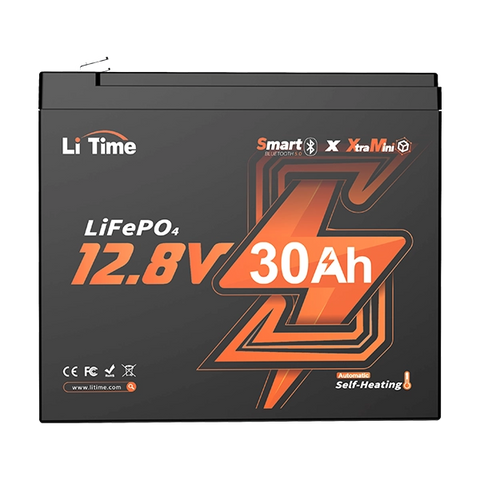
LiTime offers 12V, 16V, 24V, 36V and 48V marine battery options. Selected models also include Bluetooth monitoring, low-temperature charging protection and self-heating. Always match the battery voltage and discharge rating to the motor or equipment manufacturer's requirements.