






Golf Cart Batteries

Lithium Golf Cart Batteries for Club Car, Yamaha, EZGO
LiTime provides 36V and 48V lithium batteries for golf cart, ideal for powering UTVs, ATVs, EUVs, and street-legal carts. Compatible with Club Car, Yamaha, and EZGO models.


LiTime Golf Cart LiFePO4 Batteries
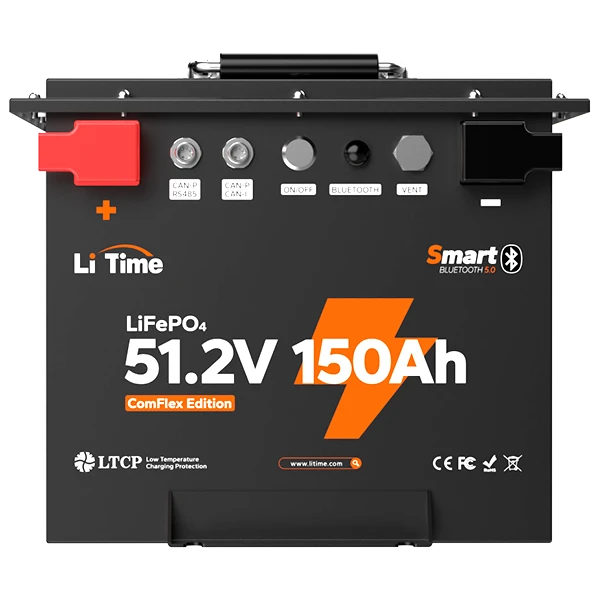


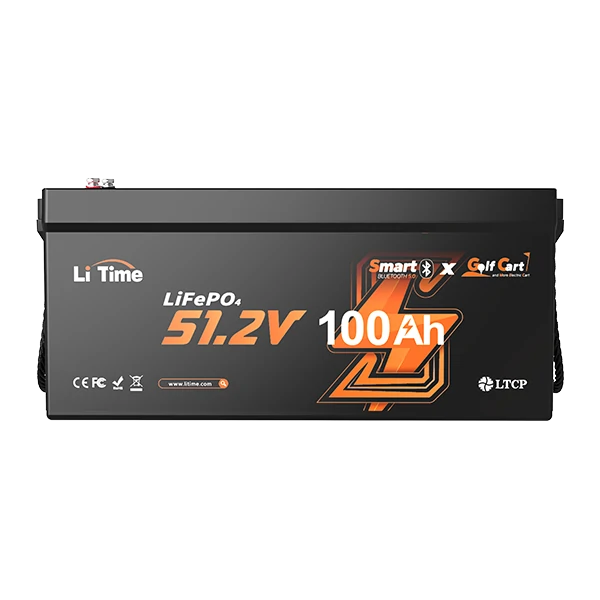

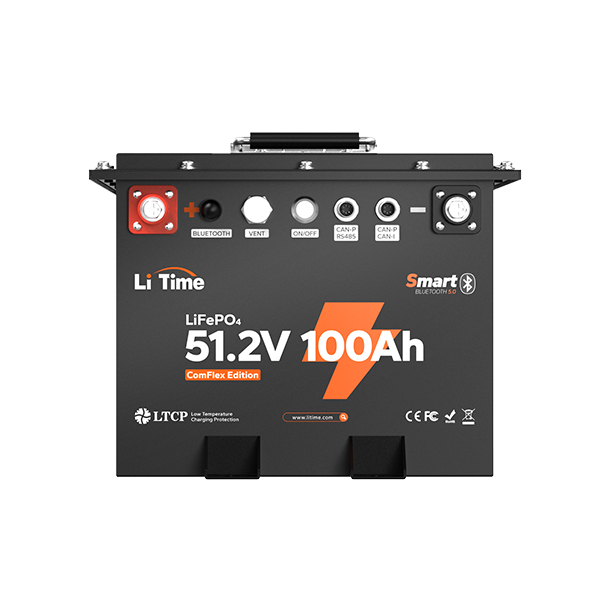

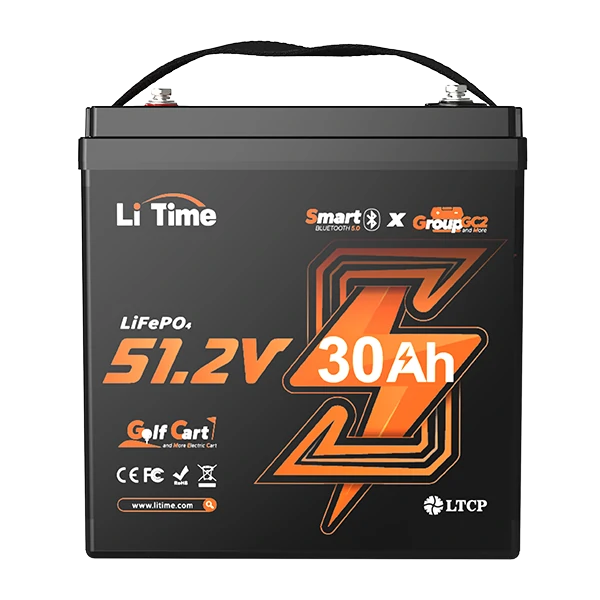

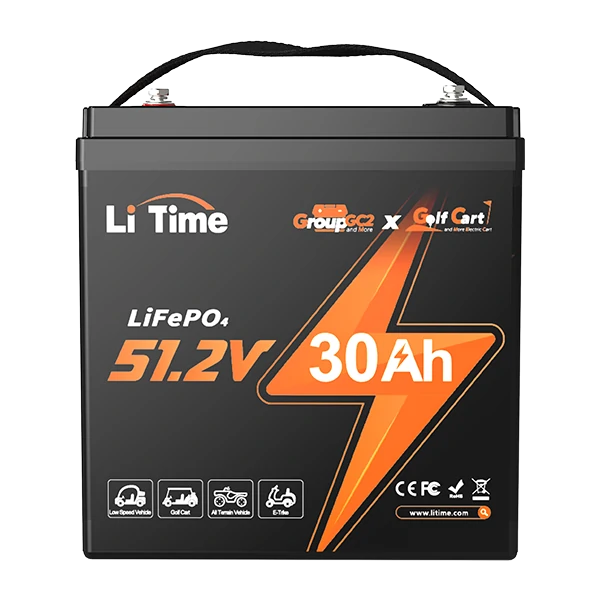


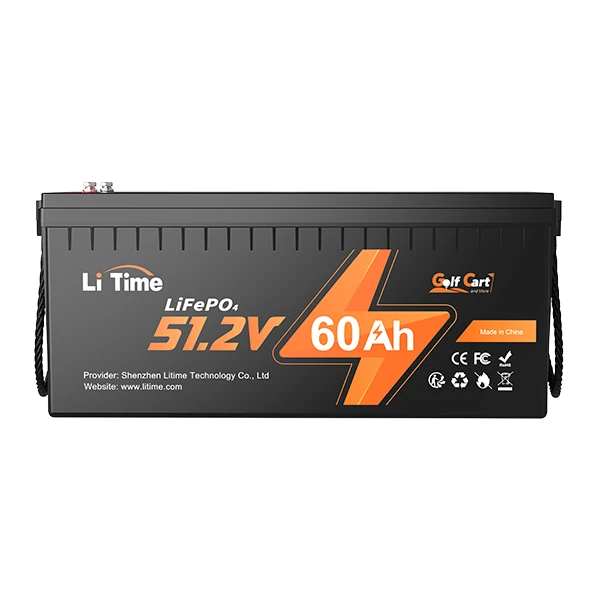

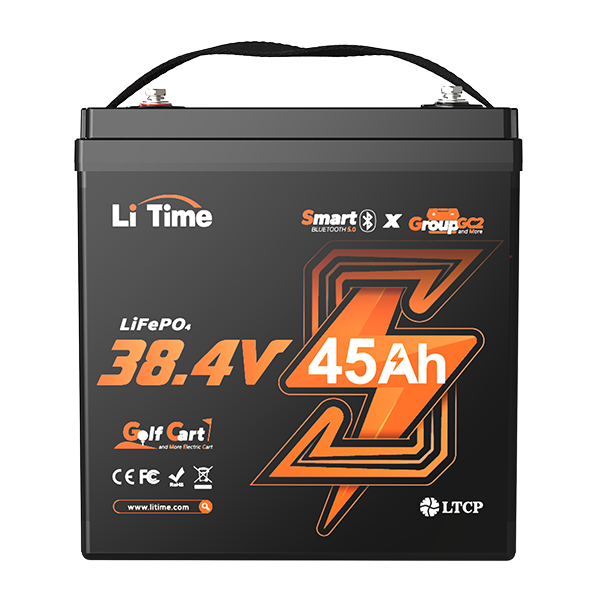


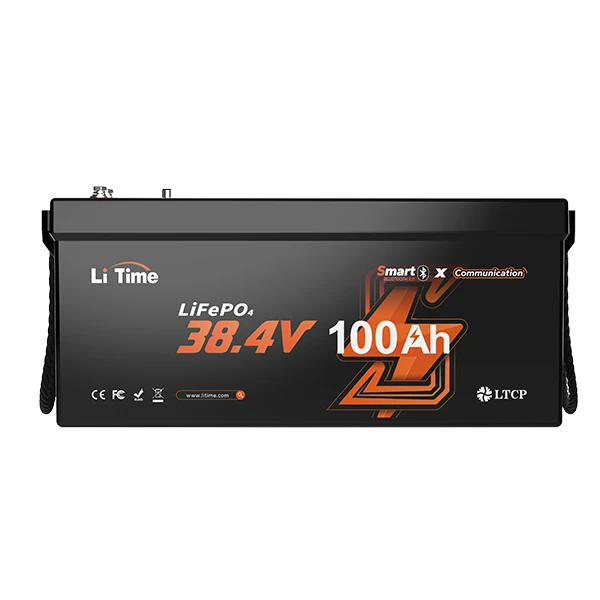

Top 5 Best-Selling Golf Cart Batteries


Best-Sellers Specs Comparison
Compare top-rated golf buggy batteries side by side to find your perfect match.

Choose Your Cart Type


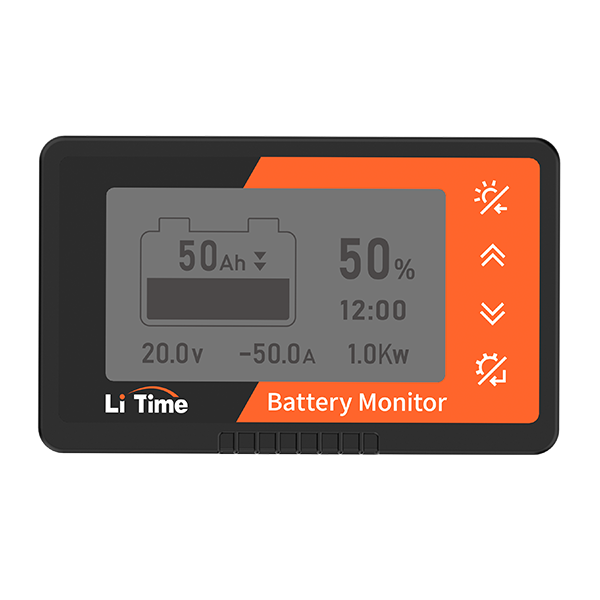
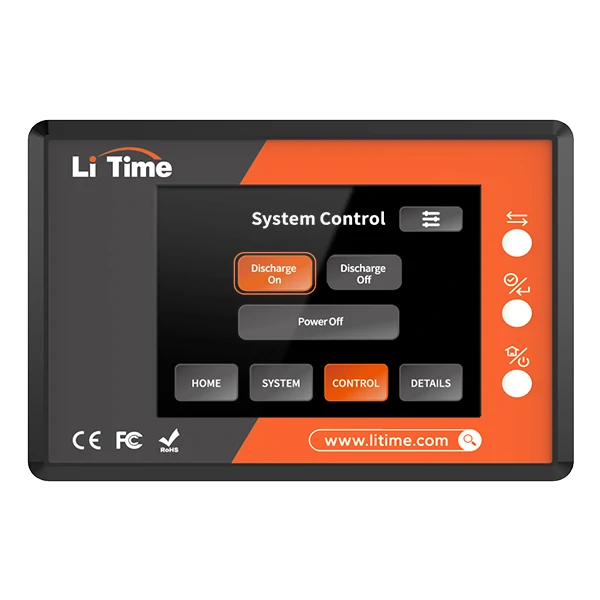
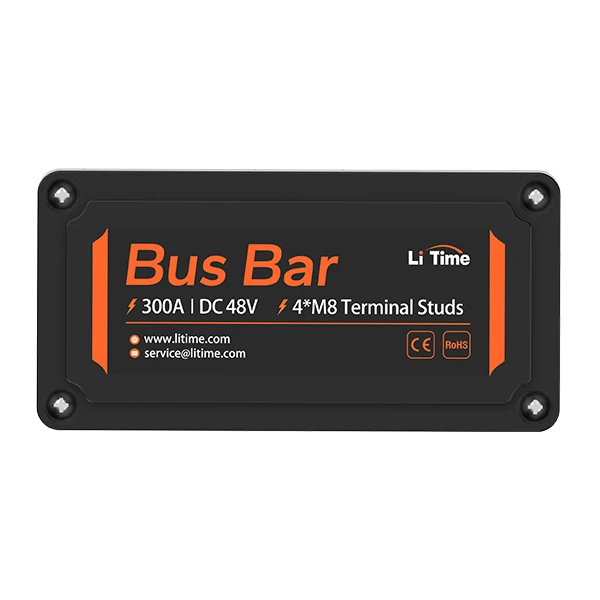
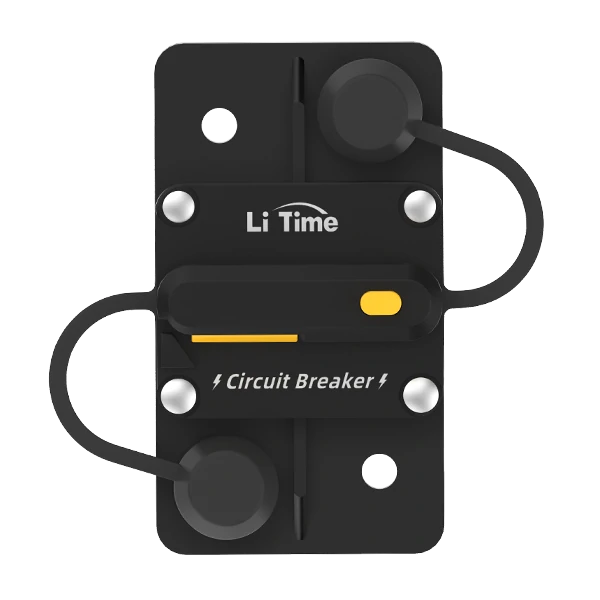
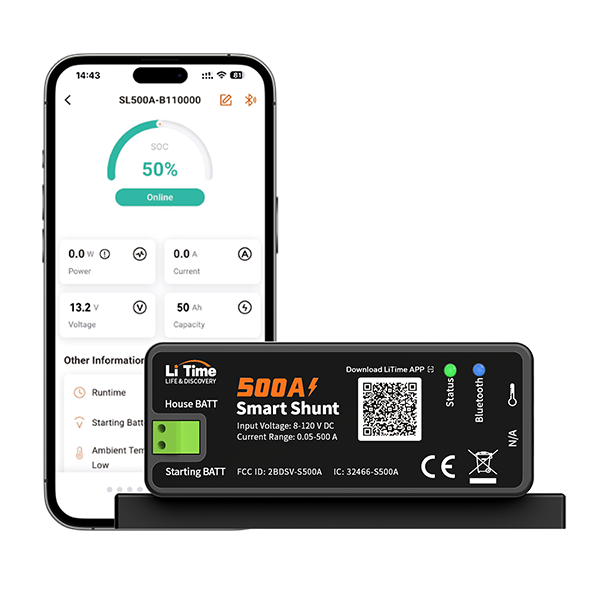
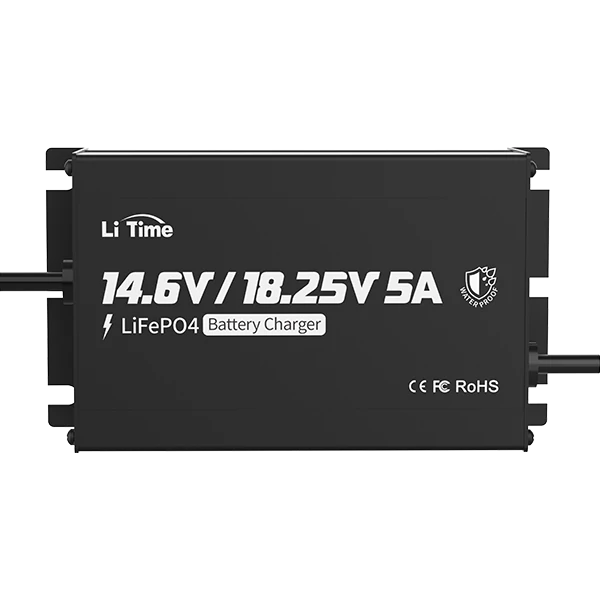
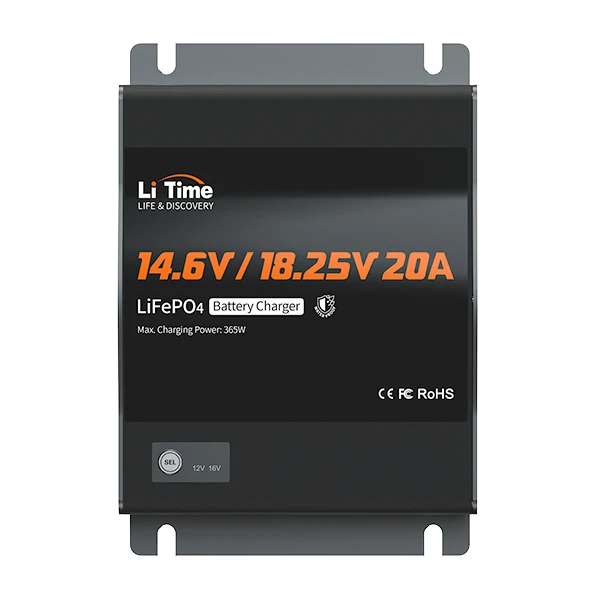
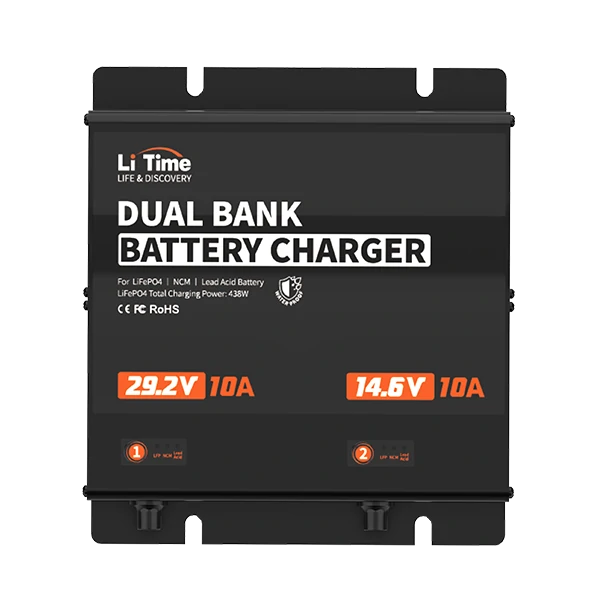
One-Stop Golf Cart Power System Solution




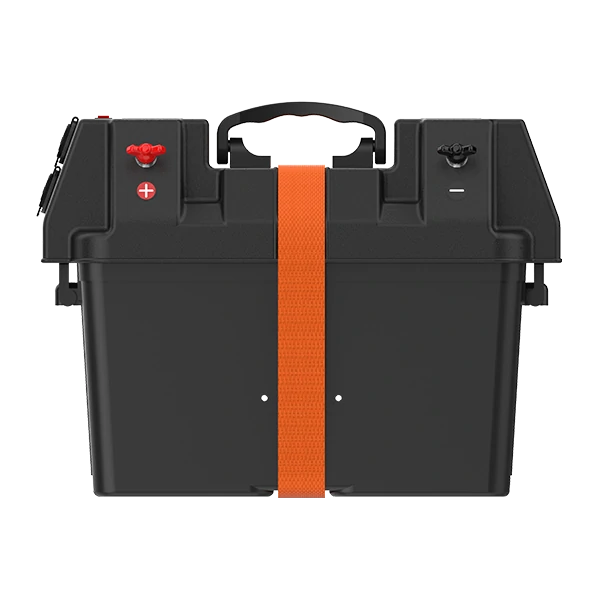

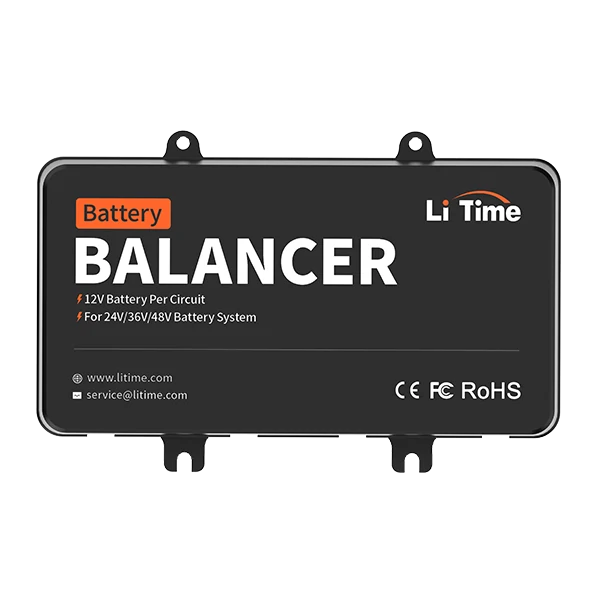

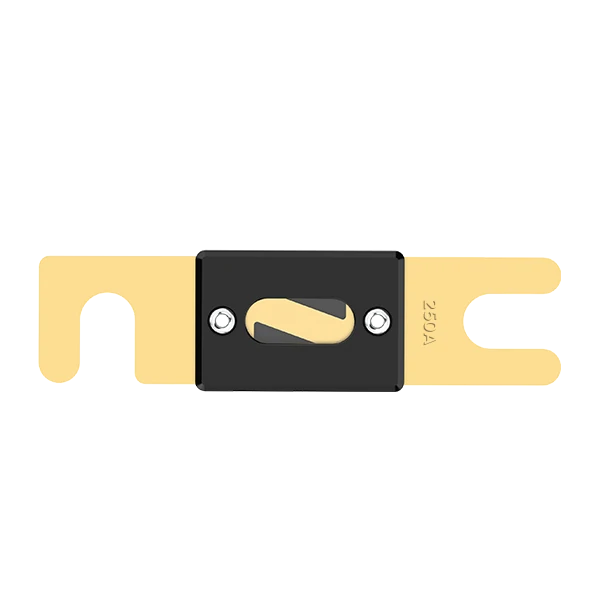

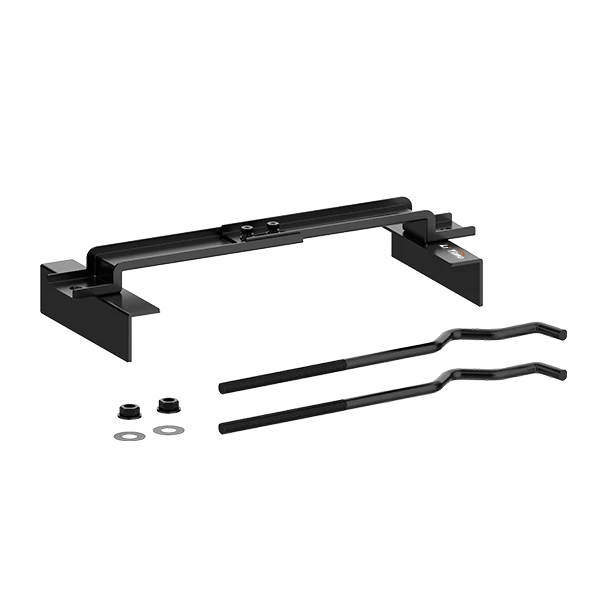
















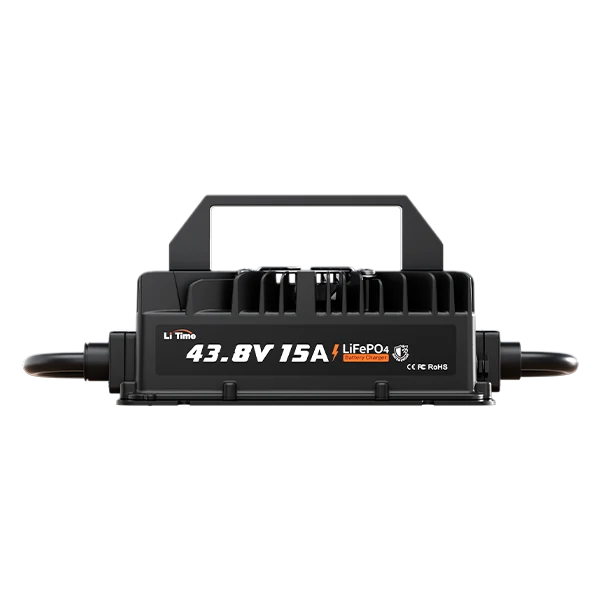

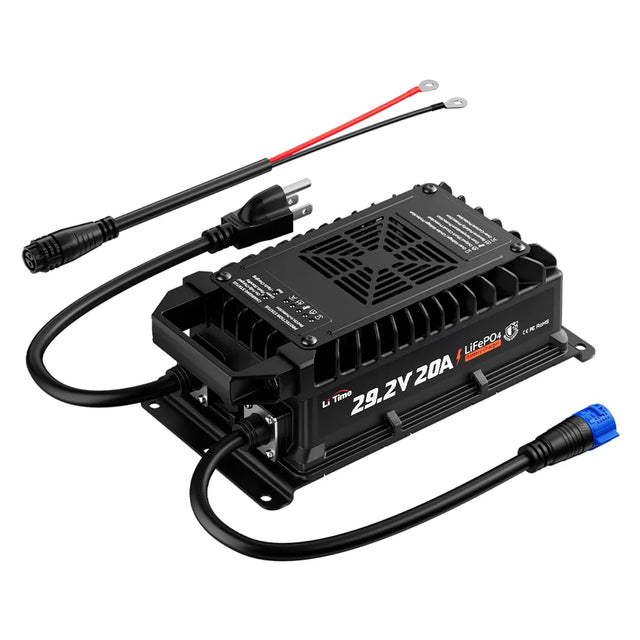

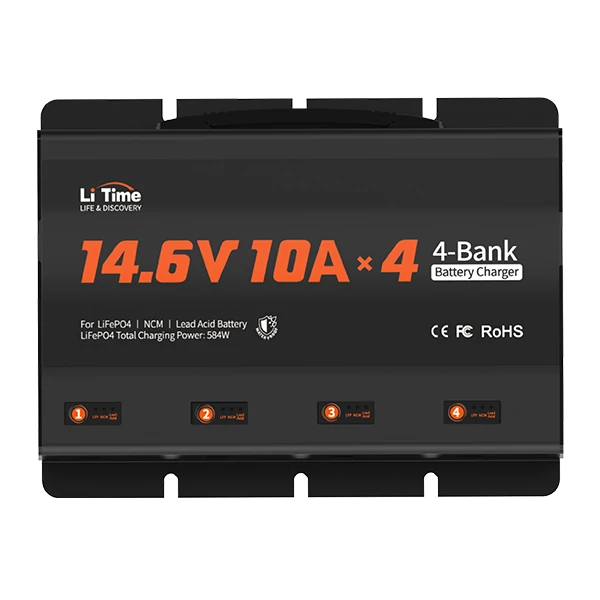

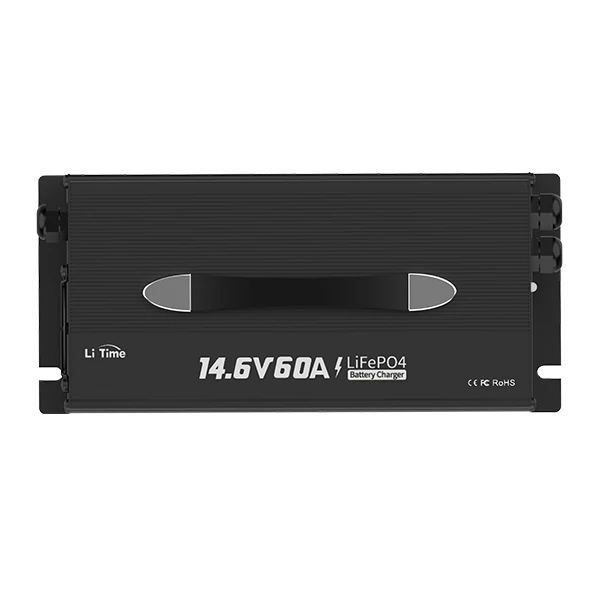









How to Choose Your


 Golf Cart Batteries?


Key Points You Should Know


Let the World Speak for LiTime
Trusted by Experts, Loved by Customers


Powering Events Worldwide


LiTime Reviews: Tested, Proven, Trusted


Your Stories, Our Power
User-Driven Always — Your Feedback Powers Us.


Why LiTime is the Best Choice
The #1 LiFePO4 Battery Choice, Trusted by Over 3.5 Million Users


Exclusive Benefits on Official Purchases
Unlock Special Benefits by Shopping on LiTime Official Website
Official Website Discount
1. Register Warranty & Get 5% OFFClaim a 5% coupon for your next LiTime.com purchase after registering any LT battery warranty, regardless of purchase platform
2. First Order: Up to 8% OFF
New customers save 5% instantly; enjoy 8% OFF during promotional events
3. Military Heroes 8% OFF
Exclusive discount for active/retired military personnel and their families. Available to military personnel who have served or are currently serving in the United States Armed Forces.
4. Refer Friends, Earn Rewards
Your friend saves 8% on their first order → You unlock 8% OFF your next order

Risk-Free Orders
30-Day Price GuaranteeIf the price drops within 30 days, we’ll refund the difference.
30-Day Hassle-Free Returns
Return any new/unopened item within 30 days for a full refund. Return shipping is free if the issue is our fault.

LiFePO4 Experts Support
100% Technician-Led Assistance: No bots—real experts handle your technical queries.24/7 Response: Average reply time under 24 hour via live chat/email.
Customer Support: (+86) 181-2417-3126
Monday to Friday: 17:00-24:00 (PST)
Note: SMS unacceptable
Email: service@litime.com

Free Shipping
Free ShippingFree standard shipping on all orders (No minimum).
Speed Guarantee
Delivery within 2-5 business days (90% arrive in 3 days).
Premium Packaging
Secure, durable packaging to ensure safe delivery.

LiPoints & Rewards
Redeem points for accessories, merchandise, and coupons.Join & Get 200 LiPoints
Earn 200 LiPoints instantly when you join the LiTime membership.
Earn Double Points
Regular: 1 LiPoint per $1 spent.
Promotions: 2 LiPoints per $1 spent.
Bonus Points
Share on Social Media: 50 LiPoints per post.
Birthday Reward: 300 LiPoints during your birthday month.


FAQ
What type of battery do I need for my golf cart?
Most battery for golf carts includes lead-acid and lithium 2 types. Typically, they come from the factory with lead-acid batteries in 6V, 8V, or 12V configurations, wired in series to create a 36V or 48V system. For longer run time, lower maintenance, and extended lifespan, we recommend upgrading to lithium iron phosphate (LiFePO4) batteries. LiTime offers 36V and 48V lithium golf cart batteries for optimal performance.
What should I do when receive the lithium golf buggy battery?
When you receive your golf cart lithium ion battery, please note that it may have a low State of Charge (SOC) due to transportation and storage. For optimal performance, we recommend charging the battery immediately to avoid over-discharge.
For Bluetooth batteries, they may arrive in an off state with a virtual voltage of 3V-5V at the terminals. This is normal and can be resolved by using an AC-DC lithium battery charger or MPPT solar charge controller to charge for 3-10 seconds, which will activate the battery for normal use.
If you plan to store the battery for an extended period without use, charge it to a SOC of 30% to 50% and perform maintenance every three months. This will help preserve its functionality and performance over time.
What voltage battery does my golf cart require?
To find your golf cart's voltage, check your owner’s manual, search for the technical specifications online, or locate the technical/serial number sticker on your vehicle, which usually lists the voltage. Most golf carts are either 36V or 48V.
If you're unable to find the voltage using these methods, you can open the battery compartment and calculate it yourself. Each battery should have its voltage labeled. Multiply the voltage of a single battery by the number of batteries in the bank to determine the system voltage. For example, eight 6V batteries would give you a 48V system.
If you need assistance determining your golf cart's voltage, feel free to contact us at service@litime.com with a photo of your battery tray, and we'll help you figure it out.
How to charge the LiFePO4 lithium golf cart batteries?
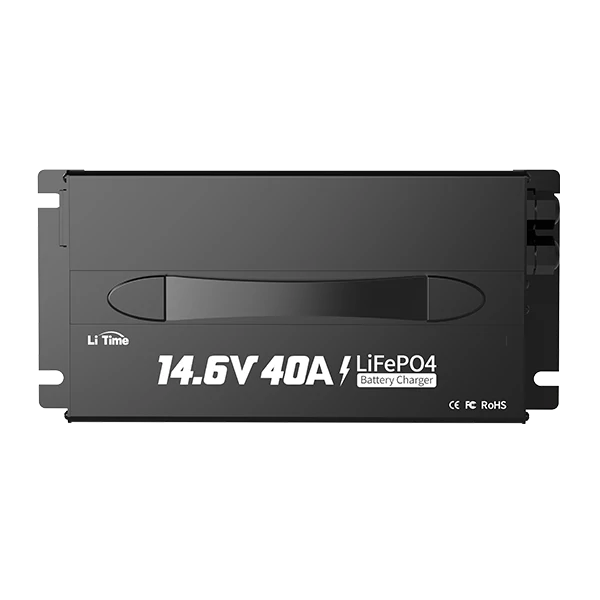
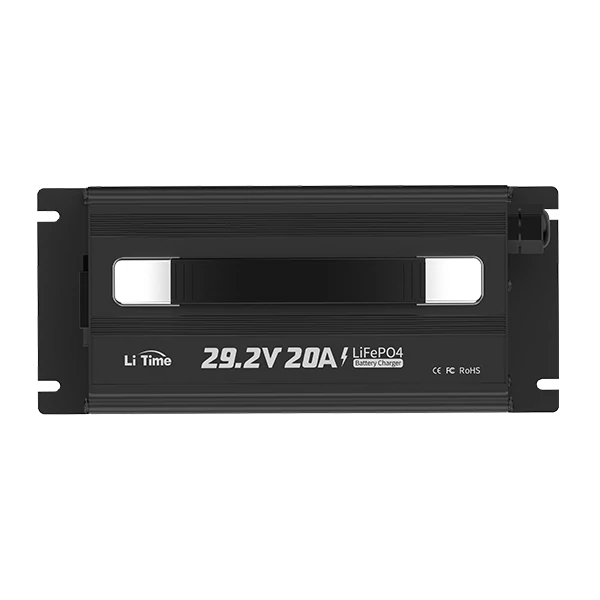
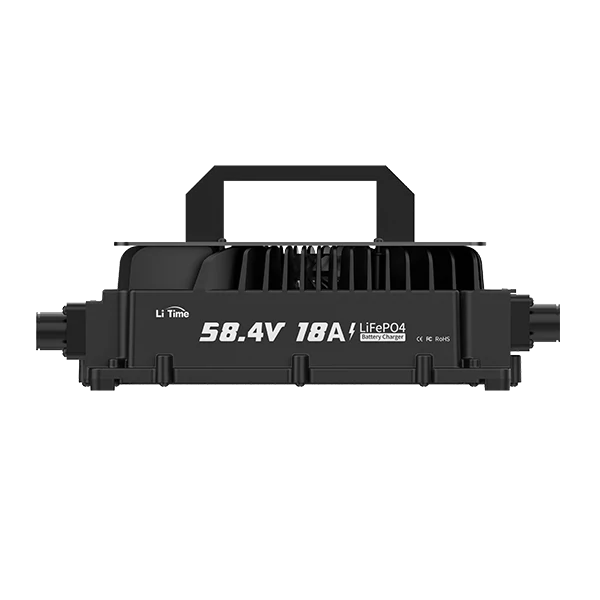
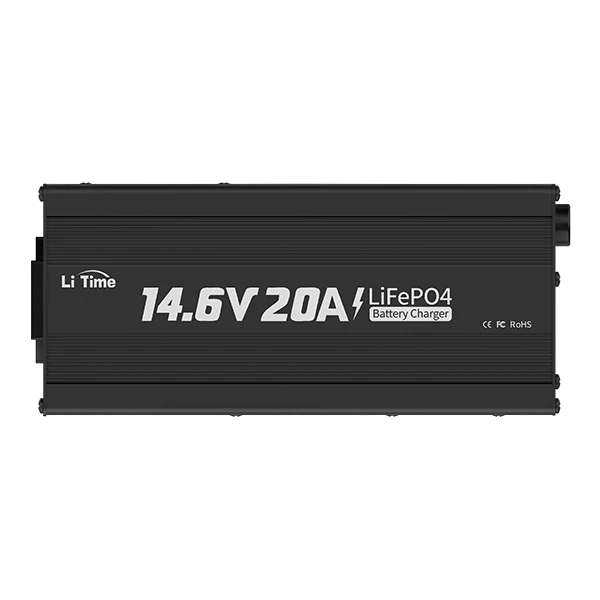
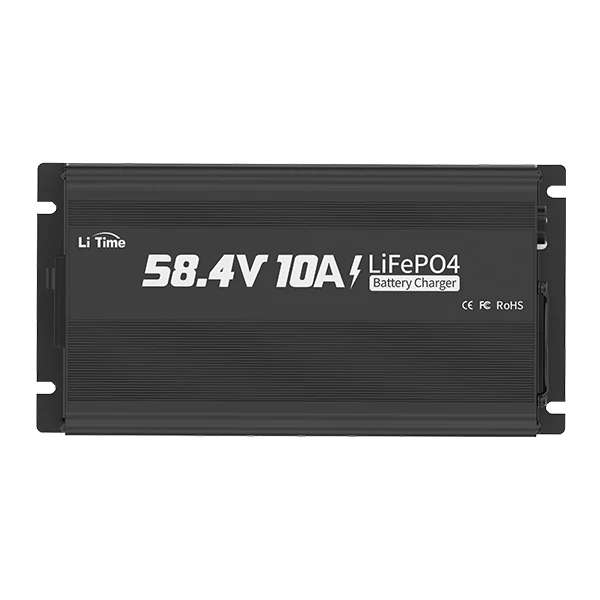
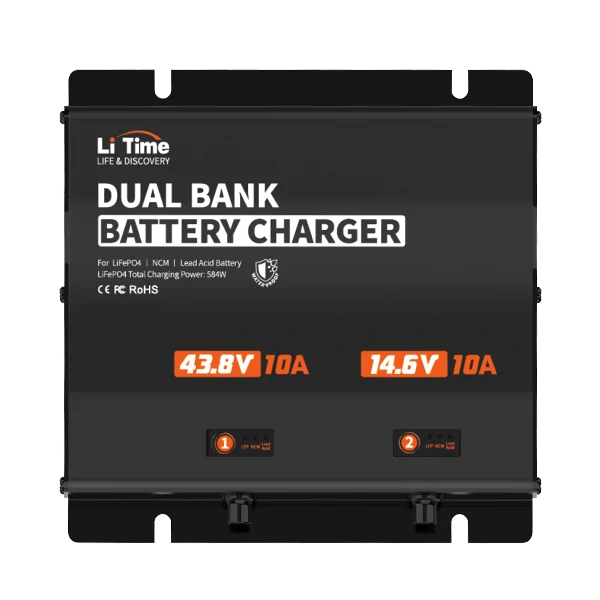
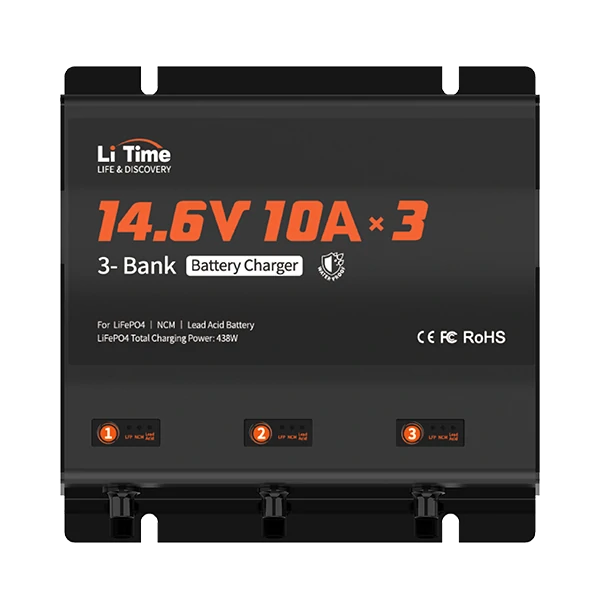
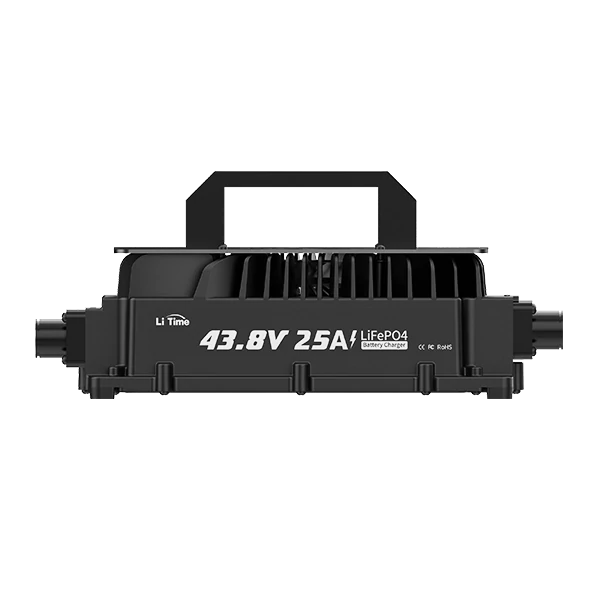
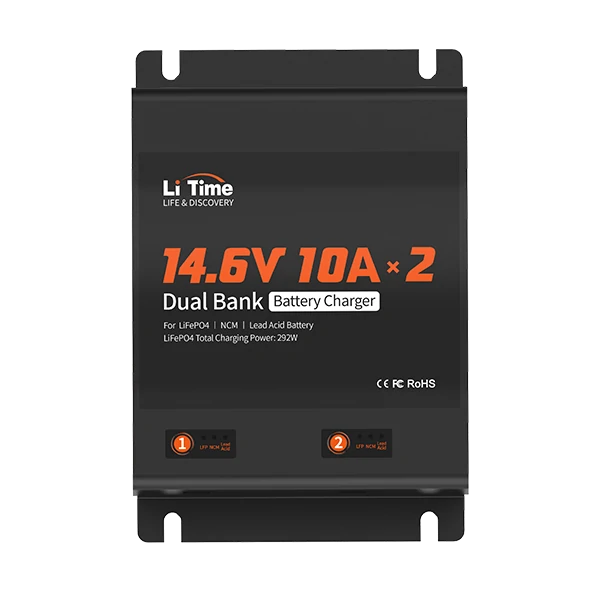
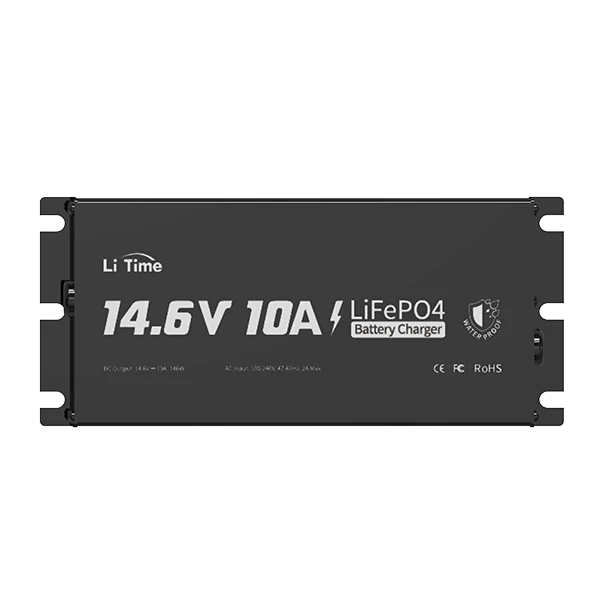
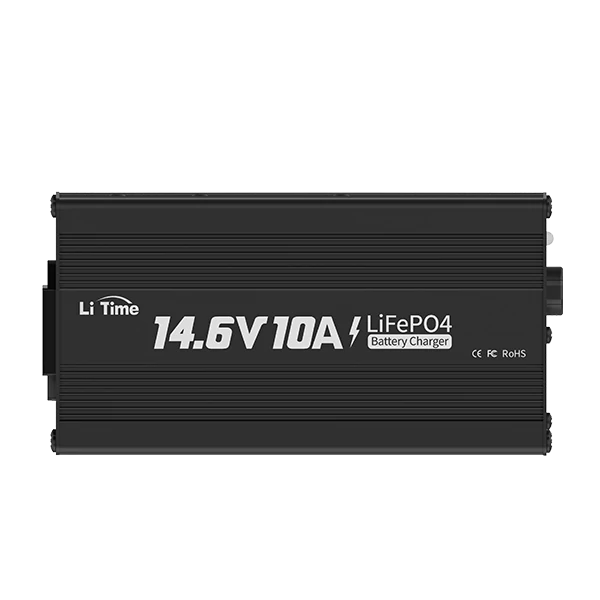
Due to the different charging requirements compared to lead-acid batteries, we recommend using a LiFePO4 lithium battery charger for charging.
Here are the charging options for LiTime golf cart lithium batteries:
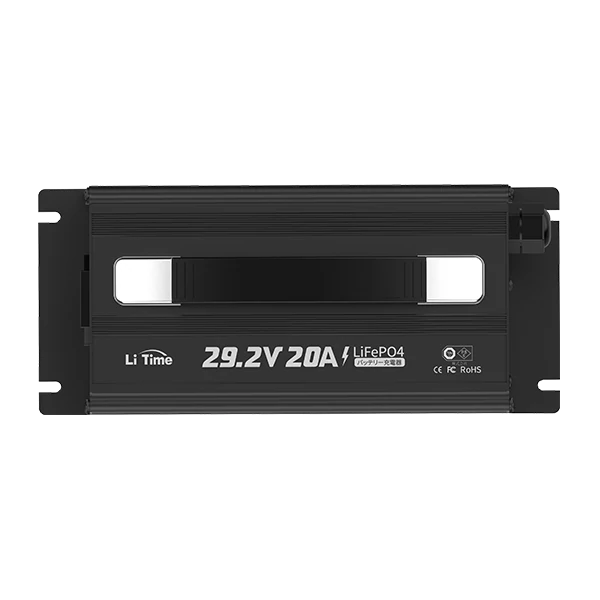
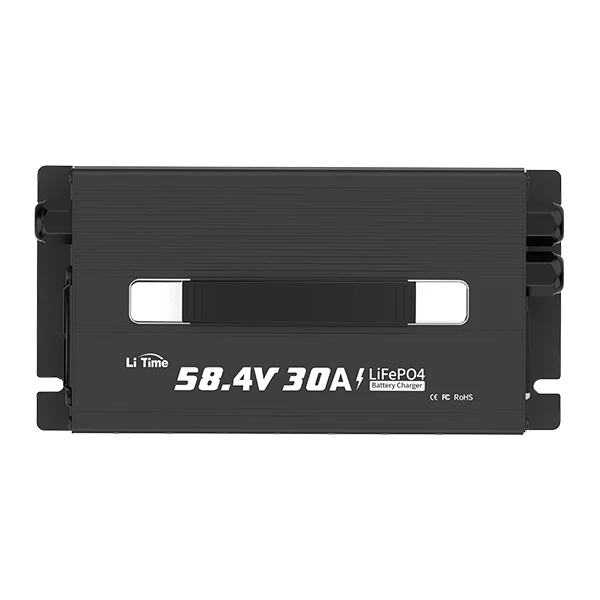
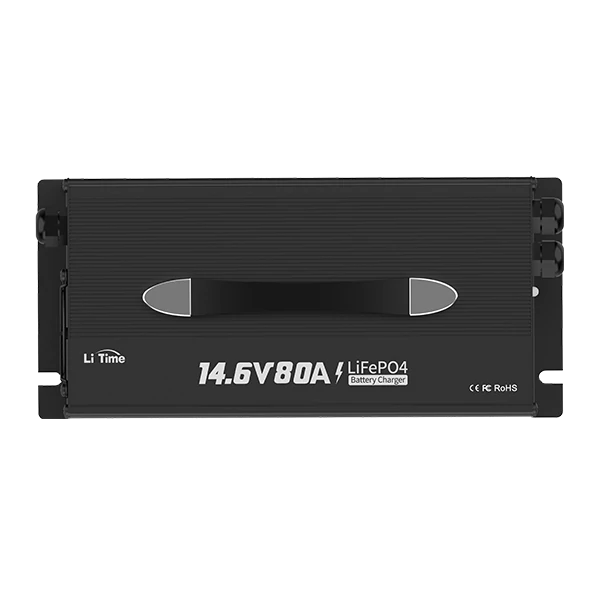
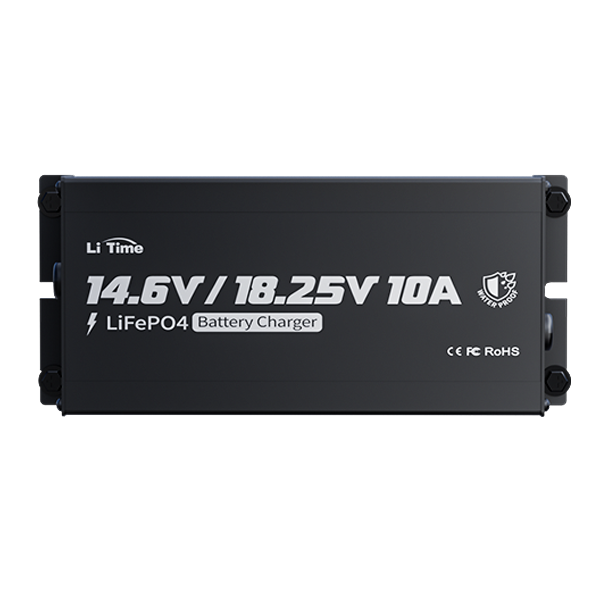
1)AC-DC lithium battery charger: Choose a charger with the correct charging voltage to safely charge the battery.
2) Solar panels: When using solar panels, ensure you connect a solar charge controller for safe charging.
3) Alternator/Generator:
a. If your alternator or generator supports DC output, a DC-to-DC charger is needed to connect the battery.
b. If your alternator or generator supports AC output, use a compatible battery charger as recommended in the product manual to safely connect the battery and generator.
Can golf cart lithium batteries get wet?
Golf cart batteries can handle light rain/splashes, but direct spraying or submersion isn’t recommended; moisture can damage terminals and electronics. while a lithium ion golf cart battery is often rated IP65 (dust-tight, resistant to water jets)—still not meant for immersion.
More on wet-weather use, IP ratings, and maintenance is covered here:[Full Guide] Can Golf Cart Batteries Get Wet
Many ah batteries do l need for a Golf Cart?
The right Ah for a golf cart (and any lithium batteries for golf cart) depends on cart voltage (36V/48V), expected range, terrain, and load—higher-voltage carts typically need fewer Ah.
A practical method is estimating Ah from driving needs; for example, a 48V cart going ~15 miles at ~20Ah/mile would target about 300Ah.
Calculation steps and LiTime range references are summarized here:[Full Guide] How Many Ah Batteries Do I Need for a Golf Cart
How to convert a golf cart battery to a lithium battery?
A golf cart can be converted from lead-acid to lithium by matching the cart’s system voltage (commonly 36V or 48V), installing the lithium pack securely, and using a lithium-compatible charger; carts with 12V accessories may also need a DC-DC converter.
The process typically includes assessing voltage and capacity needs, disconnecting power (tow mode if available) and removing lead-acid batteries, cleaning/inspecting the tray and cables, installing the lithium pack, wiring positive-to-positive and negative-to-negative (following approved series/parallel diagrams), confirming charger compatibility, then verifying voltage and performing a short test run.
Should water be added to lithium golf cart batteries before or after charging?
Water should be added after charging, using distilled water only.
Charging expands electrolyte, so filling before charging can cause overflow; the water level should cover the plates without overfilling. For maintenance-free operation, a lithium battery for golf cart avoids watering altogether.
Read on When and How to Add Water to Golf Cart Batteries ahout full timing, level targets, and steps.
Is it OK to leave a LiFePO4 golf cart battery on the charger?
Although it is generally safe to leave a LiFePO4 battery on the charger, as both the charger and the battery itself have a BMS to prevent overcharging, it’s still best to monitor the charging process.
Once the battery is fully charged, disconnecting it promptly is recommended to avoid unnecessary damage.
For convenience, LiTime offers chargers with Anderson connectors, allowing you to stop charging simply by unplugging the Anderson connector without needing to separate the battery terminals from the screws after charging.
However, for optimal safety, it’s advised to first unplug the AC plug before disconnecting the Anderson connector.
Read on Should I Leave My Golf Cart Plugged in All the Time for more information.
How long do lithium golf cart batteries last?
With proper maintenance, lead-acid golf cart batteries often last about 4–6 years, while a lithium battery for golf cart typically lasts longer and requires no watering.
For flooded lead-acid batteries, add distilled water after charging—charging expands electrolyte, and low water can expose plates, causing sulfation and shortening lifespan; the level should cover plates without overfilling (about 1/4–1/2 inch above plates). LiTime’s guides detail lifespan factors and correct watering steps:How Long Does A Golf Cart Battery Last?
