


Overlanding is a fast-growing outdoor adventure that combines self-sufficient off-roading, wilderness camping, and remote exploration, standing out from regular road trips and traditional camping. It requires reliable, terrain-ready equipment to tackle rugged, off-grid environments safely and comfortably.
A well-planned overlanding gear list is essential for all overlanding trips, whether you’re new to the hobby or planning a long-distance expedition. Below, we cover essential gear, premium upgrades, and trip-based packing checklists to help you prepare for your next off-road adventure.
Part1: What is Overlanding Gear? Why do You Need?
Overlanding is a form of vehicle-based, self-reliant travel that focuses on exploring remote destinations over multiple days or even weeks. Unlike traditional camping, where the main goal is often staying at a single campsite, overlanding emphasizes the journey itself. Travelers may drive through highways, dirt roads, mountain trails, deserts, or other remote areas while carrying the supplies and equipment needed to remain self-sufficient along the way.

Overlanding gear refers to the equipment that helps you travel, camp, and live safely and comfortably away from established facilities. It can include recovery tools, navigation and communication devices, camping and cooking equipment, food and water storage, first-aid supplies, vehicle repair tools, and off-grid power equipment such as auxiliary batteries, solar panels, DC-DC chargers, and inverters.
The right overlanding gear is important because access to fuel, electricity, clean water, repair services, and emergency assistance may be limited in remote areas. Recovery equipment can help when a vehicle gets stuck, while navigation and communication tools help you stay on route and contact others when necessary. A reliable camping setup provides shelter, food, and water, while an off-grid power system keeps essential devices such as refrigerators, lights, phones, and navigation equipment running.
Ultimately, overlanding gear is not simply about carrying more equipment. It is about preparing for the conditions, distance, and duration of your trip so you can remain safer, more self-sufficient, and more comfortable when traveling beyond conventional campgrounds.
Part2: Essential Overlanding Gear List
Essential overlanding gear consists of non-negotiable items that form the foundation of any off-road adventure, no matter the trip length. These core pieces prioritize safety, basic survival, and fundamental functionality, making them mandatory additions to every overlanding gear list.
| Essential Gear | Specific Items to Pack | Why You Need It |
|---|---|---|
| Recovery Gear | Recovery straps, soft shackles, traction boards, shovel, recovery points, work gloves | Helps free a vehicle from mud, sand, snow, or uneven terrain and supports basic self-recovery. |
| Tire Repair Kit & Air Compressor | Tire plug kit, tire pressure gauge, portable air compressor, valve tool, spare tire, jack | Helps repair minor punctures, adjust tire pressure, and handle tire problems away from repair shops. |
| First Aid Kit | Bandages, gauze, antiseptic wipes, medical tape, gloves, scissors, basic medications | Provides basic supplies for treating minor injuries and handling common emergencies in remote areas. |
| Navigation Tools | GPS device, offline maps, paper maps, compass, downloaded route information | Helps you stay on route when cellular service or internet access is unavailable. |
| Communication Device | Mobile phone, two-way radio, satellite communicator, charging cable, power bank | Provides a way to communicate with your group or request assistance when necessary. |
| Basic Vehicle Tools & Spare Parts | Wrenches, screwdrivers, pliers, socket set, spare fuses, jumper cables, fluids, spare belts or hoses | Allows you to handle minor vehicle problems and basic roadside repairs. |
| Food & Cooking Equipment | Camping stove, fuel, cookware, utensils, knife, cutting board, cooler, food containers, can opener | Provides the equipment needed to store food and prepare meals away from developed campsites. |
| Drinking Water & Water Storage | Drinking water, water jugs, reusable bottles, collapsible water containers | Ensures you have enough water for drinking, cooking, and basic campsite needs, with extra capacity for emergencies. |
| Tent & Sleeping Gear | Tent or vehicle tent, sleeping bag, sleeping pad or mattress, pillow, groundsheet | Provides shelter, insulation, and a comfortable place to rest overnight. |
| Portable Lighting | Headlamp, flashlight, camping lantern, spare batteries, rechargeable light | Provides visibility for setting up camp, cooking, vehicle checks, and moving safely after dark. |
| Fire Extinguisher | Vehicle-rated fire extinguisher, fire blanket | Provides basic protection against cooking, electrical, or vehicle-related fires. |
| Basic Power Supply | USB charger, power bank, 12V socket adapter, portable power station, auxiliary battery | Keeps phones, lights, GPS devices, cameras, and other essential electronics powered during the trip. |
Part3: Overlanding Upgrade Equipment List
While essential gear covers basic survival and safety needs, overlanding upgrade equipment elevates your adventure by improving convenience, comfort, and off-road performance. These optional upgrades are ideal for frequent overlanders, longer trips, or travelers who want a more luxurious and seamless wilderness experience.
| Upgrade Equipment | How It Improves Your Trip |
|---|---|
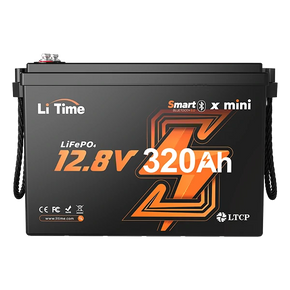
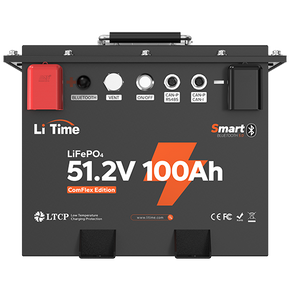
| LiFePO4 Auxiliary Battery | Provides a larger, dedicated energy supply for refrigerators, lighting, electronics, and other camping equipment without relying on the starter battery. |
| Solar Panels | Recharge the auxiliary battery during the day and reduce dependence on shore power or generators. |
| DC-DC Charger | Uses alternator power to safely recharge the house or auxiliary battery while driving. |
| Power Inverter | Converts battery DC power into AC power for laptops, small appliances, and other household-style devices. |
| Battery Monitor | Helps track battery state of charge, power consumption, and remaining energy. |
| Portable Fridge/Freezer | Keeps food and drinks cold during longer trips without relying on ice. |
| Roof Tent | Provides faster camp setup and keeps the sleeping area elevated from wet or uneven ground. |
| Awning | Adds shade and weather protection around the campsite. |
| Portable Shower | Improves comfort and hygiene during multi-day trips in remote areas. |
| Water Filtration System | Helps improve access to usable water during longer journeys where resupply opportunities are limited. |
| Winch | Provides stronger self-recovery capability for difficult off-road conditions. |
| Advanced Recovery Boards | Improve traction and recovery capability on sand, mud, or snow. |
| Satellite Communicator | Provides more reliable communication when traveling beyond cellular coverage. |
| Extra Fuel Storage | Extends driving range in areas where gas stations are far apart. |
| Upgraded Suspension | Can improve vehicle handling and load capacity when carrying heavier overlanding equipment. |
| Organized Storage System | Drawers, roof racks, and cargo organizers make frequently used gear easier to access. |
Part 4: Overlanding Gear Checklist by Trip Length
As your overlanding trip gets longer, your needs for food, water, power, vehicle maintenance, and emergency supplies increase. A short weekend trip may only require basic camping and recovery gear, while a week-long journey calls for more storage, backup supplies, and a reliable off-grid power system. Use the following overlanding gear checklists as a starting point and adjust them based on your route, vehicle, weather, and access to supplies.
4.1 Overlanding Gear Checklist for 1–3 Day Trips
For a short weekend overlanding trip, focus on the basics needed for safe driving, camping, cooking, and emergency preparedness. Since food, water, and power needs are relatively limited, you usually do not need a complex off-grid setup.
Recommended gear:
- 1 tent
- 1 sleeping bag per person
- 1 sleeping pad per person
- About 1 gallon (3.8 L) of drinking water per person per day, plus emergency reserve
- 3 days of meals and snacks per person
- 1 camping stove
- 1 basic cookware set
- 1 cooler or small portable fridge
- 1 first aid kit
- 1 GPS device or offline map setup
- 1 phone per person with charging cables
- 1 headlamp or flashlight per person
- 1 camping lantern
- 1 basic recovery kit
- 1 tire repair kit
- 1 portable air compressor
- 1 basic vehicle tool kit
- 1 fire extinguisher
- 1 portable power station or auxiliary power source
- 1–2 power banks as backup
For a 1–3 day trip, keeping the setup simple and lightweight is usually more practical than carrying equipment designed for extended off-grid stays.
4.2 Overlanding Gear Checklist for 4–7 Day Trips
A 4–7 day overlanding trip requires more careful planning because you need to support several days of food storage, water consumption, electronics, and vehicle-based camping. Reliable power also becomes more important, especially if you use a refrigerator and charge multiple devices every day.
In addition to the short-trip essentials, consider adding:
- About 1 gallon (3.8 L) of drinking water per person per day, with 1–2 days of reserve water
- 4–7 days of food per person, plus 1–2 days of emergency food
- 1 portable fridge/freezer
- 1–2 extra fuel containers where permitted and appropriate
- 1 complete vehicle tool kit
- 1 set of spare fuses
- 1 set of essential vehicle fluids
- Basic spare parts such as belts, hoses, and bulbs
- 2 recovery boards
- 1 portable camping table
- 1 chair per person
- 1 awning or weather shelter
- 1 primary communication device
- 1 backup communication device if traveling remotely
- 1 auxiliary LiFePO4 battery
- 1 DC-DC charger
- 1–2 portable or fixed solar panels, depending on power demand
- 1 solar charge controller
- 1 battery monitor
At this stage, an auxiliary battery system can help keep your refrigerator, lights, phones, cameras, and other devices running without relying on the vehicle's starter battery.
4.3 Overlanding Gear Checklist for Trips Longer Than One Week
For overlanding trips lasting more than a week, self-sufficiency becomes much more important. You may spend extended periods away from campgrounds, gas stations, stores, electrical hookups, and repair services, so your setup should include additional supplies and backup options.
Recommended long-term overlanding gear includes:
- At least 1 gallon (3.8 L) of drinking water per person per day between resupply points
- 2–3 additional days of emergency water
- 7+ days of food or enough food to reach the next planned resupply point
- 2–3 days of emergency food
- 1 large-capacity water storage system
- 1 water filtration system
- 1 portable shower
- 1 fridge/freezer
- 1–2 extra fuel containers, depending on route and legal requirements
- 1 comprehensive recovery kit
- 1 winch where terrain justifies it
- 2–4 recovery boards
- At least 1 full-size spare tire
- 1 complete spare-parts and vehicle-fluid kit
- 1 satellite communicator
- 1 awning or additional weather shelter
- 1 organized cargo storage system
- 1 LiFePO4 auxiliary battery bank sized to daily energy use
- 2 or more solar panels if required by the power system
- 1 DC-DC charger
- 1 MPPT solar charge controller
- 1 power inverter
- 1 battery monitor
- At least 2 charging methods, such as alternator charging plus solar
For longer journeys, the off-grid electrical system becomes one of the most important parts of the setup. A properly sized LiFePO4 battery combined with solar and alternator charging can provide a more dependable source of energy for refrigeration, lighting, communication equipment, electronics, and other daily loads.
Part5: FAQs about Overlanding Gear List
What is the most forgotten item when camping?
There is no single most-forgotten camping item, but small essentials such as a flashlight or headlamp, charging cables, extra batteries, a first aid kit, and a can opener are commonly overlooked. Using a camping checklist before departure can help make sure important gear is not left behind.
What gear to have to overland for the first time?
For your first overlanding trip, focus on essential gear rather than buying everything at once. Bring basic recovery equipment, a tire repair kit, first aid supplies, navigation and communication tools, food and water, sleeping gear, cooking equipment, lighting, vehicle tools, and a reliable power source. Start simple and upgrade your setup as you gain experience.
Is overlanding an expensive hobby?
Overlanding can be expensive, but it does not have to be. Costs depend largely on your vehicle, trip length, destinations, and desired comfort level. Beginners can start with basic camping and recovery gear, while advanced upgrades such as LiFePO4 batteries, solar systems, roof tents, winches, and suspension modifications can increase the overall investment.
Is 4x4 necessary for overlanding?
No, a 4x4 vehicle is not necessary for every overlanding trip. A 2WD vehicle can handle many paved roads, maintained dirt roads, and established camping routes. However, 4x4 becomes more valuable when traveling through mud, sand, snow, steep terrain, or remote trails where additional traction and recovery capability may be needed.
Conclusion
A well-planned overlanding gear list should cover safety, recovery, shelter, food, water, navigation, and reliable off-grid power. As trips become longer, dependable electricity becomes increasingly important for running refrigerators, lights, phones, communication devices, and other essential equipment.
For travelers building a more self-sufficient overlanding setup, a LiFePO4 battery can provide a practical foundation for the off-grid power system. LiTime offers lithium battery options for vehicle-based and outdoor power applications, helping you store energy from solar panels or a DC-DC charger and keep essential devices powered throughout the journey.

