


For over-the-road drivers, a semi truck is more than a vehicle. During long-distance routes, the sleeper cab can become a place to sleep, eat, relax, work, and recharge between driving shifts. That makes semi truck living very different from ordinary commuting—and it also creates a unique set of daily expenses.
Food, parking, showers, laundry, mobile internet, and everyday supplies all contribute to semi truck living costs. At the same time, keeping the sleeper cab comfortable can require a significant amount of electricity, especially when air conditioning, a refrigerator, a microwave, a coffee maker, electronics, and lighting are used while the truck is parked.
For long-haul drivers, having a reliable and efficient onboard power solution is essential to making semi truck living practical and sustainable in the long run. Without it, daily comfort, rest quality, and even basic living needs inside the sleeper cab can be significantly affected.
What Is Semi-Truck/OTR Living?
Semi-truck living, also called OTR living, refers to the lifestyle of long-haul truck drivers who spend extended periods on the road and use the sleeper cab of a Class 8 truck as their temporary living space.
Unlike local and short-haul drivers, OTR drivers may travel between states and spend nights at truck stops, rest areas, parking lots, freight terminals, or distribution centers. Class 8 trucks are commonly used for interstate freight, container transport, refrigerated transportation, and other long-distance applications. The research data provided for this article notes that these trucks are also an important application for auxiliary power units because drivers often need electricity while the vehicle is parked.
Federal Hours of Service rules also mean that commercial drivers regularly spend substantial periods away from the road. The research material notes an 11-hour daily driving limit within a 14-hour work window, along with required breaks and weekly driving limits.
During those rest periods, the truck effectively becomes a small mobile living space.
A typical sleeper cab may need to support:
- Parking air conditioning
- A 12V refrigerator
- A microwave
- A coffee maker
- A television
- A laptop, phone, and other electronics
- LED lighting and ventilation
- Heating systems when required
The research data identifies air conditioning and refrigeration as the main long-duration electrical loads in a sleeper cab. It lists parking air conditioners at approximately 720–960W and refrigerators at approximately 45–100W, while appliances such as microwaves and coffee makers create higher-power but shorter-duration loads.
As a result, electricity is not simply a convenience for semi truck living. It directly affects whether a driver can rest comfortably, store food safely, prepare meals, use communication equipment, and stay productive while parked.
How Much Does Living in a Semi Truck Cost?
There is no single monthly semi truck living cost that applies to every OTR driver.
The total depends heavily on driving routes, how many nights are spent on the road, whether parking is free or paid, how often the driver eats at restaurants, and what equipment is installed in the sleeper cab.
It is also important to separate living expenses from truck operating expenses.
Personal OTR living expenses normally include food and drinks, showers, laundry, mobile phone and internet service, parking, toiletries, entertainment, and other daily necessities.
Truck operating expenses are a different category and may include diesel fuel, commercial insurance, truck payments, tires, repairs, scheduled maintenance, and other business expenses.
One cost that sits between these two categories is sleeper-cab energy.
When a truck is parked overnight or waiting for loading and unloading, the driver may still need air conditioning, refrigeration, lighting, communication devices, or cooking appliances.
In many cases, drivers rely on engine idling to power these hotel loads, but this comes with a direct fuel cost. A typical Class 8 semi truck consumes about 0.8 to 1.5 gallons of diesel per hour while idling, which means overnight idling (8–10 hours) can use roughly 6 to 15 gallons of fuel. At an average diesel price of around $4–$5 per gallon, this can translate to approximately $25 to $75 per night, or $750 to over $2,000 per month depending on usage and fuel prices.
For this reason, reducing semi truck living costs is not only about spending less on food or parking. Improving the way the sleeper cab receives and uses electricity can also reduce unnecessary operating expenses.
How to Save Semi-Truck Living Costs with a Lithium Battery?
A lithium battery system can store energy for later use, allowing drivers to operate many sleeper-cab appliances without keeping the truck engine running continuously.
For OTR drivers who spend many hours parked each week, this can change the economics of semi truck living in several ways.
- First, a lithium battery can help reduce reliance on engine idling for hotel loads. Instead of running the main diesel engine simply to power a refrigerator, electronics, lights, or other cab equipment, stored battery energy can supply these loads while the truck is stationary.
- Second, battery power can support more convenient food storage and meal preparation. A refrigerator can keep groceries and drinks cold, while an inverter can supply AC power to appliances such as a microwave or coffee maker. Although the savings depend on individual habits, having these appliances available may give drivers more flexibility to prepare food in the cab instead of relying entirely on truck-stop meals.
- Third, an electric auxiliary power system can reduce some of the mechanical complexity associated with diesel-based auxiliary systems. According to the research material, electric EAPU systems offer advantages such as quieter and cleaner operation, relatively simple construction, longer service life, and lower maintenance requirements.
However, getting these benefits depends on choosing the right battery capacity.
The sleeper cab can be surprisingly energy intensive. A parking air conditioner can account for approximately 4.8–5.4 kWh over an extended rest period, while the refrigerator may use another 0.1–0.2 kWh. Under a heavy-use scenario, total daily electrical demand could reach approximately 6.6 kWh. With an additional 10% reserve, the estimated minimum battery capacity rises to approximately 7.26 kWh.
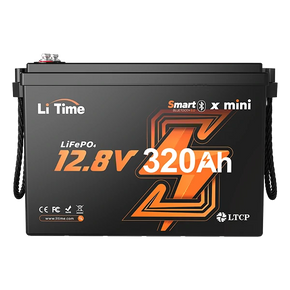
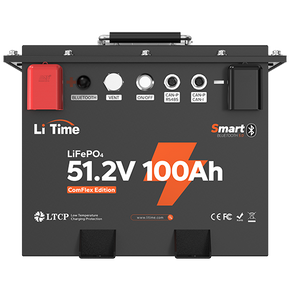
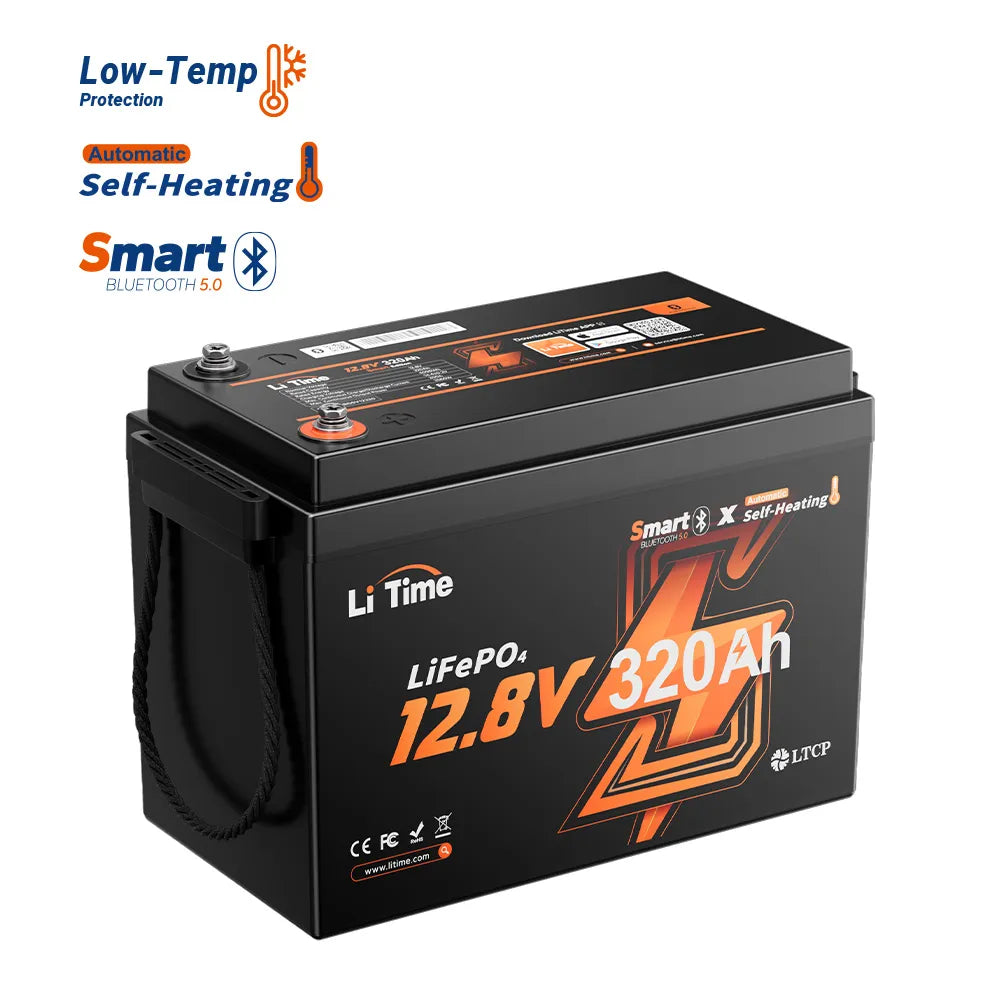
To meet an estimated daily energy requirement of at least 7.26 kWh, a practical option is to use two LiTime 12V 320Ah Self Heating Lithium Batteries for Truck. Each battery provides 4,096Wh of energy, giving the two-battery system a total capacity of 8.192 kWh.
This does not mean every semi truck needs a 7.26 kWh battery bank. A driver who rarely uses parking air conditioning may require considerably less energy, while a driver operating in hot climates for long rest periods could require more.
A better approach is to calculate actual energy consumption based on appliance wattage and expected runtime.
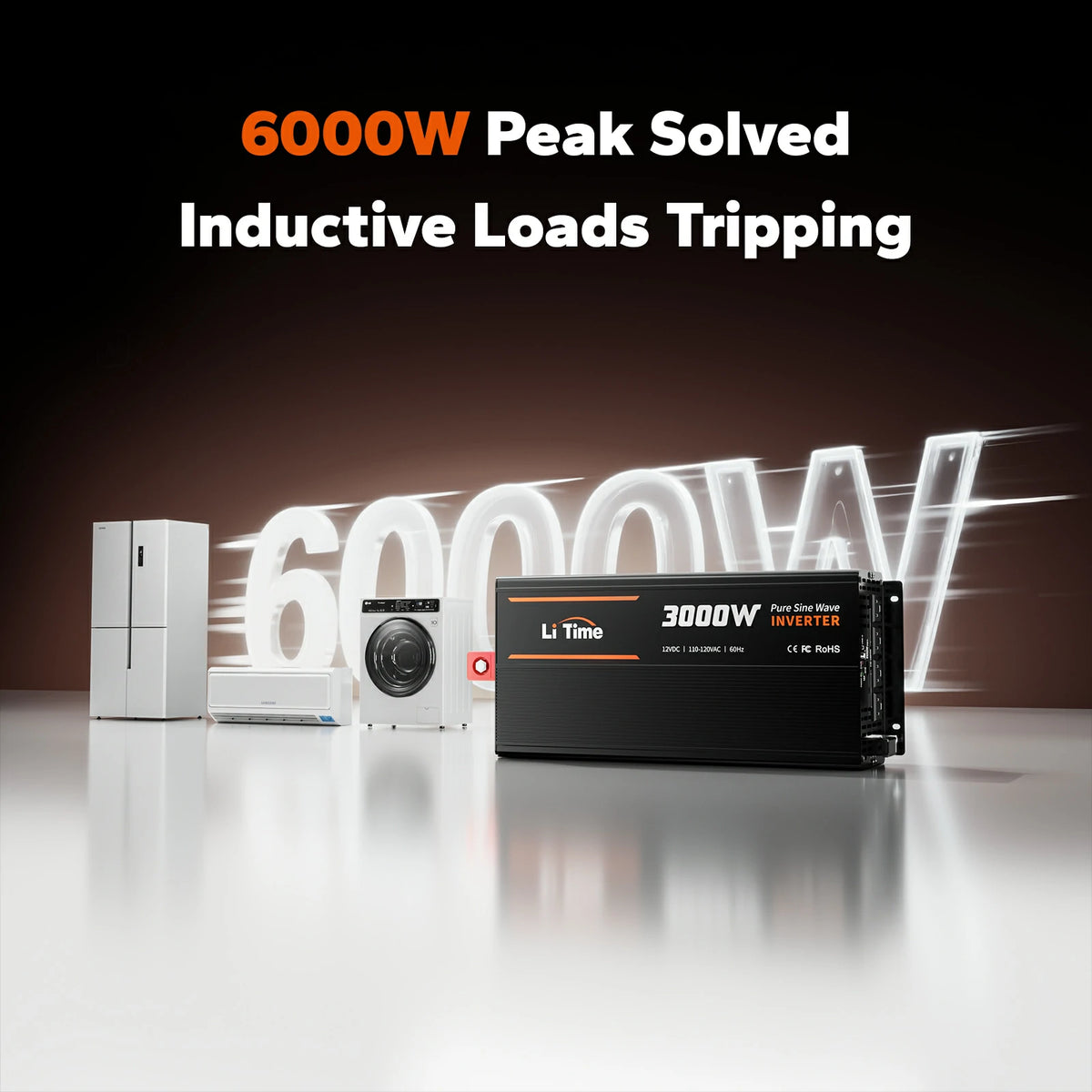
For example, a typical sleeper-cab microwave operates at approximately 700–900W, a coffee maker at approximately 600–1,000W, a television at approximately 20–70W, and electronic devices below approximately 300W. It also suggests that a 2,000W or 3,000W inverter can accommodate many common truck-living appliances when the complete system is properly designed.

Why Do You Need a Lithium Battery for OTR Living?
The main value of a lithium battery for OTR living is that it separates sleeper-cab comfort from continuous engine operation.
When the truck stops, life inside the sleeper cab does not stop. The driver may still need cooling or heating, refrigeration, lighting, communication, entertainment, and power for basic appliances.
A properly sized lithium battery bank can support these needs while helping create a quieter environment during mandatory rest periods.
That can be especially useful for several reasons.
1. A quieter sleeper environment can make rest more comfortable than sitting next to an idling diesel engine or generator. Electric systems also avoid local exhaust emissions at the point of use and can reduce the amount of time that mechanical auxiliary equipment must operate.
2. Lithium batteries are also well suited to repeated energy storage applications where the battery is regularly charged and discharged to support hotel loads. Combined with an appropriate charging system, inverter, protection equipment, and battery monitoring, they can form the core of an electric APU-style setup.
3. They also work particularly well with the 12V DC loads commonly found in sleeper cabs. The two major long-duration loads—parking air conditioning and refrigeration—are commonly 12V DC devices.
4. Self-heating lithium batteries can automatically warm the cells in low-temperature environments, ensuring stable charging and discharging performance even in extreme cold conditions, which makes reliable power supply possible for OTR drivers operating in harsh winter regions.
Conclusion
Semi truck living is a practical reality for many OTR drivers. A Class 8 sleeper cab may serve as a bedroom, kitchen, office, and rest space for days or weeks at a time, which means everyday comfort depends heavily on access to reliable electricity.
A properly sized lithium battery system can power essential hotel loads while the truck is parked, reduce dependence on unnecessary engine idling, support refrigerators and cooking appliances, and provide a quieter living environment. Electric auxiliary systems may also reduce some maintenance requirements compared with mechanically more complex diesel solutions.

