


For every RV owner, understanding RV shore power is non-negotiable for safe, comfortable, and uninterrupted road travel and campsite stays. Whether you’re a full-time RVer, a weekend camper, or a seasonal traveler, shore power serves as the primary external electrical source that keeps your RV’s lights, appliances, climate systems, and electronic devices running smoothly.

This comprehensive guide breaks down everything about RV shore power, including its core functionality, amperage types, comparisons with other power sources, safe connection steps, troubleshooting solutions, and alternative backup power options.
What Is RV Shore Power? How It Works, Amperage & EMS Management
What Does Shore Power Mean on an RV?
RV shore power refers to grid-based alternating current (AC) electricity supplied by external stationary power pedestals at campgrounds, RV parks, marinas, and designated roadside camping spots. The term “shore power” originated from marine terminology, describing power access from land (the shore) rather than onboard fuel or battery systems, and it has since become the standard term for RV external grid power.

RV shore power provides continuous, unlimited AC power matching household electrical standards. It is designed to run high-wattage RV appliances that batteries cannot support long-term, including air conditioners, electric water heaters, microwaves, refrigerators, and wall outlets.
How Does RV Shore Power Work?
The RV shore power system operates through a straightforward, structured electrical workflow that converts and distributes external grid power to match your rig’s electrical needs. When you plug your RV into a shore power pedestal via a dedicated shore cord, external AC electricity first enters the RV’s main electrical panel. From there, the power splits into two critical functions to support full RV operation.
First, direct 120V AC power feeds all AC-only appliances and outlets in the RV, enabling instant use of high-power devices without draining battery reserves.
Second, the onboard converter transforms excess AC power into 12V DC electricity to charge the RV’s house batteries and sustain low-voltage DC systems, such as interior lights, water pumps, slide-out controls, and thermostat functions.
This dual-operation system ensures your RV runs on stable grid power for heavy loads while maintaining fully charged batteries for backup use during power outages or off-grid travel.
RV Shore Power Amperage Types: 15A, 30A & 50A Explained
Shore power amperage determines the maximum electrical load your RV can safely draw from a grid pedestal, and choosing the right amperage match is critical to avoid tripped breakers, overheating cords, or damaged electrical components. There are three standard shore power amperage ratings for recreational vehicles, each tailored for different RV sizes and power demands.
| Specs | 15 Amp Shore Power | 30 Amp Shore Power | 50 Amp Shore Power |
|---|---|---|---|
| Voltage | 120V | 120V single-phase | 120/240V split-phase |
| Max Wattage | ~1,800 W | up to 3,600 W | up to 12,000 W |
| Typical RV Fit | Temporary / small-device use | Mid-size travel trailers, small motorhomes, pop-up campers | Large luxury motorhomes, fifth wheels, full-size travel trailers |
| Common Locations | Primitive campgrounds, residential driveways, remote spots | Most standard RV parks & campgrounds | Premium RV parks, full-service campsites |
| Supported Devices | Phone chargers, LED lights, small fans | Single rooftop AC, fridge, microwave, basic lighting | Dual rooftop ACs, residential-style fridge, electric stove, water heater, multiple electronics simultaneously |
| Limitations | Cannot run high-power appliances (AC, electric heater); only for minimal temporary power | Must manage loads; multiple heavy-draw items together will trip breakers | Few load restrictions; best for full-time RV living |
Managing RV Shore Power by EMS
An Electrical Management System (EMS) is a non-negotiable safety and efficiency upgrade for all RV shore power users, far more effective than basic surge protectors. While standard surge strips only absorb minor voltage spikes, an EMS actively monitors incoming shore power 24/7 and protects your RV’s entire electrical system from dangerous grid irregularities.
Core EMS functions include real-time voltage monitoring, reverse polarity detection, open ground/open neutral fault detection, and over-current protection. When the system detects unsafe power conditions—such as low campground voltage, power surges, faulty pedestal wiring, or excessive power draw—it automatically disconnects shore power within milliseconds to prevent damage to converters, inverters, appliances, and battery systems.
Beyond safety protection, modern EMS units feature intelligent load management. For RVers using a 50-amp rig on a 30-amp pedestal with an adapter, the EMS actively tracks real-time power usage and automatically sheds non-essential loads (like auxiliary AC units or water heaters) before exceeding the amperage limit. This eliminates constant breaker tripping and allows safe, stress-free use of mismatched power sources. For full-time RVers who frequently switch campgrounds with inconsistent power quality, an EMS is the best investment to extend electrical system lifespan.
RV Shore Power vs Battery vs Solar vs Generator
Every RV power source has unique strengths, limitations, and ideal use scenarios. Understanding the differences between shore power, house batteries, solar panels, and portable generators helps you build a reliable hybrid power system for both on-grid and off-grid camping. Below is a detailed functional comparison for optimal power planning.
RV Shore Power
As the primary on-grid power source, it offers unlimited runtime, zero fuel costs, zero noise, and stable clean power. It supports all high-wattage appliances and charges batteries passively. The only limitation is dependency on external grid pedestals—unavailable for boondocking or remote off-grid camping. It is the most cost-effective, low-maintenance power option for campsite stays.
| Pros | Cons |
|---|---|
|
|
RV House Batteries
On-board DC energy storage available in lithium or lead-acid types. It runs low-voltage RV equipment and delivers AC power through an inverter. Applied for short-term boondocking, off-grid standby and emergency power when shore power is inaccessible.
| Pros | Cons |
|---|---|
|
|
RV Solar Power
Renewable power system that captures sunlight to charge batteries and supply electrical loads. Suited for dry camping and boondocking, daytime battery top-ups and low-to-medium power needs in noise-limited camping areas.
| Pros | Cons |
|---|---|
|
|
RV Generator
Fuel-operated equipment that outputs AC power consistent with shore-power quality. Deployed for remote off-grid camping with high-wattage equipment demands, emergency backup during shore power failures and off-grid battery charging.
| Pros | Cons |
|---|---|
|
|
How to Connect RV to Shore Power: Step-by-Step Usage & Safety Tips

Improper shore power connection is the leading cause of RV electrical damage, short circuits, and safety hazards. Following a standardized, safe connection process ensures stable power access while protecting your rig and personal safety. Below is the universal step-by-step procedure and critical safety rules.
Step 1: Prepare and Inspect Equipment
Before connecting power, inspect your shore cord, adapter (if needed), and campground pedestal for physical damage, frayed wiring, rust, or moisture. Confirm the pedestal’s amperage rating matches your RV’s requirements (15A/30A/50A). Never use damaged cords or faulty adapters, as they cause overheating and electrical faults.
Step 2: Power Off All Breakers
Turn off the main breaker on the campground pedestal and all internal appliance breakers inside your RV. This prevents power surges and inrush current from damaging electrical components during connection.
Step 3: Install EMS/Surge Protector First
Plug your certified outdoor-rated EMS or surge protector directly into the pedestal outlet. Wait for the unit to complete its self-test cycle to verify safe wiring, voltage stability, and proper grounding. Do not skip this step—faulty pedestal wiring is extremely common at older campgrounds.
Step 4: Connect RV Shore Cord
Plug one end of your heavy-duty RV shore cord into the EMS unit, then firmly connect the other end to your RV’s external power inlet. Ensure all connections are tight and secure to avoid loose-contact overheating.
Step 5: Restore Power Gradually
Turn on the pedestal main breaker first, then activate internal RV breakers one at a time. Start with low-wattage devices before turning on high-load appliances like AC units and water heaters to avoid sudden system overload.
Critical Safety Tips
- Never use undersized extension cords for long-term shore power use, as they cause severe voltage drop and cord overheating.
- Avoid daisy-chaining multiple adapters or power strips.
- Keep shore cords routed away from high-traffic areas, sharp edges, and standing water.
- Always disconnect power at the pedestal first before unplugging the RV cord.
- Regularly clean power inlet contacts to prevent corrosion-related connection issues.
What to Do When RV Shore Power Doesn’t Work? Troubleshooting Common Issues
Shore power failure is a common RV issue caused by campground pedestal faults, connection errors, overloaded circuits, or onboard electrical problems. Use this systematic troubleshooting guide to diagnose and resolve issues quickly without professional help.
Issue 1: No Power After Connection
First, check if the campground pedestal breaker has tripped and reset it if needed. Inspect your EMS for error codes indicating reverse polarity, open ground, or low voltage—EMS error codes mean the pedestal power is unsafe, not an RV fault. Try plugging into a different pedestal outlet to rule out site-specific power failures.
Issue 2: Frequent Breaker Tripping
This is almost always caused by overloaded power loads. Turn off high-wattage secondary appliances (AC, water heater, dryer) and reset the breaker. If tripping persists with minimal loads, check for short circuits in RV wiring or faulty appliances that draw excess current.
Issue 3: Flickering or Dim Lights
Flickering lights and voltage drops stem from loose connections, damaged shore cords, undersized extension cords, or low campground grid voltage. Tighten all power connections, replace worn cords, and avoid long, thin extension cords. Low grid voltage requires contacting campground staff for resolution.
Issue 4: EMS Keeps Disconnecting Power
Consistent EMS power cuts indicate unsafe incoming power conditions, including unstable voltage, faulty grounding, or wiring defects. Never bypass the EMS to restore power—this will destroy your RV’s electrical system. Relocate to a different campsite with stable power instead.
Issue 5: Hot Shore Cord or Inlet
Overheating cords result from loose connections or overloading. Immediately disconnect power to avoid fire risks, tighten all connections, and reduce appliance load. Replace corroded or damaged power inlets promptly.
How to Power Your RV Without Shore Power? Top Backup Power Solutions
Lithium Batteries (Primary Off-Grid Storage)
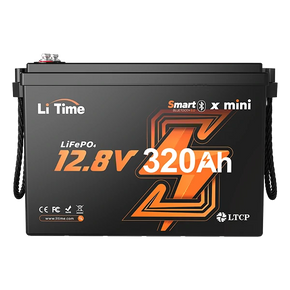
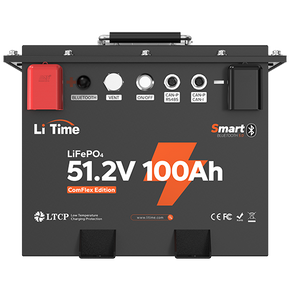
Lithium iron phosphate (LiFePO4) batteries are the gold standard for modern RV off-grid power storage, far outperforming traditional lead-acid batteries. Lithium batteries offer a 100% usable depth of discharge (compared to 50% for lead-acid), longer cycle life, faster charging speeds, and lighter weight. They store DC power to run all low-voltage RV systems and support AC appliances via a pure sine wave inverter.
A properly sized lithium battery bank can power basic RV living systems (lights, water pump, refrigerator, and electronics) for 24–48 hours without recharging. Pairing lithium batteries with solar panels creates a self-sustaining off-grid power system, eliminating reliance on shore power entirely for short-to-medium boondocking trips. The only downside is higher upfront cost, which is offset by long-term durability and zero maintenance requirements.

Solar Power (Renewable Passive Charging)
RV solar systems consist of rooftop solar panels, a charge controller, and battery storage to deliver off-grid power. Solar panels capture sunlight and convert it into electricity. The charge controller regulates this power, feeding it to battery storage for energy reserve. Solar energy can either directly run low-wattage RV devices in real-time or store excess power in batteries for later use.
This setup supplies power for dry and remote camping scenarios when shore power or generators are not accessible. Solar performance varies with weather conditions, and most solar configurations cannot independently operate high-draw appliances such as air conditioners, so pairing with battery storage or generators is required for full RV power demands.
Generator (High-Power Emergency Backup)
Portable or onboard RV generators deliver reliable high-wattage AC power identical to shore power, making them the only off-grid solution capable of running RV air conditioners, electric heaters, and other heavy-load appliances.
- Gas, propane, or diesel generators provide instant power for emergency outages and extended boondocking trips.
- Modern inverter generators run quieter and produce cleaner power than traditional open-frame models, preventing damage to sensitive RV electronics.
Conclusion
RV shore power is the backbone of comfortable, reliable RV living, delivering stable, unlimited grid power to support all onboard appliances and charge your battery system. Mastering shore power basics—including amperage differences, EMS power management, safe connection protocols, and common troubleshooting—eliminates nearly all RV electrical risks and extends the lifespan of your rig’s electrical components.
While shore power is unbeatable for on-grid campsite stays, pairing it with lithium batteries, solar panels, and a generator creates a versatile hybrid power system that works for every camping scenario, from full-service RV parks to remote off-grid boondocking.
FAQS About RV Shore Power
Can I run my RV on shore power without a battery?
Yes, most modern RVs can run basic AC appliances directly on shore power without a functional battery. However, critical 12V DC control systems (thermostats, slide-out controls, water pumps, interior lights) rely on DC power to operate. Without a battery, these low-voltage systems will fail, even if shore power is active. Additionally, running an RV without a battery increases the risk of voltage fluctuations damaging sensitive electronics. It is always recommended to keep a fully functional battery bank installed.
Does shore power charge RV batteries?
Absolutely. When connected to shore power, your RV’s built-in converter automatically converts excess AC power to 12V DC power to charge both house batteries and chassis batteries.
Do you turn on the house battery when on shore power for long periods?
Yes, you should keep your house battery switch turned on during extended shore power stays. Leaving the battery active allows the converter to maintain a continuous float charge, preventing battery self-discharge and preserving battery capacity.
Can I leave my RV plugged into shore power indefinitely?
Yes, it is safe to leave your RV plugged into shore power long-term with a functional EMS and smart converter/charger. Modern charging systems automatically switch to float mode once batteries are fully charged, avoiding overcharging and overheating risks.
How long does it take to charge an RV battery on shore power?
Charging time varies by battery type, capacity, and current charge level. A standard 12V 100Ah lead-acid battery takes 8–12 hours to fully charge via shore power. A 12V 100Ah lithium battery charges faster, typically 4–6 hours, due to higher charge acceptance rates. Severely depleted batteries will require longer charging cycles, while partial discharges recharge in 2–4 hours.
Is RV shore power 110 or 220?
North American standard RV shore power is primarily 110/120V AC for 15A and 30A service. 50A RV shore power uses a 120/240V split-phase system, supporting both 120V standard appliances and 240V high-power equipment. Most RV onboard appliances are designed for 110/120V use; true 220V-only residential power is not standard for consumer RV shore power setups.
Can I run my RV engine while plugged into shore power?
Yes, it is completely safe to run your RV engine while connected to shore power. The engine’s alternator charges the chassis battery independently of the shore power charging system, and the two systems do not conflict. This practice is common in cold weather to run the engine heater while maintaining interior shore power, with no risk of electrical damage.
What happens when you plug a 110v camper into 220V?
Plugging a 110V RV into 220V power causes catastrophic electrical damage. The overvoltage will instantly burn out the RV’s converter, inverter, circuit board, appliances, and battery charging system, and may trigger electrical fires. Most EMS units will detect the overvoltage and cut power immediately to mitigate damage, but unprotected RVs will suffer irreversible component failure. Always verify pedestal voltage before connecting.
Can I plug my 50 amp RV into a 110 outlet?
Yes, you can use a 50A to 15A adapter to plug a 50-amp RV into a standard 110V household outlet, but with severe power limitations. The 110V 15A outlet only provides 1,800 watts of power, so you must avoid running high-wattage appliances (AC, water heater, microwave) simultaneously.
Is it safe to plug your RV into shore power?
Shore power is safe when following proper protocols and using protective equipment. Always use a certified EMS or surge protector, inspect cords and connections before use, avoid overloading circuits, and follow correct plug-in procedures.

