

The right electric outboard motor size depends on your boat’s fully loaded weight, hull type, desired speed, and typical water conditions. A lightweight kayak or inflatable used on a calm lake may need only 700W, while a heavier dinghy or fishing boat may benefit from 2kW or more. Boat length alone is not enough. Always confirm the boat manufacturer’s horsepower, motor-weight, and transom limits before making a final choice.
- 1. Quick Electric Outboard Size Guide
- 2. How Electric Outboard Power Ratings Work: kW vs HP
- 3. Factors That Determine Electric Outboard Size
- 4. Electric Outboard Size by Boat Type
- 5. When Should You Choose a Lower or Higher-Power Motor?
- 6. 700W vs 2kW Electric Outboard: Which Size Fits Your Boat?
- 7. FAQs About Electric Outboard Motor Sizing
Quick Electric Outboard Size Guide
Start with your boat type, fully loaded weight, and typical operating conditions. If you are switching from a gas outboard, the horsepower column provides a familiar reference, but it should be treated as a general gas-outboard power class—not a direct mathematical conversion from watts.
| Boat type or use | Suggested electric power | Approx. HP power | Typical priority |
|---|---|---|---|
| Kayaks and canoes | About 500W–1kW | About 1–3hp | Low system weight, easy control, and efficient cruising |
| Inflatable boats and dinghies | About 700W–2kW | About 2–5hp | Practical cruising and improved load handling |
| Jon boats and small fishing boats | About 2kW and above | About 5hp+ | Greater reserve power and control under load |
| Small sailboats and tenders | About 1–6kW and above | About 2–10hp+ | Dependable maneuvering against wind and current |
These ranges are starting points for displacement-speed operation, not guaranteed matches. The same rated power can produce different results depending on the hull, propeller, load, wind, current, and how the manufacturer defines its horsepower-equivalent rating.
How Electric Outboard Power Ratings Work: kW vs HP
Kilowatts and horsepower both measure power. Electric outboards are typically rated in watts or kilowatts, while gas outboards traditionally use horsepower.
The direct conversion is:
1kW ≈ 1.34hp
1hp ≈ 746W
By this formula, 700W equals about 0.94hp, while 2kW equals about 2.68hp. However, calculated horsepower differs from a manufacturer’s gas-outboard-equivalent rating, which may also reflect motor characteristics, thrust, propeller efficiency, and performance on suitable boats.
For example, the LiTime Argoseeker uses efficient, high-torque brushless motors optimized for low-speed propulsion. Based on approximately 60 lbs of static thrust and small-boat performance, the 700W model is rated as 2hp equivalent. With approximately 120 lbs of thrust and stronger real-world propulsion performance, the 2kW model is rated as 5hp equivalent.

When replacing a gas outboard, use equivalent horsepower as a starting point, then consider loaded weight, hull type, desired speed, and operating conditions.
Factors That Determine Electric Outboard Size
The right electric outboard size is determined by several connected variables. Loaded weight and hull type usually matter more than boat length by itself.
Loaded Boat Weight
Use the boat’s actual operating weight, not its empty or dry weight. Include passengers, the outboard, batteries, fishing equipment, coolers, safety gear, and other supplies.
Added weight increases the power needed to accelerate and maintain control. It can also lower the stern, changing propeller depth and overall handling.
Argoseeker 700W is recommended with a loaded weight of up to 350kg, while the 2kW model supports loaded weights up to 700kg. Actual performance may vary with hull design, water conditions, and weight distribution.
Hull Type and Water Resistance
A narrow kayak or canoe generally moves through the water more easily than a broad inflatable carrying the same load. Inflatable tubes also create windage, while wide fishing boats may have more wetted surface and resistance.
Most small non-planing boats eventually approach their practical hull-speed limit. Beyond that point, adding power can substantially increase energy consumption without producing a proportional speed increase.
Intended Use and Desired Speed
A motor used for quiet weekend cruising has different requirements from one used as the boat’s primary propulsion. Tournament anglers, for example, may value responsive control and reserve power when carrying batteries, electronics, and fishing equipment.
Consider whether you need slow cruising, dependable harbor maneuvering, emergency auxiliary propulsion, or the highest practical displacement speed. The more demanding the job, the more important reserve power becomes.
Wind, Current, and Waves
Calm-water performance does not show how a motor will behave in a headwind or moving current. If you regularly operate on rivers, exposed lakes, or coastal water, choose enough reserve power to maintain control when conditions change.
Power alone does not make an unsuitable boat safe in rough conditions. Always follow local forecasts, operating limits, and boating safety guidance.
Boat and Transom Limits
Check the capacity label, owner’s manual, and transom specifications before installing an outboard. The motor, mounting system, and battery must remain within the boat’s weight and installation limits.
For many U.S. monohull boats under 20 feet, the capacity plate displays maximum weight, persons, and horsepower ratings, although specified exceptions apply. Discover Boating provides an overview of capacity plates.
Electric Outboard Size by Boat Type
Boat type provides a useful starting point, but the final choice must still account for load, hull construction, and water conditions.
Kayaks and Canoes: About 500W–1kW / 1–3 hp
For a lightweight kayak or canoe used on protected water, a 500–700W motor can provide practical cruising power without adding excessive weight. This power range keeps the propulsion system relatively light while providing enough output for everyday recreational use.
The 700W Argoseeker, rated at about 2hp equivalent and designed for boats 2.5–4m long, fits this everyday use case while keeping the propulsion system relatively simple.
Choose power closer to 1kW if the kayak carries substantial fishing equipment, frequently operates in wind or current, or needs more reserve power. Before installation, confirm that the hull, motor mount, and stern can safely support the motor and battery system.

Inflatable Boats and Dinghies: About 700W–2kW / 2–5 hp
Small inflatables and lightly loaded dinghies(typically up to 350kg) may work well with a 700W-class electric outboard. This option is best suited to calm-water cruising, short tender trips, and moderate loads where portability matters.
A larger or more heavily loaded inflatable may benefit from a 2kW motor, especially when propulsion—not occasional positioning—is the main purpose.
Inflatable boats create considerable wind resistance, so weight alone should not determine motor size. Consider tube size, floor construction, transom strength, passenger capacity, and exposure to wind or current before choosing.
Jon Boats and Small Fishing Boats: About 2 kW+ / 5 hp+
A lightly loaded jon boat or small fishing boat weighing approximately 350–700kg may suit a 2kW-class motor when used at moderate displacement speeds. This power level offers greater load-handling capability for passengers, batteries, fishing equipment, and other onboard gear.
Choose 2kW or more when the motor will provide primary propulsion, the boat has a wide or relatively heavy hull, or extra control is needed in wind and current. Boats exceeding 700kg may require substantially more power, depending on their hull resistance and desired speed.
Anglers should include trolling batteries, electronics, livewells, anchors, and fishing gear in the loaded-weight calculation.
Small Sailboats and Tenders: About 1–6kW+ / 2–10hp+
Lightweight tenders weighing under approximately 350kg may use a 1–2kW motor for harbor trips, shore access, and protected-water cruising. A lower-power setup can be sufficient when the boat carries a light load and portability is more important than speed.
Small sailboats weighing around 500–2,000kg or more may require 3–6kW+ for dependable auxiliary propulsion. Displacement, windage, and keel design are especially important because the motor must maintain control during docking, headwinds, currents, or a loss of sailing wind.
Follow the boatbuilder’s recommendation and allow additional reserve for docking, headwinds, or current. Long cruising range also requires matching the battery capacity to the motor’s actual power demand.
When Should You Choose a Lower or Higher-Power Motor?
Choose the lowest power level that safely meets your normal operating needs, with reasonable reserve for realistic conditions. More power can improve load handling, but it also affects battery requirements, system cost, and energy use.
When to choose the Lower-Power Option?
A lower-power electric outboard is often appropriate when:
- The boat and operating load are lightweight
- Most trips take place on calm, protected water
- Moderate cruising speed is sufficient
- Portability and easy installation are priorities
- Longer operation at modest speed matters more than maximum speed
- The motor serves as auxiliary rather than primary propulsion
When to choose the Higher-Power Option?
Consider higher power when:
- You regularly carry passengers or heavy fishing gear
- The motor is the boat’s primary propulsion system
- You frequently encounter wind or current
- The hull has greater resistance or windage
- Stronger acceleration and reserve control are important
- The boat’s horsepower and transom ratings permit the larger system
Why Bigger Is Not Always Better?
A larger motor can require a higher-voltage battery bank, heavier cables, greater discharge capacity, and more expensive supporting equipment. At full output, it will also draw energy faster.
Extra power may deliver only a small speed increase on a displacement hull that is already near its practical hull speed. Oversizing can therefore add weight and cost without meaningfully improving the way the boat is used.
700W vs 2kW Electric Outboard: Which Size Fits Your Boat?
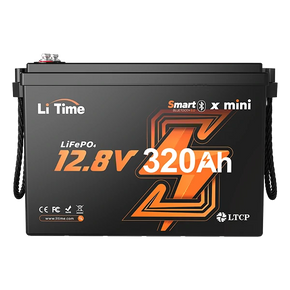
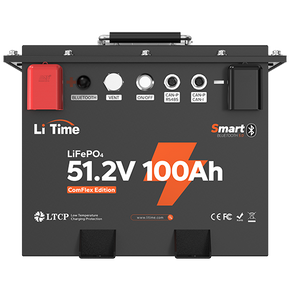
The LiTime Argoseeker 700W is designed for lighter boats and less demanding conditions, while the Argoseeker 2kW provides greater thrust and reserve power for heavier loads. Both use brushless motors, wireless remote control, electric steering, and commonly available LiFePO₄ battery voltages rather than a proprietary battery ecosystem.
| Specification | Argoseeker 700W | Argoseeker 2kW |
|---|---|---|
| Rated power | 700W | 2,000W |
| Gas-outboard equivalent | Approx. 2hp | Approx. 5hp |
| Voltage system | 24V | 48V |
| Compatible battery voltage | 25.6V LiFePO₄ | 51.2V LiFePO₄ |
| Maximum static thrust | Approx. 60 lbs | Approx. 120 lbs |
| Recommended boat length | 2.5–4.0m (8.2–13.1 ft) | 3.0–5.0m (9.8–16.4 ft) |
| Recommended loaded weight | Up to 350kg (772 lbs) | Up to 700kg (1,543 lbs) |
| Best suited for | Kayaks, canoes, and small inflatables | Larger inflatables, fishing boats, and small recreational boats |
| Key advantage | Lightweight and lower system demand | Greater load capacity and power reserve |
| Weed protection | Standard propeller design | Integrated weed-cutting blade |
LiTime first-party product specifications. Static thrust is measured while stationary and should not be treated as a direct prediction of top speed.
Choose the 700W model when keeping the motor light and simple is the priority. Choose the 2kW model when the boat carries more weight or needs stronger performance in realistic operating conditions.
In either case, verify the fully loaded boat weight, transom compatibility, battery output, and expected water conditions before installation. That final check is more reliable than selecting an electric outboard motor by boat length—or by horsepower conversion—alone.
FAQs About Electric Outboard Motor Sizing
1. Can an Electric Outboard Replace a Gas Outboard with the Same Horsepower?
Not necessarily. Directly converted horsepower and gas-outboard-equivalent performance are different measurements, so compare tested performance on a similar boat rather than relying on horsepower alone.
2. What Battery Size Do I Need for an Electric Outboard Motor?
The battery must match the motor’s required voltage and continuous current. Estimate runtime with usable battery capacity (Wh) ÷ average motor power (W), then include additional reserve for wind, current, and changing conditions.
3. Does a Higher-Power Electric Outboard Always Make a Boat Faster?
No. Once a displacement hull approaches its practical hull speed, additional power may produce only a small speed increase while consuming considerably more energy. Higher power is often more useful for carrying heavier loads and maintaining control against wind or current.
4. Can I Choose an Electric Outboard Based on Boat Length Alone?
No. Boat length is only a starting point because loaded weight, hull design, desired speed, wind, and current can significantly change the required power. Always check the boat manufacturer’s horsepower and transom limits as well.
