


Connecting solar panels to RV batteries is an excellent way to harness the power of the sun and keep your rig's batteries charged, even when you're off-grid. Not only can it help you save money on campground fees and reduce your reliance on noisy generators, but it also offers a more sustainable and eco-friendly way to travel.
But where do you start when it comes to how to hook up solar panels to RV batteries? In this article, we'll walk you through the steps you need to take to make sure your system is set up correctly and efficiently.
6 Basic Components of an RV Solar System
In order to create an efficient and reliable solar power system for your RV, you'll need to ensure you have the five basic components in place. These crucial components work in harmony to collect, convert, store and distribute solar energy throughout your vehicle.
Let's take a closer look at what these components are, and why they're so important. By understanding each part, you'll be better equipped to design a solar power system that will meet your RV's unique needs and give you a comfortable and sustainable travel experience.
- Solar Panels - These capture sunlight and convert it into DC (direct current) electricity that can be used to power the RV's electrical system.
- MPPT Charge Controller - This regulates the amount of electricity being sent to the battery bank to prevent overcharging and maximize the lifespan of the batteries.
-
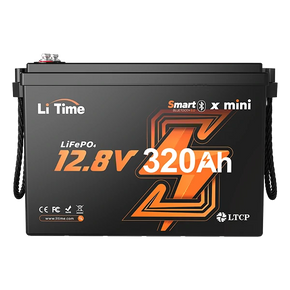
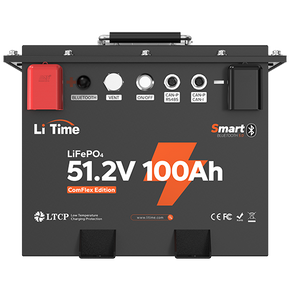
Battery Bank - This stores the DC electricity produced by the solar panels for later use, allowing you to run appliances and electronics even when the sun isn't shining.There are 4 battery types available: AGM Lead Acid, Flooded-Cell Lead Acid, and LiFePO4 Lithium batteries. To determine the number of batteries required, calculate the wattage of each appliance you plan to use and the duration of usage, then connet the batteries in parallel and series to achieve the energy you need.

- Inverter - This converts the DC electricity stored in the battery bank into AC (alternating current) electricity that can be used to power appliances and electronics (most are designed to be compatible with standard household outlets).
- Auxiliary Components - These include fuses and wires that connect the various components of the system to ensure safe and efficient operation.
How to Hook up Solar Panels to RV Batteries?
To successfully connect your RV solar panels to your batteries, follow these steps:
Step 1: Mount the solar panels in a location that maximizes sunlight exposure. You can choose to have them installed on the RV roof or use a portable solar panel kit.
Step 2: Install the charge controller near your RV's batteries, ensuring that it is as close as possible to them.
Step 3: Run the wiring from the solar panels into the RV and to the charge controller. If the refrigerator vent or plumbing entry holes are situated near your batteries, use them as entry points for the wires. Otherwise, you can drill a hole in the RV's roof, making sure to adequately cover and caulk the holes. Also, ensure that you have a fuse or circuit breaker installed on the wires for this run.
Step 4: Connect the charge controller's wires to your battery bank. Make sure to attach a fuse that is slightly larger than the charge controller's rated current to these wires.
Step 5: Prior to connecting the RV solar panels to the charge controller, verify that all wires' polarity (negative and positive) is correct. Once you are confident, plug-in the solar panels into the charge controller. We advise doing this at night or covering the panels with a blanket to prevent a potential spark.
Step 6: If necessary, mount an inverter inside the RV, close to the batteries.
Read More: The Ultimate RV Inverter Installation Guide
Make sure to run appropriate wiring to the inverter so that you can utilize 120-volt AC appliances. Positioning the inverter as close as possible to the batteries reduces the voltage drop over the circuit, which in turn minimizes power loss and overheating. Consider using a pure sine wave inverter as it produces cleaner power compared to modified sine wave inverters, making it suitable for sensitive electronics like laptops and TVs. Remember to fuse both the positive and negative DC wires entering and leaving the inverter with the correct size fuse or circuit breaker as specified by the manufacturer.
By following these steps and using quality components, you can successfully connect your RV solar panels to your batteries and enjoy the benefits of solar power on the road. It may take some initial effort, but once set up, your RV solar power system will provide efficient and sustainable power, allowing you to explore with peace of mind and independence.
How to Wire Solar Panel to Existing Battery System?
Check Your Existing Battery System Before Wiring
Before adding solar panels, first verify that your existing battery system and charging equipment can safely support the new solar input.
Start by confirming the basic battery specifications, including the system voltage (12V, 24V, or 48V), battery chemistry such as LiFePO4, AGM, or lead-acid, the manufacturer's recommended charging voltage, and the maximum allowable charging current.
Next, check the specifications of your existing solar charge controller. Pay particular attention to its maximum PV open-circuit voltage (Voc) and maximum charging output current. The total Voc of the solar array must remain below the controller's maximum PV input voltage, with sufficient safety margin because solar panel Voc can increase in cold temperatures.
You should also calculate the maximum charging current that may come from all charging sources operating at the same time, including the solar charge controller, DC-DC charger, shore-power charger, and generator-powered charger. The combined charging current must not exceed the battery or BMS maximum continuous charge current.
If you are expanding an existing solar array, try to use panels with similar electrical characteristics, especially Voc, Vmp, Isc, and Imp. Large differences between panels can reduce overall system performance when they are connected in series or parallel.
Finally, confirm that the existing cables, fuses, breakers, and connectors are properly rated for the upgraded solar system. Cable size should be selected according to maximum current and cable length to minimize voltage drop and prevent overheating. For RV installations, also check available roof space and consider possible shading from air conditioners, skylights, vents, or trees.
Follow the Correct Wiring Sequence
The basic system layout should be:
Solar Panels → Solar Charge Controller → Existing Battery Bank
For safe installation, follow the correct connection sequence.
1. Cover the solar panels or otherwise prevent them from producing power while making the initial connections. Connect the panels in the planned series or parallel configuration using suitable solar-rated connectors such as MC4 connectors.
2. the PV cables from the solar array to the solar charge controller. Install appropriately rated PV-side fuses or circuit breakers where required.
3. Connect the solar charge controller to the existing battery bank before connecting the solar panels to the controller. Always observe correct polarity: positive to positive and negative to negative. Install a properly rated fuse or breaker close to the battery bank.
4. Once the battery-to-controller connection is secure, connect the solar array cables to the controller's PV input terminals.
5. Uncover the solar panels and power up the system. Configure the charge controller for the correct battery chemistry and set the charging parameters according to the battery manufacturer's recommendations.
6. Verify that the system is charging correctly and confirm that the combined output from the solar controller and any other active chargers remains within the battery's maximum allowable charging current.
FAQs about Connecting Solar Panel to RV Battery
How Many Solar Panels Do I Need to Run an RV?
The number of solar panels you need depends on your RV’s daily energy consumption, available sunlight, and the wattage of each panel. For light RV use, 200–400W of solar may be enough, while larger off-grid systems may require 600–1,000W or more. Instead of choosing panels based only on battery capacity, calculate your daily energy use and size the solar array to replace that energy during available peak sun hours.
Read More: How Many Solar Panels Do I Need for My RV?
Can I Connect a Solar Panel Directly to an RV Battery?
No, in most RV solar systems, you should not connect a solar panel directly to the battery. Solar panel voltage and current vary with sunlight and may exceed the battery’s proper charging requirements. A compatible solar charge controller should be installed between the solar panels and the RV battery to regulate charging voltage and current, prevent overcharging, and provide the correct charging profile for the battery.
How to Connect a Solar Panel to a Battery Without a Controller?
Connecting a standard solar panel directly to an RV battery without a charge controller is not recommended. Without proper regulation, the battery may be exposed to unsuitable charging voltage or current, increasing the risk of overcharging and battery damage. The safer setup is always:
Solar Panel → Solar Charge Controller → RV Battery
If space or installation complexity is a concern, choose a compact MPPT or PWM controller that is compatible with your solar array and battery chemistry rather than bypassing the controller.
Conclusion
In addition to the steps outlined above, it's important to regularly monitor and maintain your RV solar system to ensure optimal performance. This includes regularly checking the system's voltage levels, cleaning the solar panels, and replacing any faulty components in a timely manner.
You may also want to consider adding a battery monitor that provides you with real-time information about your battery's level of charge and health, allowing you to make informed decisions about power usage and conservation. With proper maintenance and care, your RV solar system can provide you with reliable and sustainable power for years to come.
You may also like
Everything About Battery Terminal Corrosion And How LiFePO4 Batteries Can Help Prevent It
Unlock More Power - Top Tips For Expanding Your Battery Bank That’s Already In Use

