


When restoring a classic wooden motor cruiser, reliable power is not just about convenience—it is what keeps daily life onboard moving.
Peter from Travels with Jordy lives aboard two classic wooden motor cruisers, Jordy and Palm, while restoring them and preparing for future cruising adventures. During the restoration of Geordie, increasing power demands from refrigeration, tools, lighting, and onboard systems made the limitations of his existing lead-acid battery bank clear.
With several days of heavy rain approaching, Peter needed a more reliable marine battery solution that could provide more usable energy with less maintenance. That led him to upgrade Geordie’s battery system with four LiTime 12V 230Ah Bluetooth LiFePO4 Batteries.

Here is Peter’s experience upgrading his boat’s power system with LiTime.
Why I Needed a Better Marine Battery Setup
Before the upgrade, Geordie was powered by eight GC2 lead-acid batteries. They had served the boat well, but as restoration work continued, the system started showing its limitations.
Lead-acid batteries required regular maintenance and offered less usable capacity compared with lithium batteries. With refrigeration running, power tools being used, and more work happening onboard, managing energy became an ongoing concern.
With bad weather coming and limited opportunities to recharge, I knew I needed a battery system that could better support the way I actually use the boat.
I wasn’t looking for just more battery capacity—I wanted a more dependable power foundation for life onboard.
Why I Chose LiTime LiFePO4 Batteries for My Boat
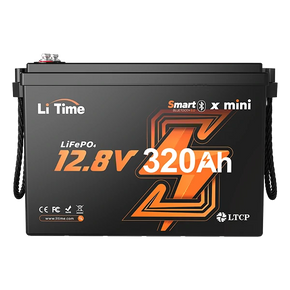
I decided to replace the old battery bank with four LiTime 12V 230Ah Bluetooth LiFePO4 Batteries.

The biggest difference was the amount of usable energy and the reduced maintenance compared with my previous lead-acid setup. The new lithium battery bank provided a larger energy reserve while fitting better into the available battery space.
Another feature I really appreciated was the built-in Bluetooth monitoring. Instead of guessing how the batteries were performing, I could check each battery’s status directly through the app and monitor their state of charge and balance.
For a cruising boat, that visibility matters. Understanding your power system gives you confidence, especially when you are far from shore.
My LiTime Battery Installation and Real-World Results
Installing the new battery system was more than simply replacing one set of batteries with another.
The four LiTime batteries were connected in parallel and integrated into the boat’s existing power system with marine-rated battery fuses and bus bars. After removing the old lead-acid batteries, I also updated the charging profile to lithium so the new battery bank could charge properly.
Before the storm arrived, I wanted to maximize every bit of available solar energy. I temporarily moved the 400W solar array from my other boat, Palm, back onto Geordie and connected it with a Victron SmartSolar charge controller.
Once everything was connected, the system immediately started producing power, reaching more than 34 amps from the solar panels.
That was the moment I knew the upgrade was working.
When the rain and strong winds arrived, the boat continued running smoothly. Refrigeration stayed powered, lights worked normally, and tools were ready whenever the weather allowed me to continue working.
Most importantly, I no longer had to constantly worry about whether my batteries would have enough power.

LiTime: Reliable LiFePO₄ Power for Every Journey
The upgraded LiTime 12V 230Ah LiFePO₄ Battery is designed for marine, RV, off-grid, and backup power applications. With 2,944Wh energy capacity, Bluetooth 5.0 monitoring, low-temperature cutoff protection, and a built-in 200A BMS with 20+ safety protections, it provides users with greater control and confidence over their energy system.
Powered by EV-grade LiFePO₄ cells, the battery supports 4,000+ cycles at 100% depth of discharge, delivering long-term performance and durability for users who need reliable power day after day. Compared with traditional lead-acid batteries, it provides higher usable energy, longer service life, and a more dependable solution for demanding applications.
Whether upgrading an existing boat battery bank or building a new marine power system, LiTime helps users spend less time managing power limitations and more time enjoying life on the water.

