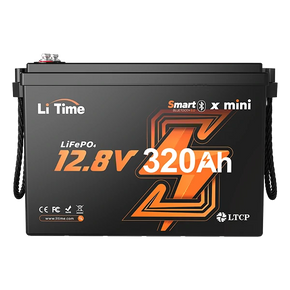


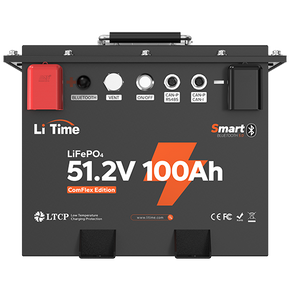

Proper marine battery maintenance is one of the easiest ways to improve your boat's reliability and extend battery life. Whether you use a flooded lead-acid, AGM, or LiFePO₄ battery, understanding the fundamentals of marine battery care is essential.
In this guide, you'll learn practical maintenance techniques for installing, charging, inspecting, cleaning, and storing your marine battery, helping you maximize its lifespan and keep your boat ready for every outing.
How to Properly Set Up a Marine Battery?
A proper marine battery setup is the first step of reliable marine battery maintenance. Boats face nonstop vibration, humidity, and saltwater exposure; loose mounting or poor positioning will crack battery casings, loosen wiring terminals, and trigger unstable power delivery.

1. Choose a Dry, Ventilated Mounting Spot & Secure Batteries
When finishing your marine battery setup, place batteries in a dry, well-ventilated compartment free of standing water. Secure each battery tightly with mounting brackets to absorb vibration from cruising waves. → Read Litime's full waterproof protection guidance.
2. Connect Cables Following Standard Polarity Rules
Always disconnect negative terminals first, then positive terminals during removal; reverse the order when installing. Torque all terminal connections tight to eliminate high-resistance hotspots that overheat wiring and disrupt power flow. Follow your battery and boat manufacturer’s official installation manuals for your marine battery setup.
3. Block Terminal Corrosion & Maintain Airflow
Salt spray in marine air quickly corrodes metal terminals, blocking electrical transfer and ruining your marine battery care efforts. Inspect connections monthly, keep terminals dry and coated with anti-corrosion grease, and never block battery ventilation vents with gear or storage bags.
How to Properly Charge and Maintain a Marine Battery?
The way you charge the marine batteries affects its performance and lifespan. Different battery types have different charging requirements. Using the wrong charger or incorrect charging settings may prevent the battery from reaching a full charge, reduce capacity, or shorten its service life.
1. Choose the Right Charger Based on Battery Type
Different types of lead-acid batteries, including flooded lead-acid, AGM, and gel batteries, as well as lithium LiFePO₄ batteries, require chargers that match their specific battery type.
For LiFePO₄ marine batteries, a dedicated LiFePO₄ charger is recommended. LiTime recommends a charging voltage of 14.2–14.6V for 12V LiFePO₄ batteries, but the exact charging requirements should always follow the battery manufacturer’s specifications.
Choosing the correct charger helps ensure a compatible charging profile and prevents issues such as incomplete charging or reduced battery performance. During charging, always maintain proper ventilation to avoid excessive heat and potential safety risks.

2. Recharge Your Battery After Every Trip
Recharging your battery promptly after each trip is an important part of proper marine battery care.
Lead-acid batteries: Avoid draining below 50% state of charge (20% minimum emergency limit)
LiFePO4 batteries: Tolerate deeper discharge down to 20% SOC; store at 50% charge for long breaks.
In addition to shore power chargers, marine batteries can also be recharged through engine alternators, DC-DC chargers, or solar systems. The best charging method depends on your specific marine battery setup.
3. Avoid Low-Temperature Charging & Wrong Voltage Settings
LiFePO₄ batteries without low-temperature charging protection or a built-in heating function should not be charged below 0°C (32°F).
Some batteries include low-temperature charging protection, but the cutoff and recovery temperatures vary by model. Always refer to the product manual for specific temperature limits.
At the same time, avoid common charging mistakes caused by incorrect settings or incompatible charging methods.
How to Inspect and Clean a Marine Battery?
Regular inspection and cleaning are essential parts of marine battery maintenance. Routine checks can help identify low voltage, corrosion, physical damage, and other potential issues before they affect battery performance or boating safety.
1. Regular Battery Charge Check
It is recommended that boat owners perform a battery charge check once a month. Use a multimeter to measure the battery’s resting voltage (after disconnecting all loads and chargers for at least 30 minutes).
Different battery types have different low-voltage standards:
● Lead-acid battery (12V): When the resting voltage drops below 11.8V–12.0V, recharge the battery promptly. A voltage below 10V indicates a deep discharge, which may have already caused plate damage.
For flooded lead-acid batteries, regularly check the electrolyte level and keep it between the upper and lower markings.
● LiFePO₄ battery (12V): When the resting voltage drops below 10V, the battery is considered fully discharged and should be charged immediately.
2. Battery Cleaning and Maintenance
Salt spray, dust, and debris can easily accumulate on the battery case and terminals, causing current leakage, corrosion, and other failures. As part of proper marine battery care, a complete cleaning should be performed once a month.
- Check the battery case for cracks, leaks, or swelling, and inspect the terminal bolts for looseness. If any abnormal conditions are found, stop using the battery immediately and repair or replace it before operation.
- Disconnect the battery from the boat’s electrical system before cleaning to ensure safe operation.
- Use a dry, soft cloth to clean dirt and residue from the battery surface. If white or green corrosion crystals appear on the terminals, clean them with a baking soda and water solution or a dedicated battery cleaner. After cleaning, allow the battery to dry completely and reapply anti-corrosion grease to protect the terminals.
How to Store and Maintain a Marine Battery Long-Term?
When a boat is stored for an extended period or during the winter off-season, the way the battery is stored directly affects its condition when used again next year and the battery's whole lifespan.
First, thoroughly clean the battery surface and disconnect external wiring to prevent external devices from continuously draining power. Then, store the battery in a dry, well-ventilated, and shaded indoor environment. The marine battery storage temperature should remain between 50–95°F.
1. Can Marine Batteries Stay on a Boat During Winter?
Marine batteries do not always need to be removed from the boat. Whether they can remain onboard during winter depends on whether the boat compartment stays dry, whether the battery can be completely disconnected from loads, the local minimum temperature, and the storage requirements specified by the battery manufacturer.
If the boat compartment has standing water, continuous salt spray exposure, extreme cold temperatures, or unavoidable parasitic loads, it is recommended to remove the battery and move it to a more suitable storage environment.
2. How to Store Lead-Acid and LiFePO₄ Batteries?
During long-term storage, never place batteries directly on the deck or in damp compartments. Avoid continuous exposure to salt spray and moisture, which can corrode the battery housing and internal plates.
Lead-acid batteries: Lead-acid batteries have a higher self-discharge rate. Before long-term storage, fully charge the battery first. Then recharge it every 1–3 months to maintain above 70% charge and prevent sulfation caused by low battery levels.
LiFePO₄ batteries: LiFePO₄ batteries have a low self-discharge rate. It is recommended to recharge the battery every 3 months and maintain approximately 50% charge during storage.
Conclusion
The performance and lifespan of a marine battery largely depend on proper maintenance. Correct installation, proper charging, regular inspection, and proper storage are essential to prevent low voltage, corrosion, and performance loss.
For boat owners, developing simple and consistent maintenance habits can reduce the risk of unexpected power failures, improve the reliability of the boat’s electrical system, and lower long-term replacement and maintenance costs.
Whether you are using a lead-acid battery or a LiFePO₄ lithium battery, proper marine battery maintenance and marine battery care can help maintain stable performance and provide more confidence on every trip.
FAQs About Marine Battery Maintenance
Q1: Can a marine battery be stored fully charged for a long time?
Lead-acid batteries can be stored fully charged. Before long-term storage, fully charge the battery and recharge regularly to keep it above 70% to prevent sulfation.
LiFePO₄ batteries are not recommended for long-term storage at 100% charge. Keep them around 50% charge and recharge every 3 months.
Q2: Can I still use a marine battery with corroded terminals?
Remain using under minor corrosion and replace under severe corrosion. Minor corrosion can be cleaned and protected with anti-corrosion treatment. If there is severe corrosion, damaged terminals, leakage, or a swollen battery case, replace the battery immediately.
Q3: Can I use the same charger for different marine battery types?
No. Lead-acid, AGM, gel, and lithium batteries require different charging voltages and charging profiles. Using the wrong charger may cause overcharging or undercharging and reduce battery performance.
Q4: Do marine batteries need to be installed in a battery box?
Not always. However, the battery must be securely mounted and protected from terminal short circuits. For wet, high-impact, or saltwater-exposed locations, a battery box provides additional protection.
Q5: Do LiFePO₄ marine batteries require regular maintenance?
LiFePO₄ batteries do not require electrolyte refilling and require very little daily maintenance.

