


We are Enrique and Sarah. For five years, we’ve been sailing around the world, crossing oceans and covering more than 26,000 nautical miles. Our AGM batteries had carried us a long way, but power was always something we had to carefully manage.
During our Atlantic crossing, we often had to run the engine just to keep the autopilot going. After dark, life on board became even more limited—less lighting, less comfort, and a constant need to think about what we could or couldn’t use.
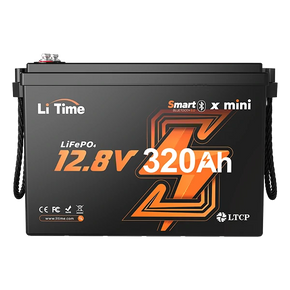
This time, we wanted to change that. So we upgraded to three LiTime 12V 300Ah LiFePO4 lithium batteries, creating a 900Ah lithium house bank for the boat.

Why We Decided to Make the Switch
The biggest difference between AGM and lithium is not just capacity. It is usable power.
With AGM batteries, we could only safely use about half of the rated capacity if we wanted them to last. Lithium gave us a very different kind of freedom: more usable energy, longer cycle life, and a power system that better matched the way we actually live while sailing.
Safety was also a major part of the decision. Before the installation, we spent a lot of time researching lithium batteries. LiTime uses LiFePO4 chemistry, Grade A cells, and built-in BMS protection. Each battery has its own battery management system to help protect against overcharging, over-discharging, low-temperature cutoff, and other operating risks.
For us, that mattered. On a boat, a battery is not just another piece of equipment. It is part of the system that keeps life moving safely.
Read More: AGM vs. Lithium Batteries: Which is Better for Marine
Installing 900Ah of Power on a Cruising Boat
This was not a simple “take the old batteries out and drop the new ones in” kind of project.
Installing three LiTime 12V 300Ah LiFePO4 lithium batteries required much more planning than a standard battery replacement. We had to map the available space, prepare equal-length cables, connect the batteries in parallel, and make sure all three batteries were properly balanced before installation. We also upgraded key parts of the system, including bus bars, marine-rated fuses, a Class T fuse, and a DC-to-DC charger so the alternator could safely charge the new lithium bank.
It took several days of work, a lot of research, and plenty of patience. But that is part of cruising life. When you are far from shore, you need to understand your own boat. If something breaks halfway around the world, you may not be able to find a specialist—you need to know how your system works.

The First Night with Real Power
After days of installation, the moment finally came to turn everything on.
The boat was messy, tools were everywhere, and we were exhausted. Then the lights came on.
That night, the difference was immediate. We could run the water maker, Starlink, and lights at the same time. For us, that was a life changer. It was not just about having more battery capacity. It was about finally having a system that supported the way we live on board.
Instead of constantly deciding what to turn off next, we could make water, stay connected, keep the lights on, and enjoy the boat after dark.

With LiTime behind us, we can spend less time managing limits and more time living the journey—exploring new places, staying longer, and feeling more confident wherever the wind takes us.

