


A good power cut survival kit is not about buying every gadget on the shelf. It is about keeping your household safe, hydrated, fed, informed, warm or cool enough, and able to handle basic medical and hygiene needs when the lights go out. Use this guide to build a practical power outage emergency kit for short blackouts, multi-day outages, and longer disruptions without wasting space on items you will never use.
- When and Where Do Power Outages Happen Most Often in the US?
- What Should a Power Outage Survival Kit Include?
- What emergency Kit Do You Need for Different Outage Lengths?
- Do You Need Backup Power for a Long-Term Power Outage?
- What Should Be in a Winter Power Cut Survival Kit?
- How Should You Store and Prepare Your Power Cut Survival Kit?
When and Where Do Power Outages Happen Most Often in the US?
Power outages can happen anywhere in the US, but weather is one of the biggest drivers of major disruptions, especially in regions exposed to hurricanes, severe thunderstorms, winter storms, extreme heat, and wildfire conditions.
Climate Central’s analysis of weather-related outages from 2000 to 2023 found the highest regional totals in the Southeast, South, Northeast, and Ohio Valley, while the Department of Energy notes that extreme weather is a leading cause of major outage events. That means your power outage survival kit should be shaped by local risk: heat and hurricanes in some areas, ice and snow in others, and wildfire-related shutoffs in parts of the West.
Most households do not need a bunker-style setup. They need enough power outage essentials to bridge the first 72 hours, plus a plan for food safety, communication, medication, and backup charging. If your area has repeated multi-day blackouts, medical devices, infants, older adults, pets, or extreme temperatures, build beyond the basics.

What Should a Power Outage Survival Kit Include?
A power outage survival kit should include water, shelf-stable food, lighting, communication tools, first aid, medications, hygiene supplies, sanitation items, backup charging, cash, documents, and comfort items. Start with a three-day supply, then expand based on your household size, climate, health needs, and whether you may need to leave home.
Think in layers. The first layer keeps everyone safe for the first few hours. The second keeps you functional for three days. The third helps you manage a longer outage when stores, gas stations, cell networks, or water systems may be strained.
What Are the Basic Power Outage Essentials?
The basic power outage essentials are the items you will reach for immediately: water, food, light, information, medical supplies, and a way to charge small devices. Storing one gallon of water per person per day for at least three days, and that estimate should increase for hot weather, pets, nursing parents, children, or anyone with medical needs.
Build your core survival gear list kits around practical items your household already understands how to use:
- Water: At least three days of drinking and basic hygiene water, plus extra for pets or heat.
- Food: Canned meats, beans, soups, nut butters, crackers, protein bars, nuts, dried fruit, shelf-stable milk, and foods your household actually eats.
- Manual can opener: Easy to forget, impossible to replace when all your emergency food is canned.
- Lighting: Flashlights, headlamps, lanterns, and spare batteries. Headlamps are especially useful because they keep both hands free.
- Communication: Battery-powered or hand-crank radio, NOAA weather radio if possible, written emergency contacts, and local utility outage information printed in advance.
- First aid: Bandages, antiseptic wipes, gauze, gloves, pain relievers, fever reducers, and any household-specific supplies.
- Medication: A current list of prescriptions, dosing information, and a plan for temperature-sensitive medicine.
- Charging: Power banks for phones, charging cables, car adapters, and a small solar charger if it makes sense for your climate.
- Sanitation: Trash bags, wipes, hand sanitizer, toilet paper, feminine hygiene products, diapers if needed, and disinfecting supplies.
- Tools: Multi-tool, duct tape, work gloves, wrench or pliers, whistle, matches or lighter in a waterproof container, and a fire extinguisher.
- Money and documents: Small cash bills, copies of IDs, insurance information, medical notes, and emergency contact numbers.
Avoid relying on candles as your main light source. Battery-powered lights are safer, easier to place around the home, and better for households with children, pets, or limited mobility.
What Extra Supplies Does Your Household Need?
After the basics, customize your power cut survival kit around the people in your home. A healthy adult living alone has different needs from a family with toddlers, a household with refrigerated medication, or a person using powered medical equipment. The right kit is personal, not generic.
Add supplies for likely scenarios:
- Infants and children: Formula, baby food, diapers, wipes, comfort items, extra clothes, quiet activities, and child-safe lighting.
- Older adults: Mobility aids, spare glasses, hearing aid batteries, written medication schedules, and easy-open foods.
- Medical needs: Backup power for devices, cooler and thermometer for medicine, paper copies of care instructions, and emergency provider contacts.
- Pets: Food, water, leash, carrier, waste bags, litter, medication, vaccination records, and familiar bedding.
- Apartments: Compact lanterns, shelf-stable meals, power banks, water containers, and a plan for elevators or secured building access.
- Rural homes: More water, fuel planning, generator safety gear, road-clearing tools where appropriate, and extra communication options.
Do not forget morale. A deck of cards, puzzle book, downloaded music, paper books, or simple board games can make a long evening feel less stressful, especially for children.
What emergency Kit Do You Need for Different Outage Lengths?
The emergency kit you need depends on whether the outage lasts a few hours, three days, or a week. A short blackout is mostly about light, phone charging, and avoiding food spoilage; a three-day outage requires full household supplies; a longer outage demands stronger water, sanitation, heating or cooling, and backup power planning.
| Outage length | What to prioritize | Practical example |
|---|---|---|
| 0–12 hours | Flashlights, phone power, radio, snacks, closed fridge doors | Keep devices charged, avoid opening the refrigerator, and use lanterns instead of candles. |
| 1–3 days | Water, no-cook food, first aid, hygiene, medication, communication | Use your 72-hour power outage emergency kit and check on neighbors or relatives. |
| 4–7 days | Larger water supply, cooler strategy, sanitation setup, backup power, extra batteries | Run essential devices from a properly sized power station or safely operated generator. |
| More than a week | Water filtration, fuel planning, waste disposal, solar charging, community resources | Coordinate with local alerts, shelters, family, and utility updates. |
Food safety becomes a major issue after the first few hours. USDA guidance says a refrigerator can keep food safely cold for about four hours if the door remains closed; a full freezer can hold temperature for about 48 hours, or about 24 hours if half full. Use appliance thermometers and discard perishable food that has been above 40°F for more than two hours rather than trusting smell or appearance.
To stretch food safely, freeze gel packs ahead of storm season, keep coolers ready, group freezer items together, and move priority foods to a cooler only when needed. A food thermometer is a small item with a big payoff because it helps you make decisions instead of guessing.
Do You Need Backup Power for a Long-Term Power Outage?
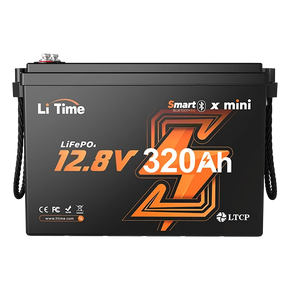
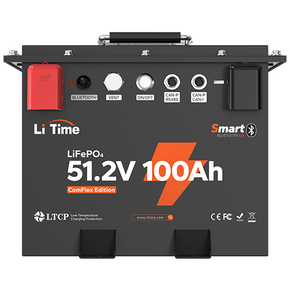
You need backup power for a long-term power outage if your household depends on phones, medical devices, refrigerated medicine, internet equipment, sump pumps, fans, heat-related safety devices, or work communication. For some homes, a few power banks are enough. For others, a power station or generator becomes part of the safety plan.
Why Is Backup Power Important During a Long Outage?
Backup power matters because communication, health, temperature control, and food safety can all depend on electricity. Phones need charging for emergency alerts. Medical devices may need steady power. In summer, fans and hydration reminders matter; in winter, safe heating plans and communication can become urgent.
Prepare for a Long-Term Power Outage - LiTime Lares
LiTime Lares Plug-In Home Backup is designed to keep essential household spaces powered when the grid goes down, helping support daily needs such as kitchen appliances, lighting, device charging, Wi-Fi, and home-office equipment.
Instead of relying only on power banks or waiting for utility service to return, LiTime Lares gives households a more practical way to maintain comfort, communication, and essential routines during an extended outage.

What Should Be in a Winter Power Cut Survival Kit?
A winter power cut survival kit should help you stay warm safely, prevent frozen pipes where possible, communicate during storms, and avoid carbon monoxide hazards. Winter outages can become dangerous quickly because darkness, ice, blocked roads, and indoor temperature drops often happen together.
Add these winter-specific supplies to your standard kit:
- Warm blankets, sleeping bags, thermal base layers, wool socks, hats, and gloves.
- Hand warmers and extra clothing stored in waterproof bags.
- Battery lanterns for long winter nights.
- Snow shovel, ice melt, traction aids, and car emergency supplies.
- Battery-powered CO detectors or backup batteries for existing detectors.
- Safe cooking plan that does not rely on indoor grills, camp stoves, or gas ovens for heat.
- Pipe protection supplies such as insulation, faucet covers, and instructions for shutting off water if needed.
- Hot drink packets, easy meals, and extra water because melting snow is not a reliable primary water plan.
The CDC warns against using gas ranges or ovens to heat a home and recommends seeking a safer shelter if indoor temperatures become too hot or too cold. If anyone shows signs of carbon monoxide poisoning, such as headache, dizziness, weakness, nausea, chest pain, confusion, or loss of consciousness, get fresh air and call emergency services immediately.
How Should You Store and Prepare Your Power Cut Survival Kit?
Store your power cut survival kit where you can reach it quickly in the dark, not buried behind holiday bins or locked in a shed you cannot safely access. A good setup includes one main home kit, a smaller car kit, and a compact work or go-bag layer if you commute.
Use clear bins, waterproof pouches, and labels. Put flashlights near beds, the kitchen, and the main exit. Keep water low and stable so containers do not fall. Store documents and medications in easy-grab pouches, and keep charging cables with the power devices they belong to.
Use this maintenance checklist twice a year:
- Rotate food and water. Replace anything expired, damaged, leaking, or no longer suitable for your household.
- Test every light. Confirm flashlights, lanterns, and headlamps work, then replace weak batteries.
- Recharge power banks and stations. Put recurring reminders on your calendar.
- Update documents. Refresh medication lists, contacts, insurance information, and pet records.
- Check sizes and needs. Children outgrow clothes, prescriptions change, and pets may need different food or medicine.
- Review safety plans. Make sure everyone knows where the kit is, how to use the radio, and when to avoid unsafe food or generator use.
A ready-made kit can be a helpful shortcut, especially if you are starting from nothing. Just do not assume it covers everything. Many kits include basic food, water pouches, first aid, and tools, but you will still need household-specific medication, documents, pet supplies, chargers, weather gear, and food you will actually eat.
The best blackout preparation is boring in the best way: easy to find, easy to use, and checked before you need it. Build your kit around real risks, real people, and realistic outage lengths. When the power goes out, you will not be trying to improvise in the dark—you will already know what to do next.

